
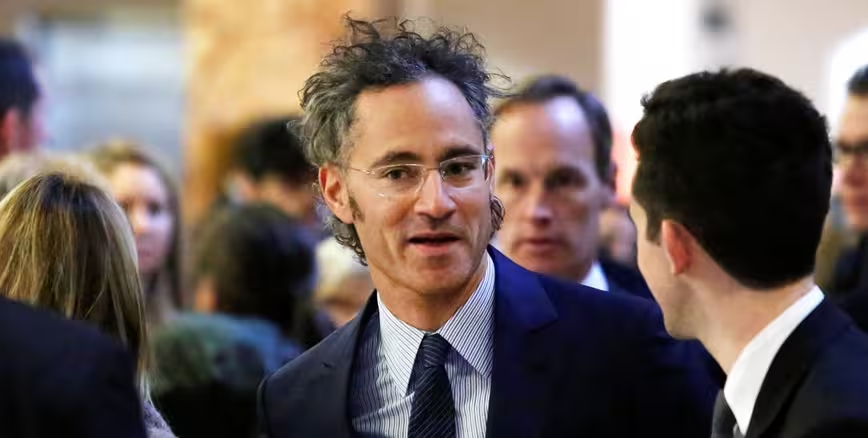
The CEO of America’s most powerful surveillance company spent $200 million on places nobody can find him
THE SO WHAT
A surveillance CEO spending $200 million on ultra-secluded real estate is a stark illustration of the privacy asymmetry between data collectors and everyone else. Expect renewed scrutiny on how much personal exposure senior leaders are willing to tolerate from their own products and data practices.
READ THE SOURCE
MORE FROM THE WIRE
 Tech & Innovation
Jeff Bezos’ Blue Origin Runs on Sycophancy to Trump
Space and defense vendors are now navigating openly personalized politics as part of their go-to-market. If your revenue depends on federal contracts, your risk map has to include leadership-level signaling, not just compliance and performance.
 Tech & Innovation
How to photograph fireworks: my 5 expert tips for getting your best shots on the landmark 250th Independence Day
Consumer camera UX is now good enough that technique, not hardware, is the constraint on “wow” shots. If you’re building imaging products, assume users will seek lightweight, contextual coaching at the moment of capture, not in a manual.
 Tech & Innovation
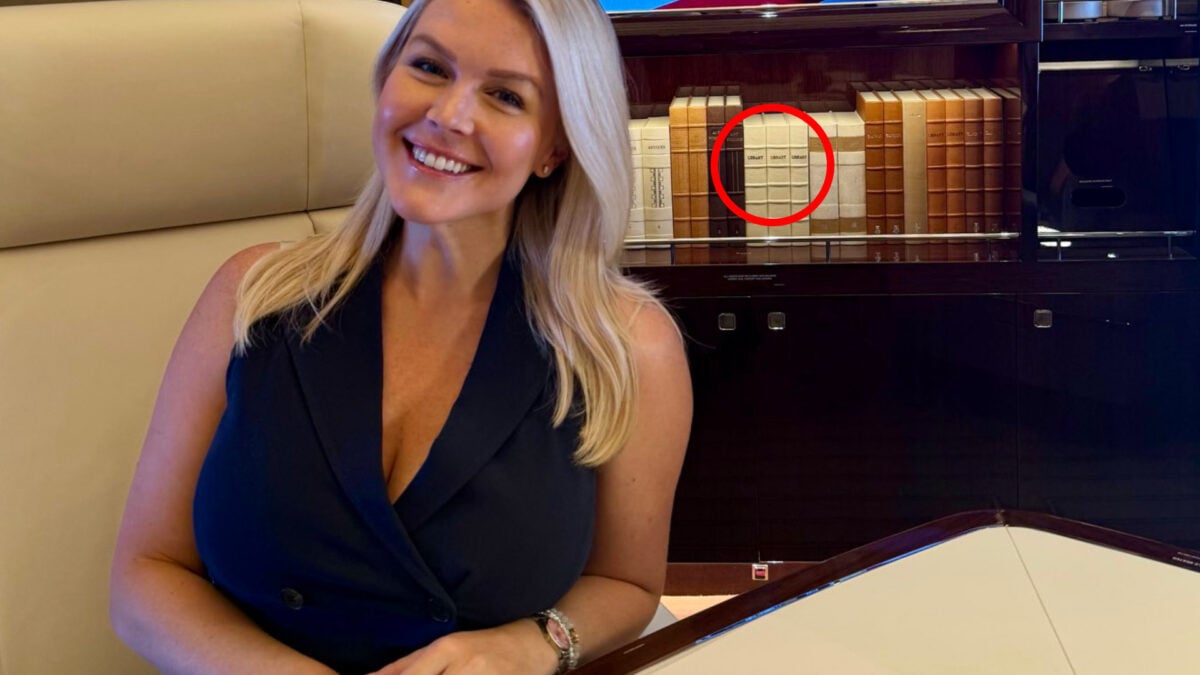
Are Those Fake Books on the New Air Force One AI-Generated?
When even Air Force One’s bookshelf becomes an AI-forensics story, provenance is now a mainstream expectation, not a niche concern. Brands and institutions should assume any visual they publish will be interrogated for authenticity and be ready with an audit trail.
 Tech & Innovation
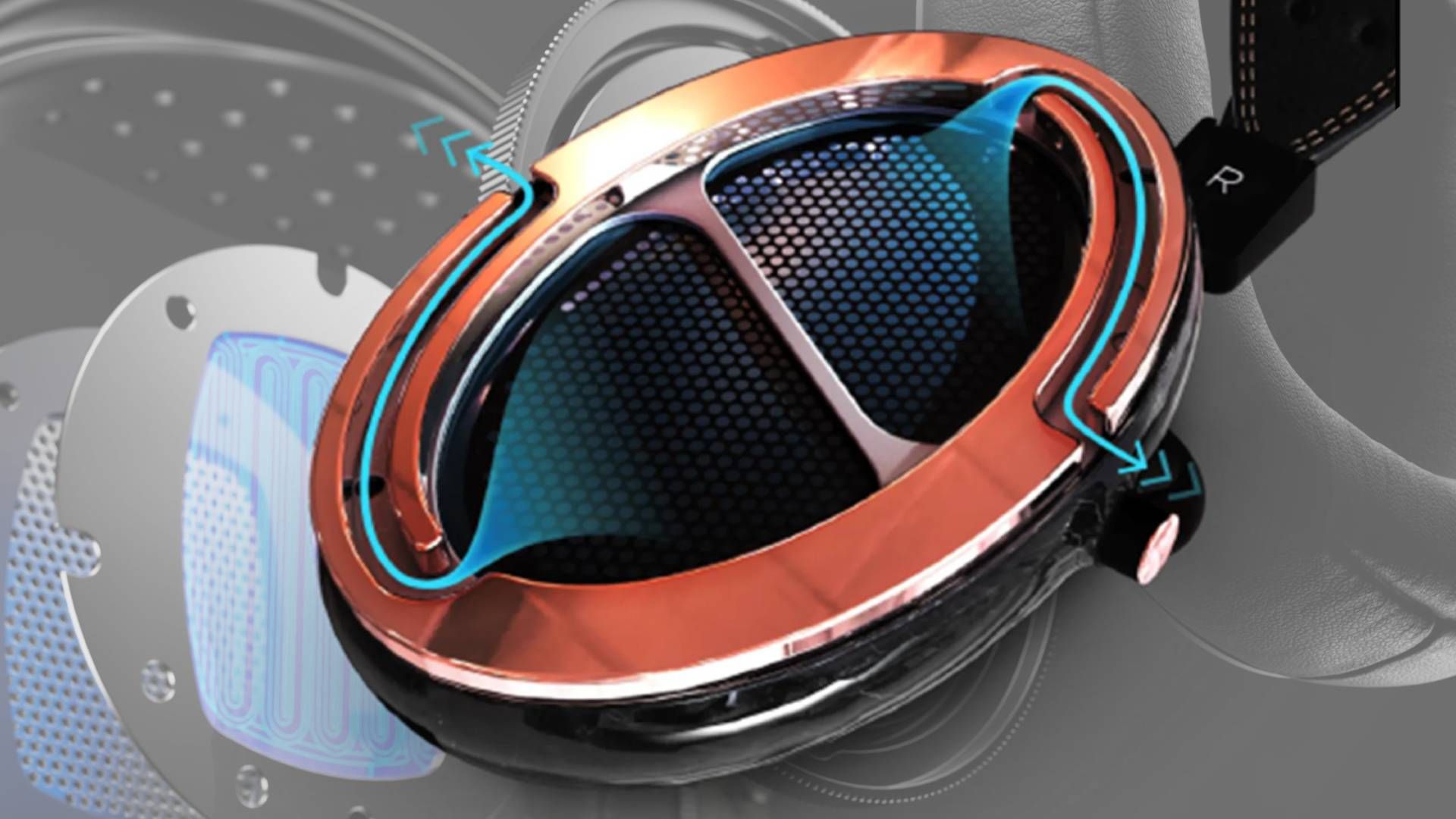
'We can tune the bass to get more output, pretty much for free': I asked audio specialist Audeze about its patented SLAM system for headphones, and the slam-dunks kept a-coming
Audeze’s SLAM story is a reminder that proprietary signal-processing IP can still differentiate in a world obsessed with software and AI. Hardware and device teams should be looking for similar narrow, defensible performance tricks rather than assuming commodity components are “good enough.”