
The data storage crisis has a biological fix. It starts by making less DNA, not more.
THE SO WHAT
The pitch that most data is cold but can’t be deleted is driving interest in DNA storage—but the real innovation here is reusable biological templates, not just denser media. If you’re running at petabyte scale, start tracking DNA and other archival alternatives now, because tape refresh cycles and power costs are about to look worse on a 10-year horizon.
READ THE SOURCE
MORE FROM THE WIRE
 Deep & Emerging Tech
Clarity Failure A Win For Communities: Romero Rainey
With the Clarity Act failing, stablecoin yield products stay outside a clear US regulatory perimeter, which community banks see as a reprieve. For fintech and DeFi operators, the window for regulatory arbitrage remains open—but so does the risk that the next bill comes with a harder swing.
 Deep & Emerging Tech
Qualcomm Takes on the iPhone 18 Pro With Its Most ‘Extreme’ Chip Yet
Qualcomm’s Snapdragon 8 Elite Gen 6—described as “extreme” and no longer even the flagship—shows how fast the mobile silicon ladder is being climbed to support heavier AI. Expect a widening gap between apps that exploit these NPU gains and those that still assume cloud-first inference.
Deep & Emerging TechWe Want This Country to Win Tokenization: SEC's Selway
The SEC greenlighting trading of digital versions of securities while crypto legislation stalls is a clear signal: tokenization of real assets is moving ahead even as pure-crypto policy lags. If you’re in capital markets infra, you now have regulatory cover to explore token rails for traditional products.
 Deep & Emerging Tech
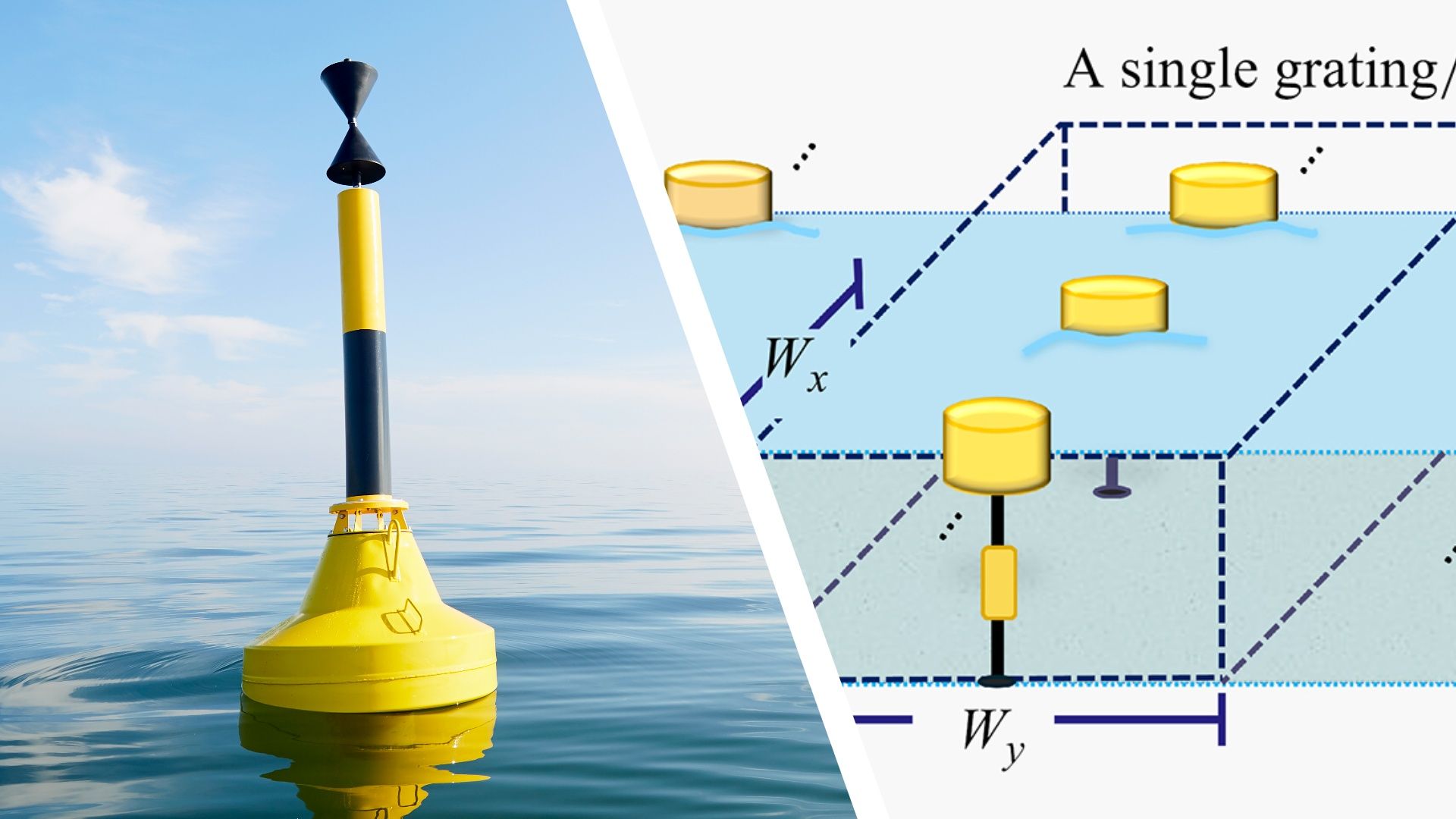
Researchers say fields of house-sized buoys capture 90% of wave energy
A theoretical design claiming up to 90% wave energy capture with house-sized buoys hints at ocean power as a serious baseload candidate, not just a niche. Energy planners should treat this as an R&D watch item—if prototypes validate, coastal grids and data centers get a new siting variable.