

The first images of Meta's Project Phoenix mixed reality headset have leaked — and there's a reason it's so thin and light
THE SO WHAT
A mixed reality headset that looks like smart glasses is a bet that form factor — not just field of view or resolution — is the adoption gate. If you’re building for spatial interfaces, assume the winning hardware will be worn in public and design interaction models that work in that social context, not just in the living room.
READ THE SOURCE
MORE FROM THE WIRE
 Tech & Innovation
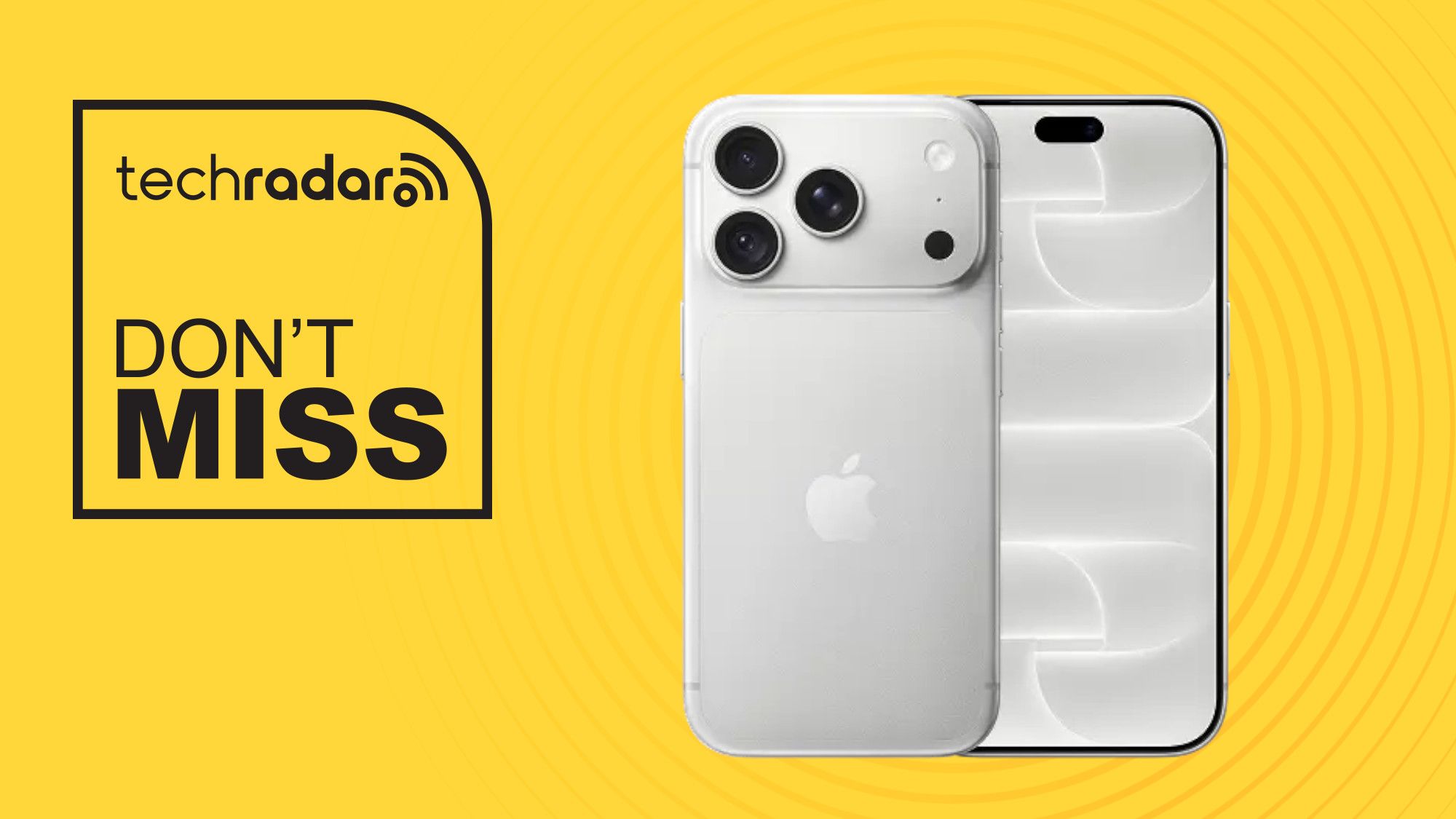
Verizon launches iPhone 18 Pro preorders with two ways to save — get a device included, plus an Apple Watch AND iPad
Carrier bundles that throw in phones, watches, and tablets are a reminder that hardware margins are being traded for lock-in. If your product depends on premium iOS users, watch how these bundles reshape upgrade cycles and multi-device usage patterns.
 Tech & Innovation
LG's denial over TV spying claims ‘does not address the full privacy picture’, experts say — after report accuses it of making ‘216,000,000 spy TVs’
The debate over whether 216M TVs are "spy devices" shows how thin the line is between telemetry and surveillance in connected hardware. If you ship consumer devices with data collection, assume regulators and class-action lawyers will treat "standard industry practice" as a starting point for scrutiny, not a defense.
 Tech & Innovation
iPhone 18 Pro preorders are officially live: Everything to know before buying
Each iPhone cycle is now also a distribution reset for on-device AI and sensor capabilities. If your product depends on mobile capture or inference, assume your median user’s hardware just upgraded and revisit what you can do locally versus in the cloud.
 Tech & Innovation
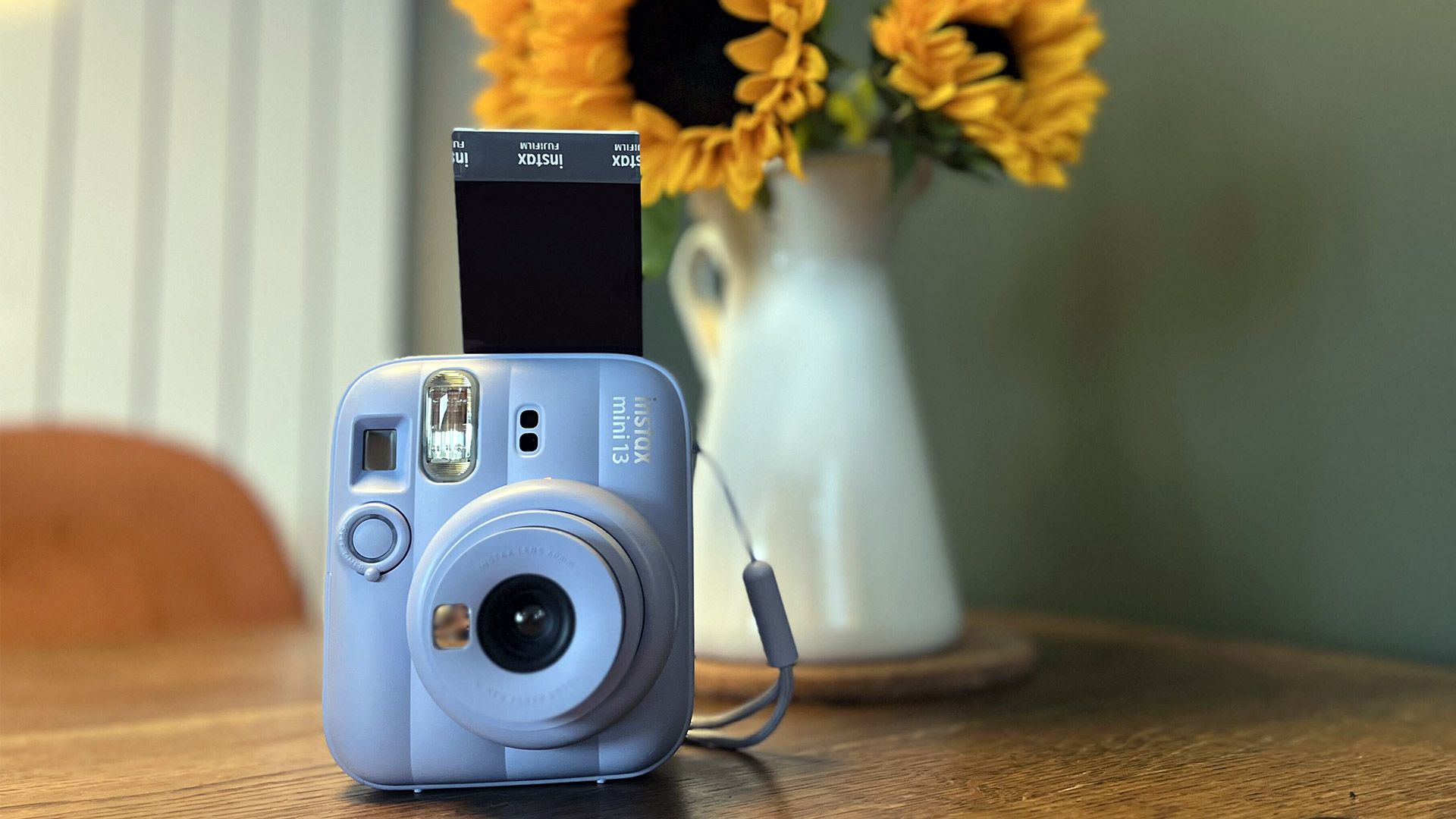
The Instax Mini 13 was made for taking selfies — and my friends have never been happier with the instant memories I've captured
Fujifilm pushing a self-timer and angle adjuster into a 2026 entry-level Instax is a reminder that even low-tech hardware gets re-anchored around front-facing capture. If you build consumer hardware or apps, assume “self-documentation” is the default use case and design ergonomics, UX, and accessories around that, not as an afterthought.