

The Invisible Graph: How Companies Grow Revenue And Still Lose Value
THE SO WHAT
Growing revenue into a falling multiple is how founders wake up with a bigger business and a smaller exit—valuation is a function of timing, not just ARR. Boards should explicitly model “hold vs. sell” scenarios under different multiple regimes instead of assuming growth alone will rescue enterprise value.
READ THE SOURCE
MORE FROM THE WIRE
 Startups & Venture
Foundry, a manufacturing-as-a-service startup that builds factories with robots powered by physical AI models, raised a $100M Series A led by Marlinspike
$100M into ‘factories as code’ is a bet that physical AI plus robots can turn manufacturing capacity into a cloud-like service. If you rely on contract manufacturing, start mapping which SKUs or processes could move to autonomous lines—your next supply-chain advantage may come from API calls, not geography.
 Startups & Venture
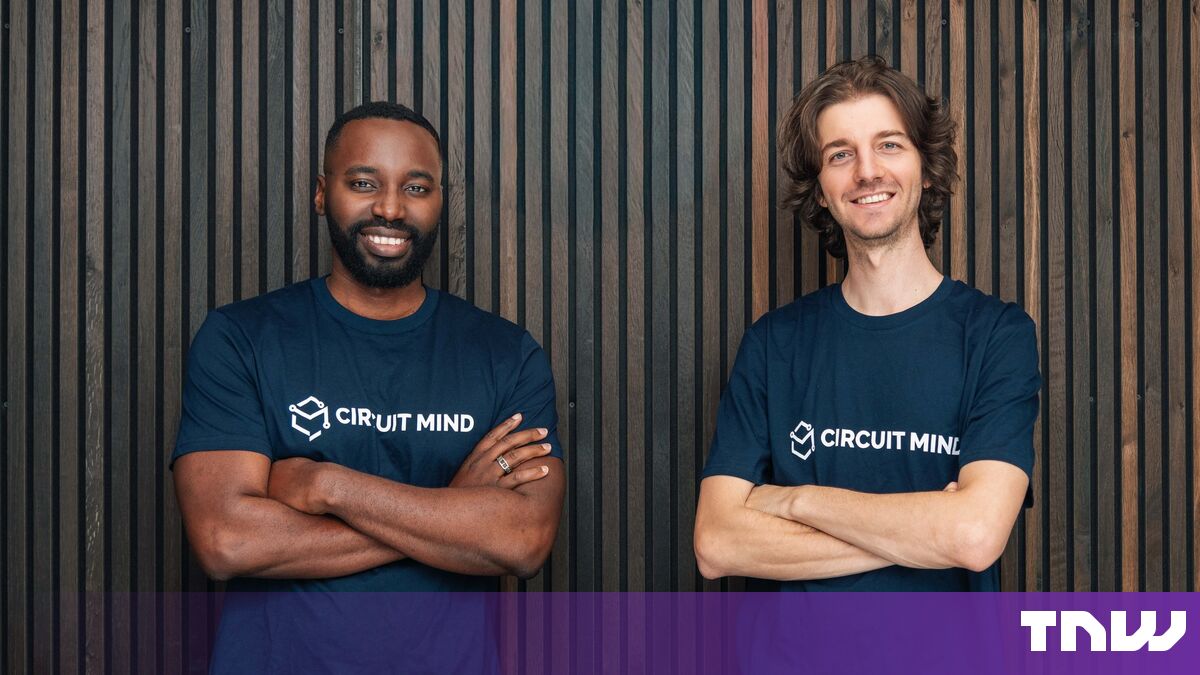
Circuit Mind raises $25m to design circuit boards with AI
Circuit Mind’s $25M raise to automate PCB design is another step in AI compressing hardware design cycles—EDA is becoming as agentic as software IDEs. Hardware teams should pilot these tools on low-risk boards now, because the competitive gap will come from who can iterate more designs per engineer per quarter.
 Startups & Venture
From Monk To Startups: One Founder’s Unusual Path To Building Government Software
The interesting part isn’t the monk‑to‑founder arc—it’s that a small team is targeting unsexy government workflows like school food services and records with AI. For founders, this is a reminder that durable AI businesses may come from boring, regulated process gaps rather than flashy horizontal tools.
Startups & VentureAnthropic IPO Shutout Sends Asia’s Investors Into Proxy Bets
When Asia-based capital can’t access a marquee AI IPO directly, it routes into listed shareholders, semis, and even crypto derivatives—AI exposure is becoming an asset class, not just a stock pick. If you’re building anything in the AI supply chain, expect more capital interest and more correlation to lab sentiment than your fundamentals alone.