

The Justice Department is investigating whether Nvidia structured its Groq deal to avoid antitrust review
THE SO WHAT
Regulators probing whether Nvidia’s Groq licensing deal skirted antitrust review shows AI chip dominance is now a live competition-policy target. If you’re building on a single GPU vendor, expect more scrutiny, slower deals, and potentially new constraints on exclusive arrangements over the next cycle.
READ THE SOURCE
MORE FROM THE WIRE
 Applied AI
Huawei Lifted Prices for Its Best AI Chip By 60% This Summer
AI accelerators are behaving like constrained commodities, not cloud SKUs—Huawei hiking top-end chip prices by 60% underlines how demand is overwhelming regional supply. If you’re exposed to Chinese data center capacity, lock in multi-year pricing and availability now or assume your unit economics will move against you.
 Applied AI
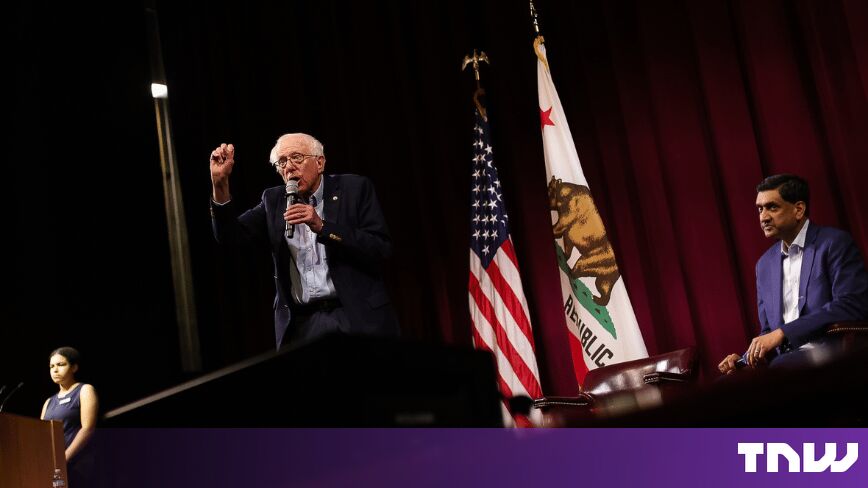
Bernie Sanders convenes a private Senate briefing on AI dangers
A closed-door Senate briefing with Hinton, Tegmark, and Cotra means frontier AI risk is now being framed for lawmakers at the existential end of the spectrum. Compliance and policy teams should assume more capability-based proposals and reporting obligations are on the table, not just narrow sectoral rules.
 Applied AI
OpenAI asks Congress for mandatory national AI safety rules before it adjourns
A major lab publicly asking Congress for mandatory, capability-based AI safety rules is an attempt to lock in a national floor on obligations before the next model wave. Enterprises deploying advanced models should expect more formal thresholds—by capability, not just parameter count—that trigger audits, disclosures, and internal governance work.
Applied AISources: Chinese AI chipmakers Huawei, Cambricon, MetaX, and Iluvatar CoreX have raised prices for current and next-gen chips by 20%-50% due to rising HBM costs
Chinese AI chipmakers lifting prices 20–50% on current and next-gen parts because of HBM shortages shows memory, not just compute, is now a primary choke point. If you’re designing or buying accelerators, optimize architectures for memory efficiency and diversify HBM supply assumptions—or your AI cost curves will surprise you.