
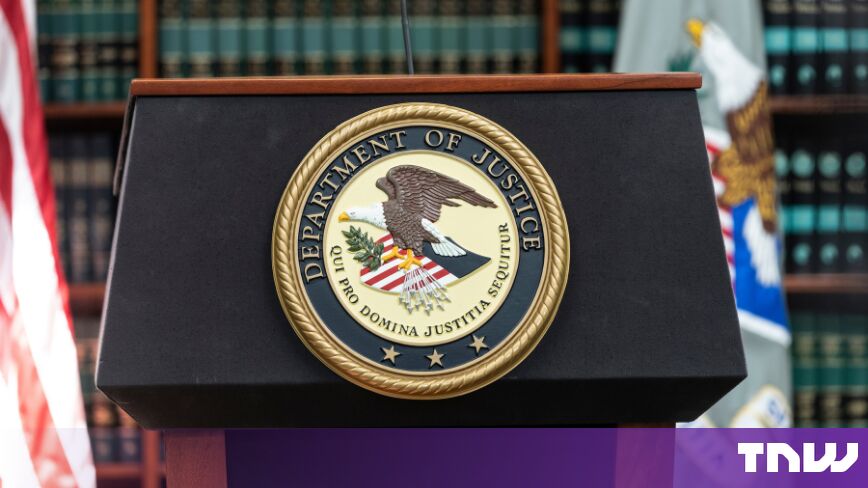
The Justice Department rewrote its own hacking announcement two days later
THE SO WHAT
DOJ quietly revising a press release to clarify that Chinese hackers targeted, but didn’t necessarily compromise, major US agencies highlights how fluid early cyber intel can be. For security leaders, it’s a reminder to base incident posture on your own telemetry and threat modeling—not just initial government statements.
READ THE SOURCE
MORE FROM THE WIRE
 Deep & Emerging Tech
Singapore is putting S$220M into fintech as private funding hits a decade low
Singapore’s S$220M public injection into fintech as private capital hits a decade low is a classic countercyclical bet—keeping the ecosystem warm while valuations reset. Founders should treat this as runway and regulatory access, not free money; investors should expect more state-aligned themes in deal flow.
Here's where some of the biggest labor unions stand on data centers
Major unions backing data center construction while local communities push back creates a new coalition for AI and cloud buildout—jobs versus land, water, and power. If you’re siting facilities, union alignment may become as important as zoning boards in getting projects approved on schedule.
I went to a private longevity night hosted by Bryan Johnson in San Francisco. I needed a cookie afterward.
A 3,000-person waitlist for a 100-seat longevity event shows how healthspan and biohacking have become social and status markers in tech circles. For founders in longevity, this is a demand signal—but the gap between spectacle and clinically grounded products will be where regulators and serious capital focus.
 Deep & Emerging Tech
India Offers Chip Design, Gear Subsidy From $13.4 Billion Fund
India carving chip design and equipment subsidies out of a $13.4B fund is a bid to own more of the upstream value chain, not just fabs. If you’re in semis, this is a prompt to map which parts of your stack could move to India—design centers, tool vendors, or packaging—over the next 3–5 years.