
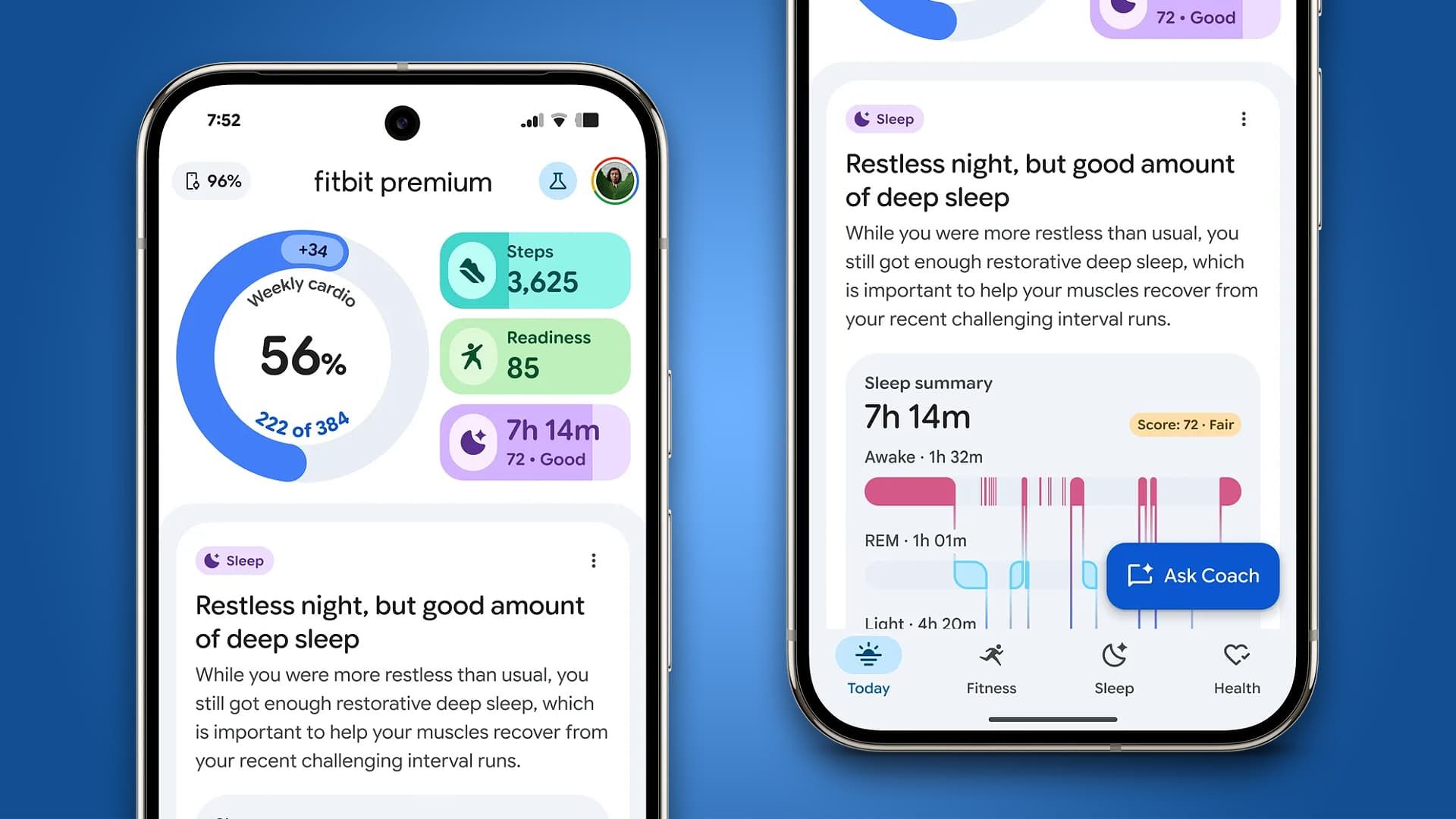
The latest Google Health update lets you hide the AI Coach — and I'll be glad to take a break from its advice
THE SO WHAT
Users asking to hide an AI health coach is a reminder that persistent AI nudging has a tolerance ceiling. If you’re building assistive agents, give people control over presence and frequency — otherwise churn will show up as ‘fatigue’ rather than feature feedback.
READ THE SOURCE
MORE FROM THE WIRE
 Applied AI
Anthropic ran 133 million contractor chats with its bioweapon filters off
A top lab publicly raising its own catastrophic misalignment estimate—and disclosing 133M contractor chats without bioweapon filters—moves “alignment debt” from theory to operational risk. If you’re building on frontier models, assume safety systems are still in flux and design your own domain guardrails instead of outsourcing the whole problem upstream.
 Applied AI
Yadda 3.0.0: BDD in the Age of AI Agents
Bringing BDD discipline to AI agents is an early attempt to tame autonomous behavior with human-readable specs. If you’re experimenting with agents in production workflows, borrowing BDD-style contracts may be the cheapest way to keep behavior auditable.
 Applied AI
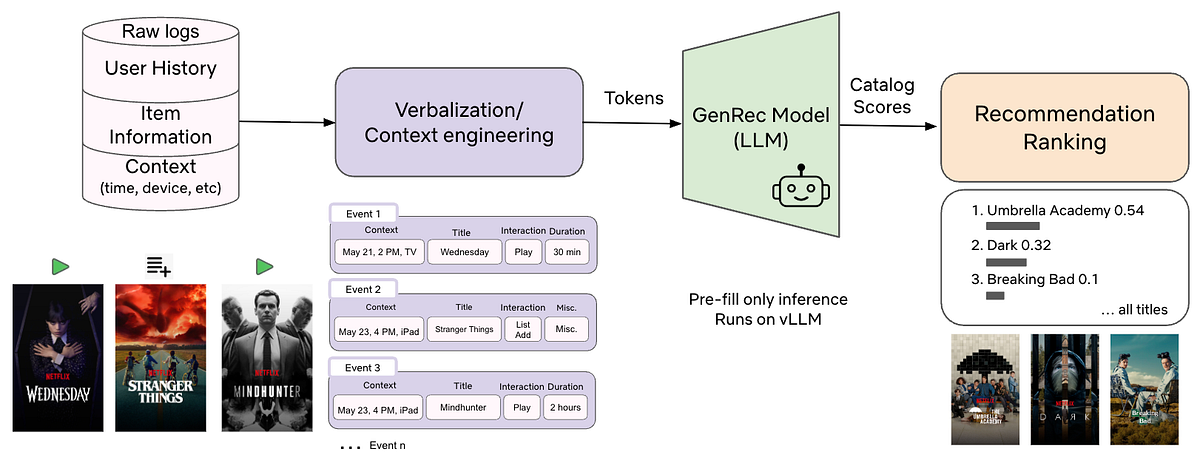
GenRec: Towards LLM-Native Recommendation at Netflix
Netflix experimenting with LLM-native recommendation is a shot across the bow for classical recsys—content platforms are testing whether unified language models can replace bespoke pipelines. If you run personalization at scale, you should be running bake-offs between your current stack and LLM-based approaches on narrow slices of traffic.
Applied AIA decade of internal AI battles is finally catching up to Google
Ten years of internal friction around DeepMind and core AI strategy shows how costly misaligned org charts can be when the tech becomes central to the business. If AI is now core to your roadmap, treat governance and P&L ownership as first-order design problems — not issues to clean up after the fact.