

The UN fails to agree on rules regulating ‘killer robots’
THE SO WHAT
Autonomous weapons are advancing faster than multilateral norms, which means companies building dual-use autonomy will operate in a regulatory vacuum for longer than many expected. Early signal: you’ll need your own internal red lines and export controls rather than waiting for Geneva to hand you a rulebook.
READ THE SOURCE
MORE FROM THE WIRE
 Robotics & Autonomy
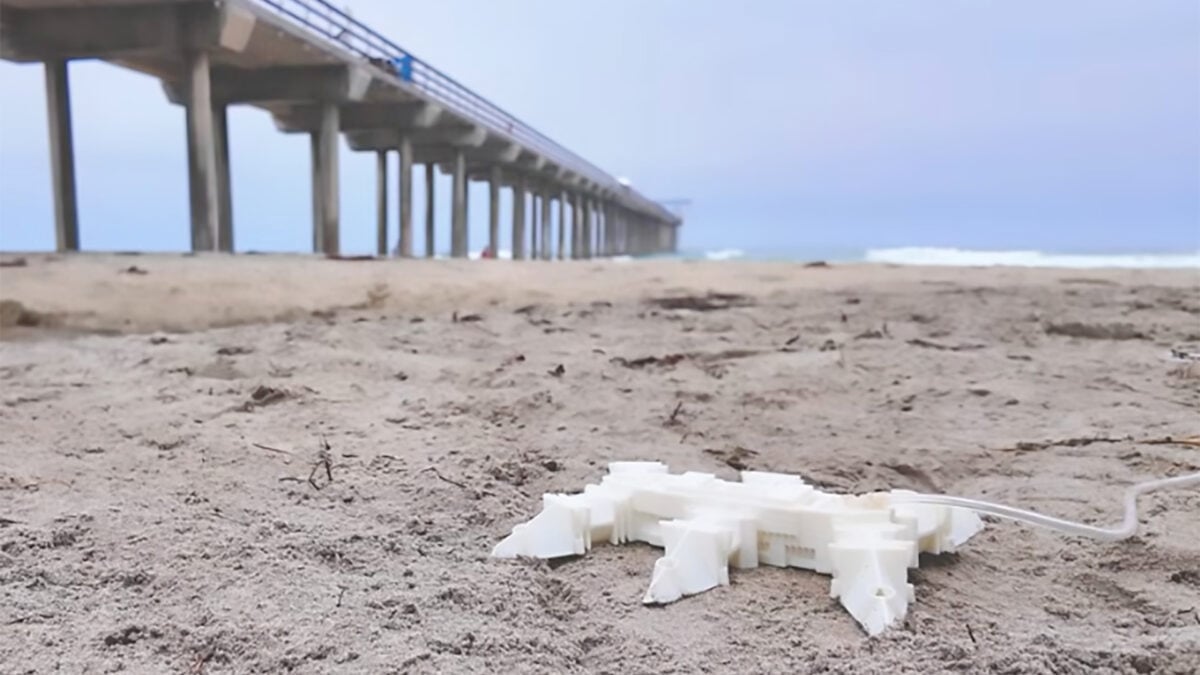
This Squishy Little Robot Can Run 10 MPH Without Electronics
A soft robot hitting ~10 mph with no electronics points to mechanical intelligence as a parallel track to software-heavy autonomy. In environments where EMI, radiation, or maintenance kill traditional bots, you may soon have a new class of low-control, high-resilience actuated systems to work with.
 Robotics & Autonomy
‘The doom of humanity’: will the quest to make robotic hands render us obsolete?
The race to human-level robotic dexterity is about collapsing the gap between digital intelligence and physical labor — once hands catch up, far more jobs become automatable. Operators in logistics, manufacturing, and retail should start mapping tasks where human hands are the only barrier to full automation and plan for supervision-heavy roles on the other side.
 Robotics & Autonomy
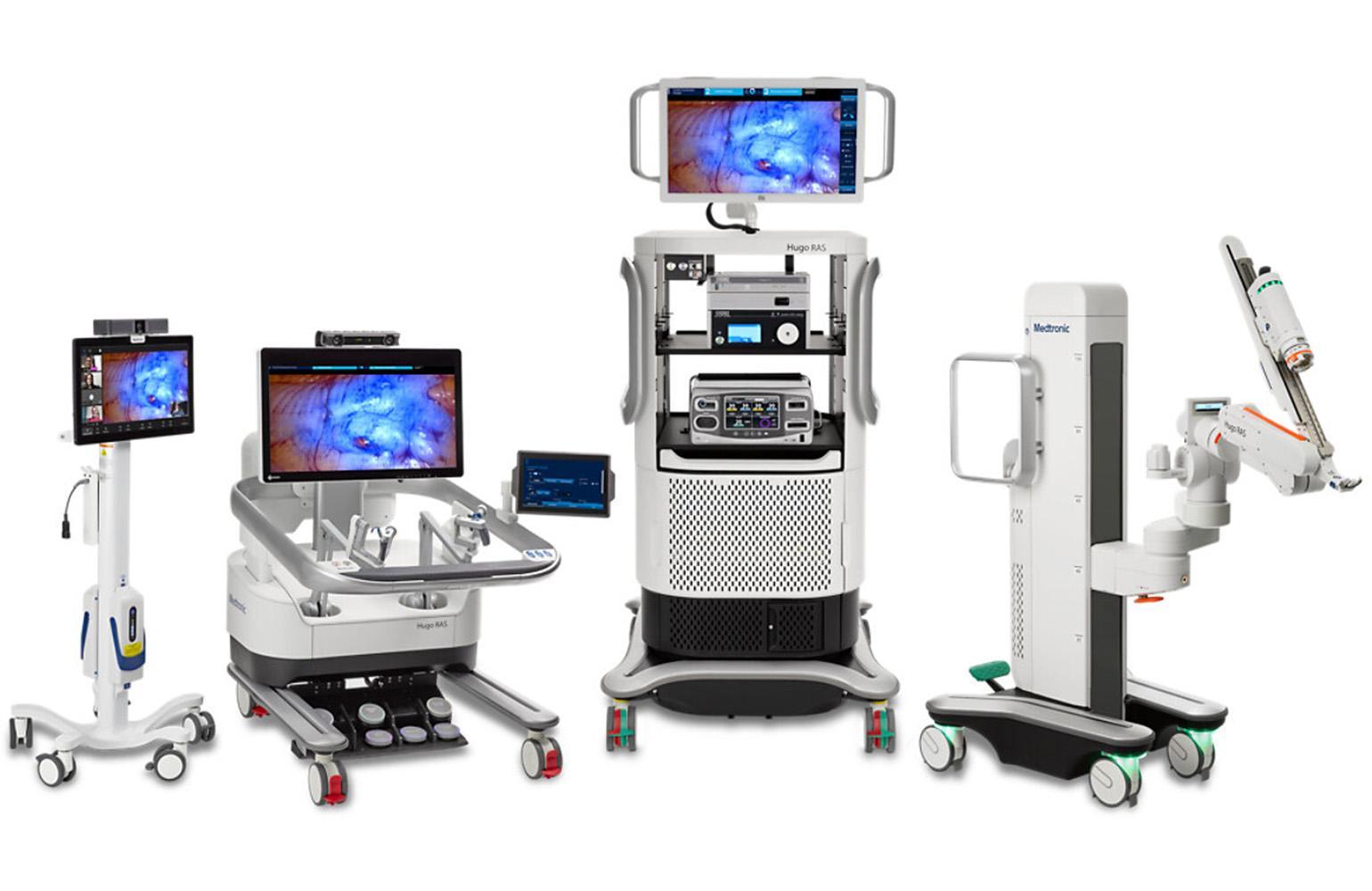
Medtronic’s Hugo surgical robot ready for bigger operation
Crossing 50,000 procedures puts Hugo into the “operational data at scale” phase—iterating on workflows, training, and outcomes, not just hardware. Hospital leaders should be revisiting their surgical robotics roadmap now, because vendor lock‑in will be defined over the next 2–3 buying cycles.
 Robotics & Autonomy
Video Friday: Drone Squeezes Itself to Fit Through Tight Spaces
Shape-shifting quadrotors that can squeeze through tight spaces push drones deeper into inspection, search-and-rescue, and defense workflows where GPS and line-of-sight fail. If you manage critical infrastructure or hazardous facilities, start mapping where morphing or deformable platforms could replace human entry over the next 3–5 years.