
The US Army is exploring robotic F-250 pickups. The company behind them sees future mine hunters and breachers.
THE SO WHAT
Turning commodity F-250s into autonomous breachers is a bet that software-first retrofits can handle high-risk missions before bespoke unmanned ground vehicles scale. Early signal for defense and industrial players: dual-use autonomy that rides on existing vehicle fleets will likely see faster deployment than clean-sheet robots.
READ THE SOURCE
MORE FROM THE WIRE
 Robotics & Autonomy
HOVERAir’s new pocket camera grows wings and turns into a drone
A pocket gimbal that snaps on propellers to become a self-flying drone is another step toward ‘appliance’ autonomy—no piloting, just capture. For consumer and prosumer hardware teams, this is the bar: autonomy has to disappear into the form factor, not live as a separate product.
 Robotics & Autonomy
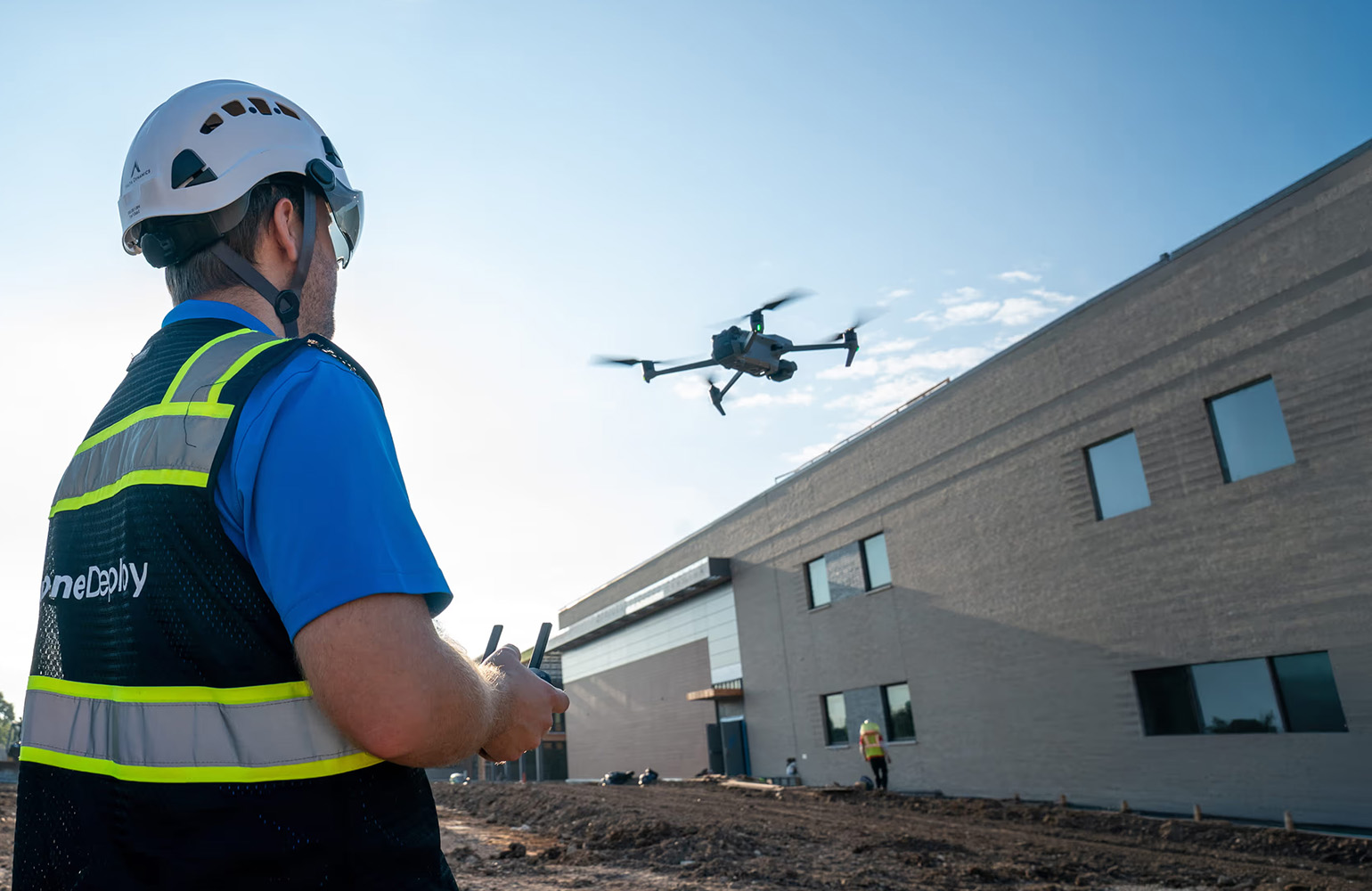
Procore Technologies acquires DroneDeploy for $845M
An $845M construction SaaS–drone deal is a clear bet that visual data capture and site intelligence will be embedded directly into project management workflows. If you build tools for physical industries, assume the winning platforms will own both the field sensors and the cloud where that data is turned into decisions.
 Robotics & Autonomy
Google DeepMind tests Gemini Robotics 2 doing chores around the house, and the future looks bright!
Gemini Robotics 2 running household chores on Apollo 2 and Franka F3 Duo is another data point that general-purpose manipulation is moving from lab demo to repeatable stack. Industrial and logistics operators should start mapping which tasks in their facilities look most like these early chore workloads — that’s where pilot ROI will show up first.
 Robotics & Autonomy
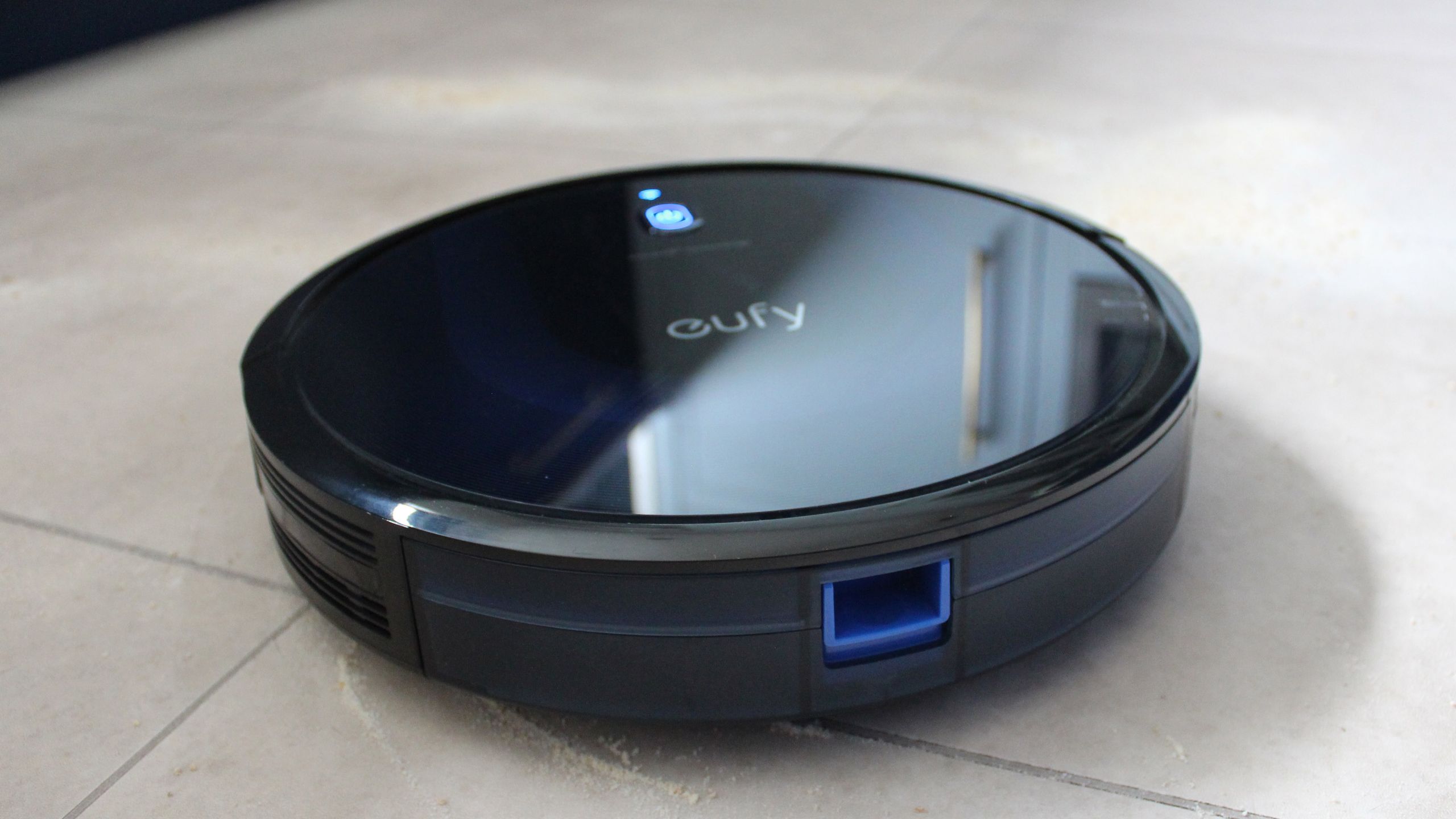
First drones, now robot vacuums — the US government's ban on foreign robots is confirmed to include many of the best robovacs and robot lawn mowers on the market, and brands may have been caught off-guard
Extending US bans on foreign-made advanced robots to consumer vacuums and lawn mowers shows how quickly security logic can spill into everyday devices. Hardware teams should assume that connectivity, cameras, and autonomy features can trigger regulatory risk — and design sourcing and data paths accordingly.