

The US government wants to make it easier to build and launch floating nuclear reactors, 'unleashing American energy dominance'
THE SO WHAT
Floating nuclear reactors backed by friendlier international rules would shift baseload generation closer to ports and maritime corridors—energy security becomes a naval and regulatory question, not just a grid one. Industrial operators with coastal footprints should start mapping scenarios where cheap, mobile nuclear power changes site selection and process economics.
READ THE SOURCE
MORE FROM THE WIRE
 Deep & Emerging Tech
Apple Reportedly Testing Controversial Chinese Chips as Memory Supply Crunch Intensifies
If Apple is testing memory from a Chinese vendor flagged as a military company by the US government, the supply crunch is now colliding directly with export-control politics. Hardware teams should assume component sourcing will be a regulatory problem as much as a cost one — dual-track qualified suppliers and design-in flexibility are becoming non-negotiable.
 Deep & Emerging Tech
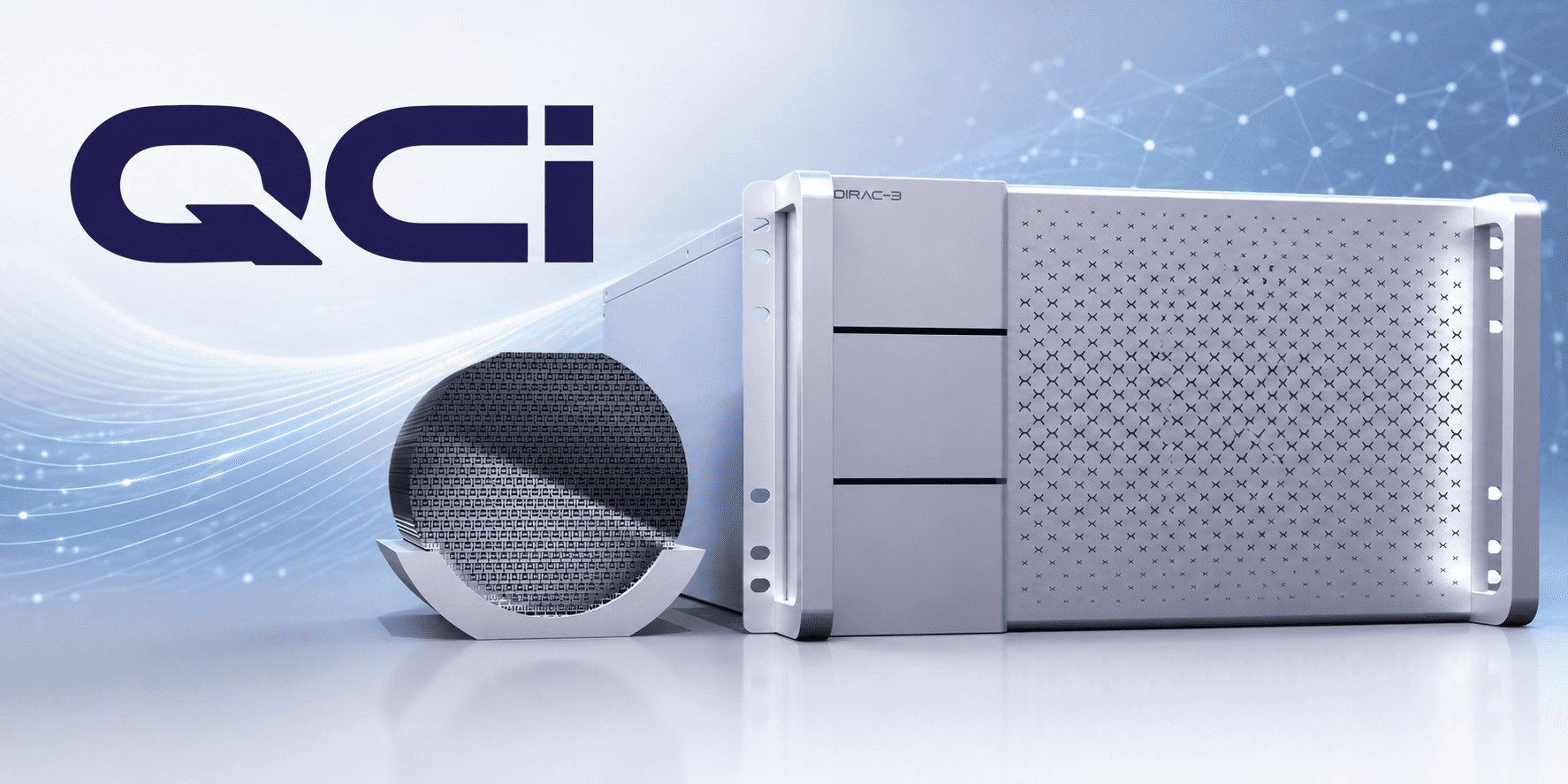
Quantum Computing Inc. Revenue Jumps as Acquisitions Expand Commercial Business
Quantum Computing Inc. is buying its way into revenue with photonics and semiconductor adjacencies while still running operating losses—this is a platform-assembly play, not yet a proof of quantum product-market fit. If you’re considering quantum vendors, separate near-term photonics/semiconductor value from longer-dated quantum roadmaps in your contracts.
 Deep & Emerging Tech
Valve is warning Steam Machine buyers that scammers have their address
A logistics provider breach exposing Steam hardware customers’ addresses shows how your supply chain can quietly become your biggest data leak. If you ship physical product, extend your security audits to 3PLs and fulfillment partners—PII risk doesn’t stop at your own APIs.
 Deep & Emerging Tech
SpaceX is spending $16.8 billion on a Texas chip fab Musk says will be '50 times the size of the Pentagon'
A $16.8B, 100M+ sq ft Texas chip fab from SpaceX/Tesla is another data point that hyperscale compute buyers are turning into chip manufacturers. If you depend on third-party accelerators, assume your largest competitors may vertically integrate at the silicon level and plan for a world where access, not just price, is the constraint.