
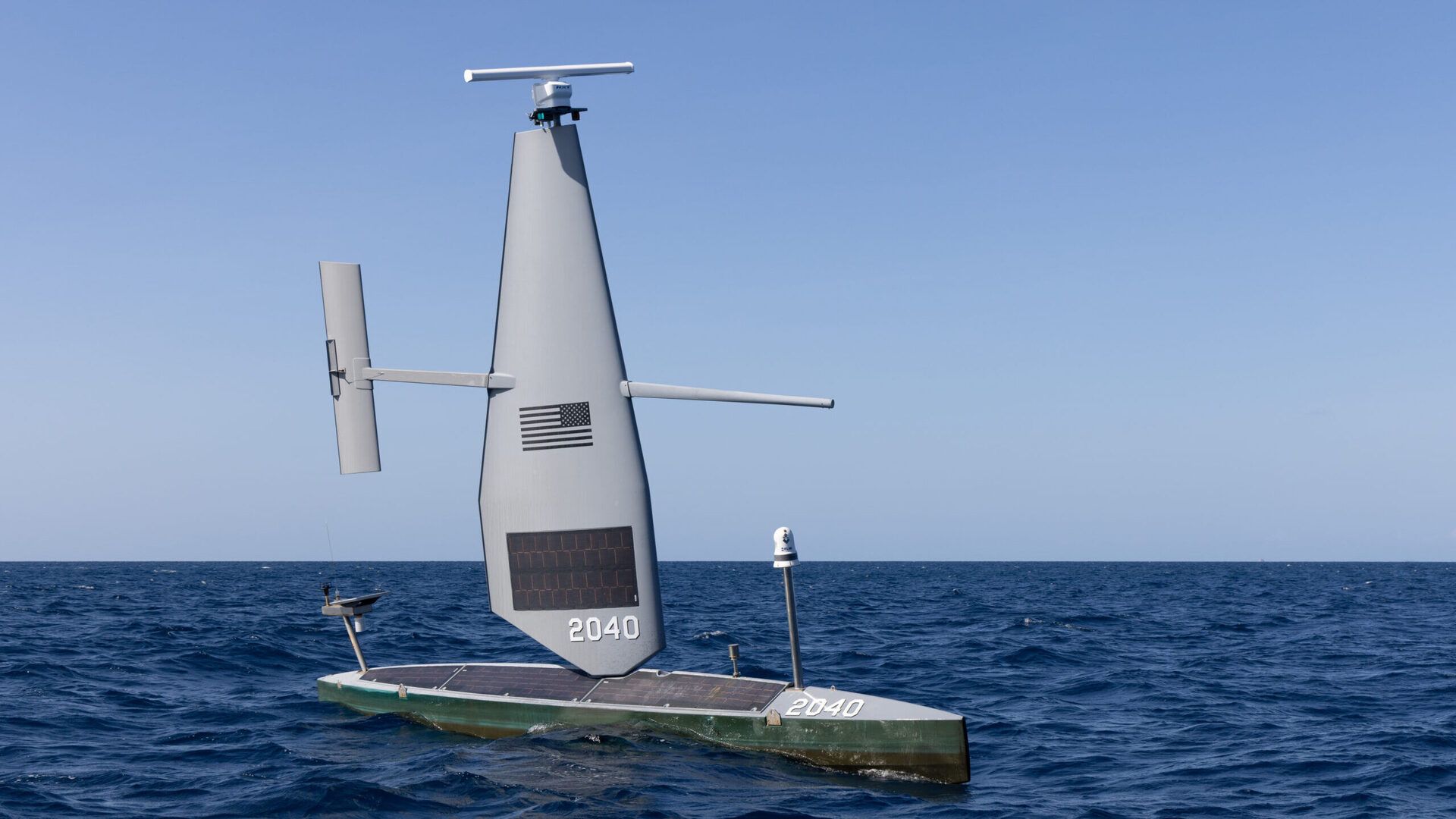
The US Navy used a swarm of drone boats to seize $81 million worth of cocaine in the Caribbean
THE SO WHAT
Autonomous surface swarms helping seize $81M in cocaine is another data point that maritime domains are shifting from crewed patrol to persistent robotic sensing and interdiction. If you touch logistics, offshore energy, or coastal infrastructure, assume your operating environment will be saturated with third-party autonomous sensors and plan security, privacy, and incident response accordingly.
READ THE SOURCE
MORE FROM THE WIRE
 Robotics & Autonomy
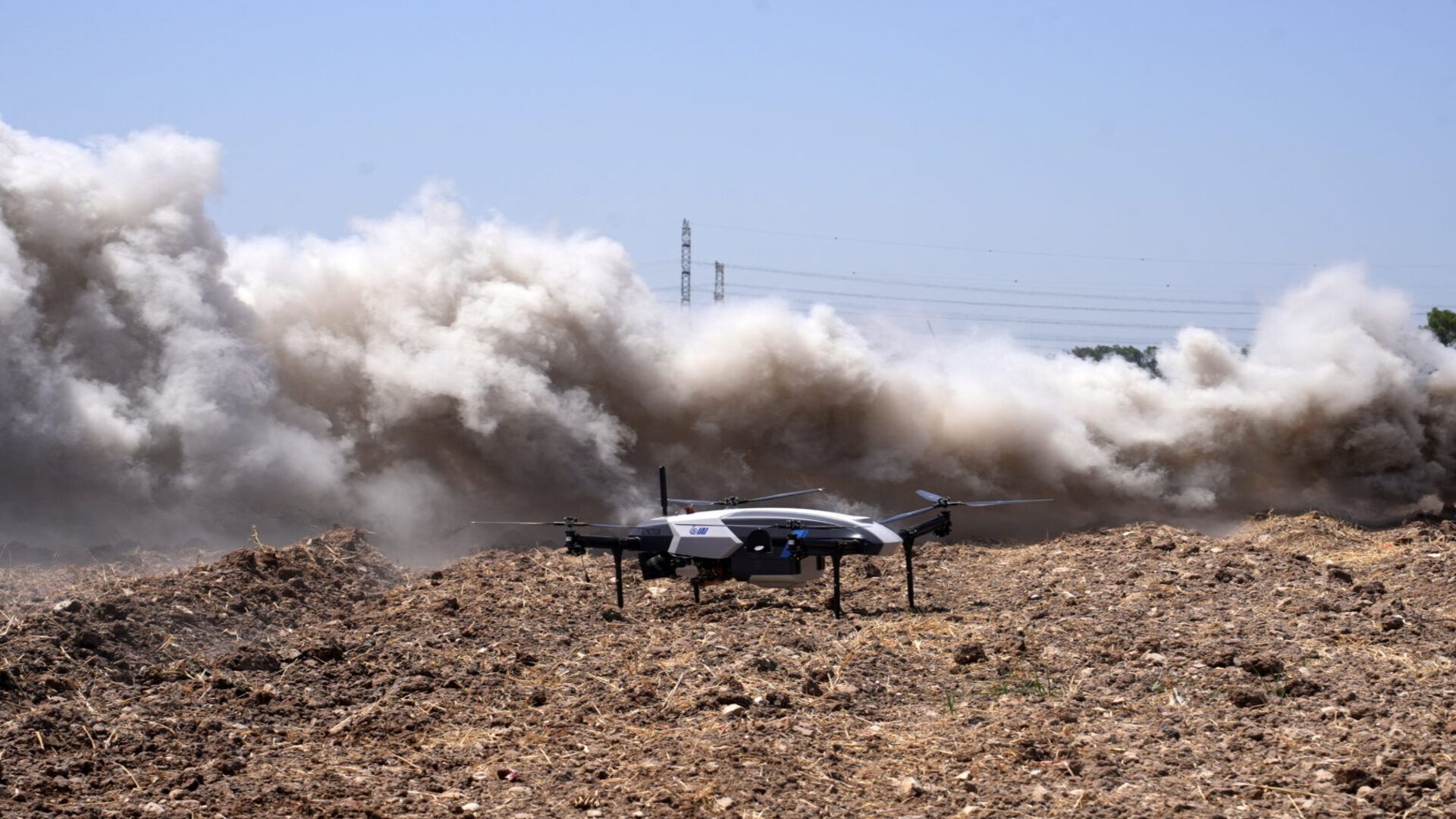
New drone system which could spot wildfires before they get out of control completes its first test — but is it too late for the summer blazes plaguing Europe?
Wildfire response is shifting from satellite and tower monitoring to persistent, low-altitude autonomy — but the gating factor is validation and regulatory clearance, not sensors or AI. If you operate in fire-prone regions, start treating aerial autonomy as part of your resilience stack now, because once these systems clear testing, insurance and regulators may expect you to use them.
 Robotics & Autonomy
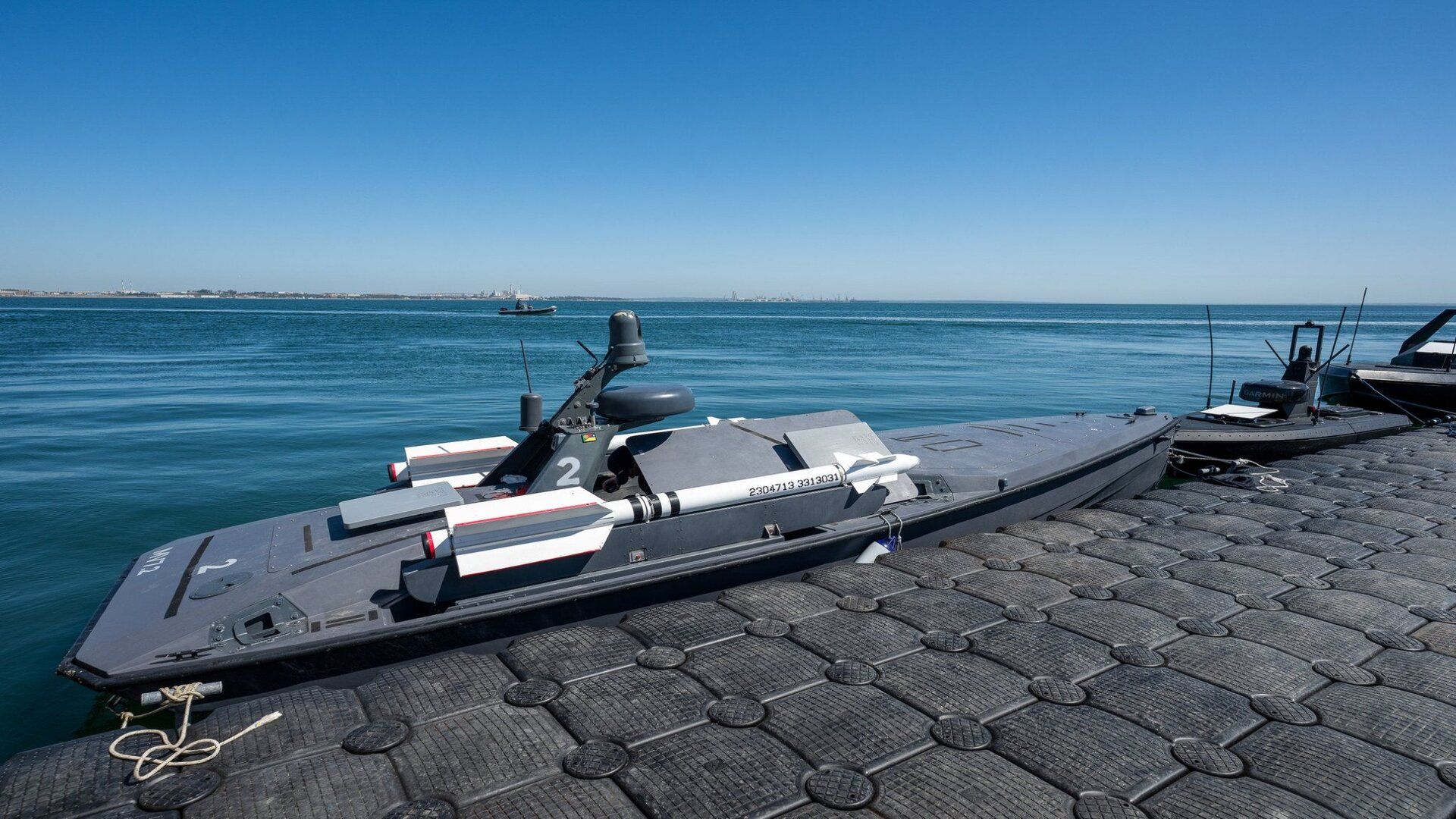
Pentagon launches campaign for unmanned boats able to launch drones at sea
Defense is now funding fully autonomous kill chains at sea — $100 million for drone-launching vessels is a concrete step toward distributed, low-crew maritime operations. Dual-use founders in autonomy, maritime sensing, and C2 should assume naval requirements will shape the next wave of standards and export controls.
 Robotics & Autonomy
Experts look ahead at the next 20 years of robotics at RoboBusiness
A 20-year robotics horizon forces a harder question than 'what can we automate'—it's 'which workflows do we want to design around robots as first-class participants.' If you're in logistics, manufacturing, or field services, you should be mapping which parts of your stack you expect to be robot-native versus human-native by the mid-2030s.
Robotaxis are scaling now, fixing problems later
Robotaxi operators expanding while still encountering edge-case failures shows a bias toward coverage over perfection — reliability is being treated as an in-market optimization problem. If your city, fleet, or insurance business touches AVs, you need live incident data and clear escalation protocols now, not after scale.