

Thing 2.0? This Creepy-Cute Robot Walks on Its Fingers
THE SO WHAT
A finger-walking robotic hand sounds like a novelty, but it’s a testbed for high-dexterity locomotion and manipulation in tight spaces. Industrial and defense teams should watch these “weird” form factors—they often become the basis for inspection and repair bots where wheels and legs fail.
READ THE SOURCE
MORE FROM THE WIRE
 Robotics & Autonomy
Waymo now offering transit rewards to riders
Waymo tying robotaxi rides to transit rewards is a move to integrate AVs into public transport, not just compete with it. Cities and mobility operators should treat AV fleets as potential extensions of transit networks and negotiate data‑sharing and incentives accordingly.
 Robotics & Autonomy
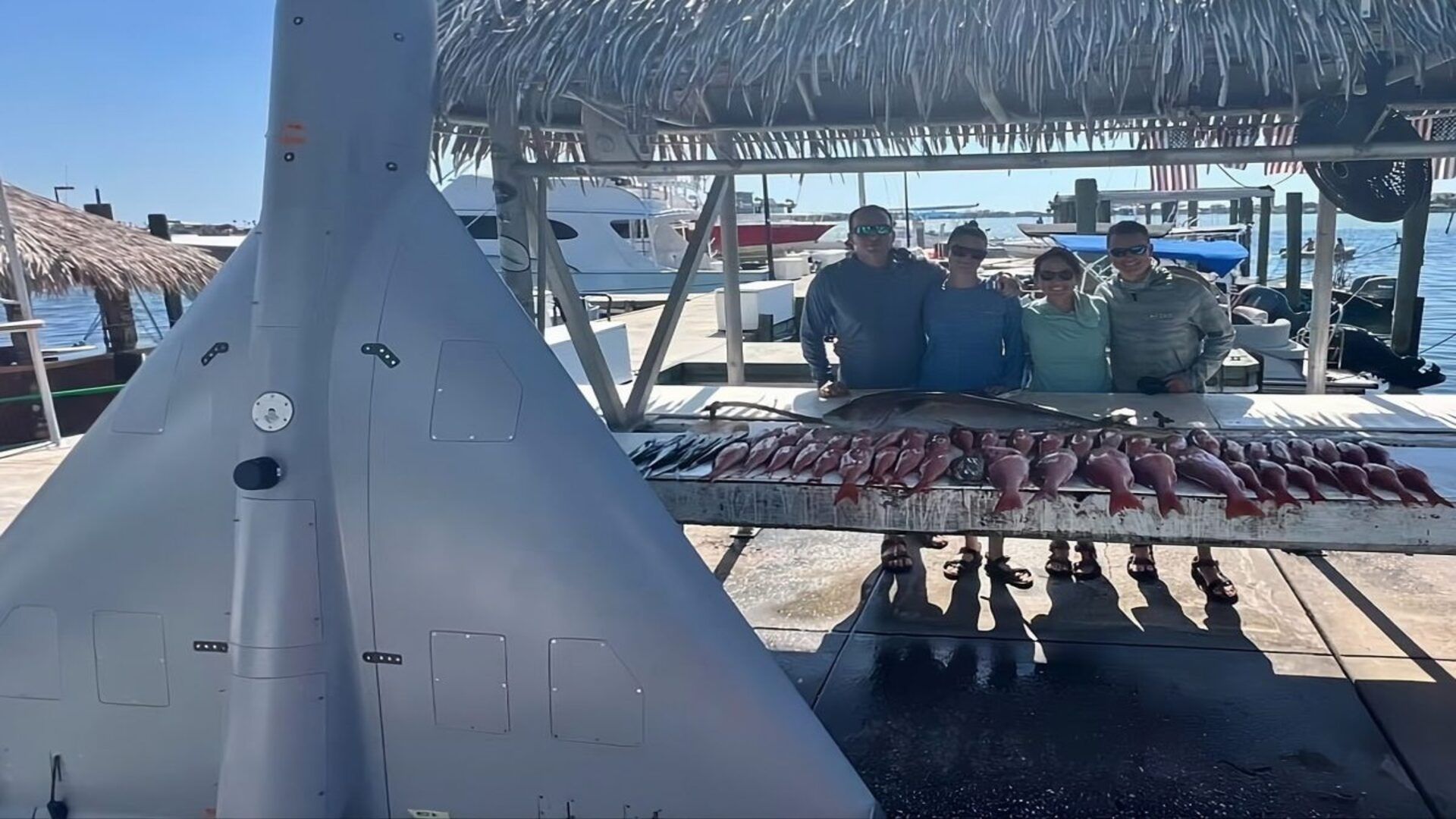
Talk about catch of the day — Florida fishing charter snags a huge military drone in the Gulf of Mexico, but no one is claiming it yet
A large unclaimed military-style drone washing up near Eglin Air Force Base is a reminder that autonomous systems are now part of the background environment, not just battlefields. If your operations touch critical infrastructure or coastal logistics, revisit assumptions about who and what is flying overhead and how you’d respond to stray hardware.
 Robotics & Autonomy
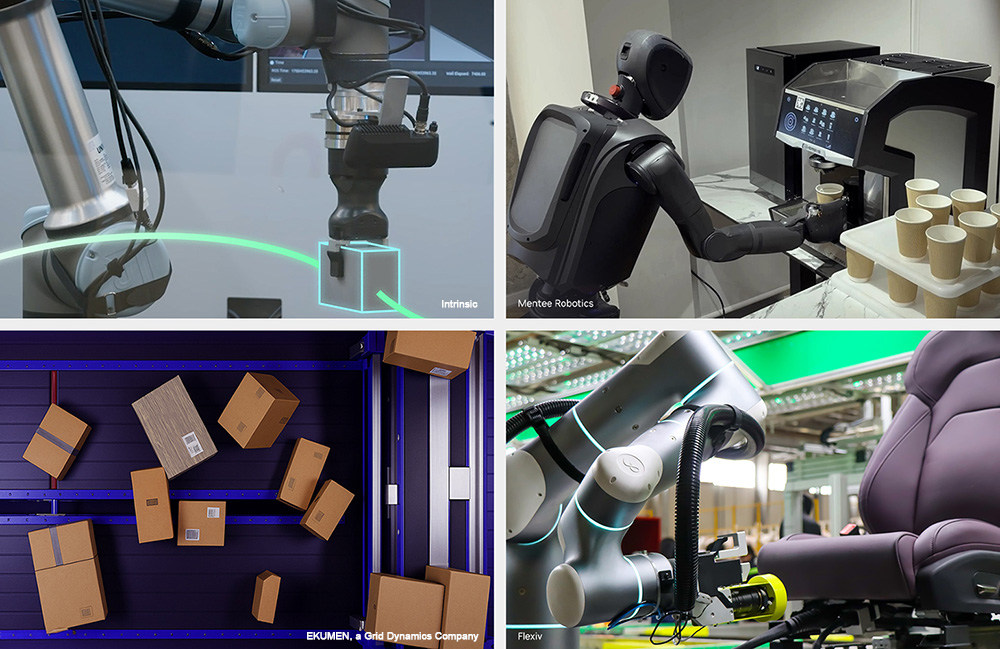
Isaac ROS 5.0 brings AI agents to robotics development, says NVIDIA
Isaac ROS 5.0 adding agentic workflows to robotics dev means “AI agents” are moving from web apps into perception, planning, and control loops. If you’re building robots, your differentiation shifts toward task design, data, and integration—NVIDIA is trying to commoditize more of the autonomy stack.
 Robotics & Autonomy
Waymo’s latest expansion strategy: teenagers
Waymo opening robotaxis to 13–17-year-olds in Nashville is a test of whether autonomy can become a default mobility option before kids ever get driver’s licenses. If you’re in transportation or retail, start modeling what it means when a meaningful slice of your future customers never learns to drive themselves.