

This fake LastPass Authenticator app will just shut off your antivirus and leave you open to attack
THE SO WHAT
Malware masquerading as a LastPass Authenticator that disables antivirus is a direct attack on the MFA trust layer, not just another phishing attempt. Security teams need to treat app-store hygiene and authenticator provenance as first-class controls — lock down what employees can install and standardize on vetted MFA clients.
READ THE SOURCE
MORE FROM THE WIRE
 Deep & Emerging Tech
More and more workers are feeling stressed at work due to security risks
If 91% of staff are stressed about security and 74% find recovery tools too hard to use, your incident response plan is a UX problem as much as a policy problem. Simplifying recovery workflows and training may buy you more real risk reduction than another detection SKU.
 Deep & Emerging Tech
Finally, Smart Glasses With a Use Case That Isn’t Icky
FDA-cleared smart glasses that double as hearing aids anchor wearables in a clear medical use case instead of novelty AR. Expect more regulated, reimbursement-friendly hardware where the wedge is clinical value and the upside is ambient compute on the face.
 Deep & Emerging Tech
Apple's iOS 27 found to break NordVPN's scam and phishing protection — and it isn't the only privacy tool impacted
OS-level features like Connectivity Assist quietly breaking VPN-based scam and phishing protection is a reminder that platform updates are now a security dependency, not just a UX change. If you rely on third-party privacy tools, you need regression testing against major OS betas baked into your security operations.
 Deep & Emerging Tech
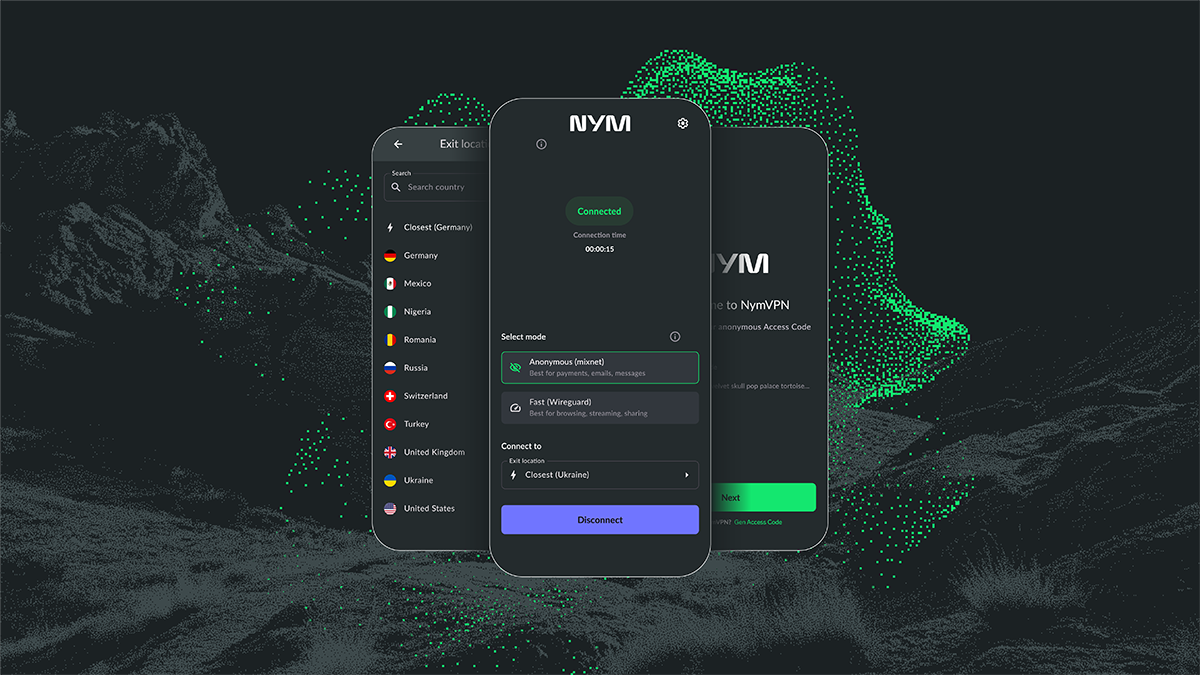
VPN Deal of the Week: NymVPN drops low-commitment price plans – a cheaper way to try out its class-leading mixnet security
Cheaper, low-commitment access to mixnet-based VPNs lowers the barrier for users who want stronger metadata protection than standard VPN tunnels. If your threat model includes traffic analysis, it’s time to evaluate whether mixnet-style tools belong in your stack alongside or instead of traditional VPNs.