

This Graduate Student Equips NASA’s Robots With Assembly Skills
THE SO WHAT
Teaching NASA robots assembly skills is another proof point that high-stakes environments are shifting from teleop to semi-autonomous manipulation. If you build for industrial or space-adjacent domains, start mapping which assembly tasks can move from human-first to robot-first over the next 3–5 years.
READ THE SOURCE
MORE FROM THE WIRE
 Robotics & Autonomy
Agility Robotics plants its flag in Tesla’s backyard
Agility putting a Digit training center in Fremont is about talent and ecosystem gravity—humanoids are moving from demos to local operating footprints near automotive and robotics hubs. If you run industrial operations in those regions, start mapping where humanoid pilots could plug into your workflows before vendor capacity tightens.
 Robotics & Autonomy
Founder of Maximo discusses how robotics is accelerating solar construction
Robotics creeping into solar construction shifts the constraint from panel cost to deployment speed and labor availability. If you’re in utility-scale solar, start mapping which parts of your build sequence are robot-friendly now — trenching, racking, panel placement — or you’ll be priced out by faster, more predictable installers.
 Robotics & Autonomy
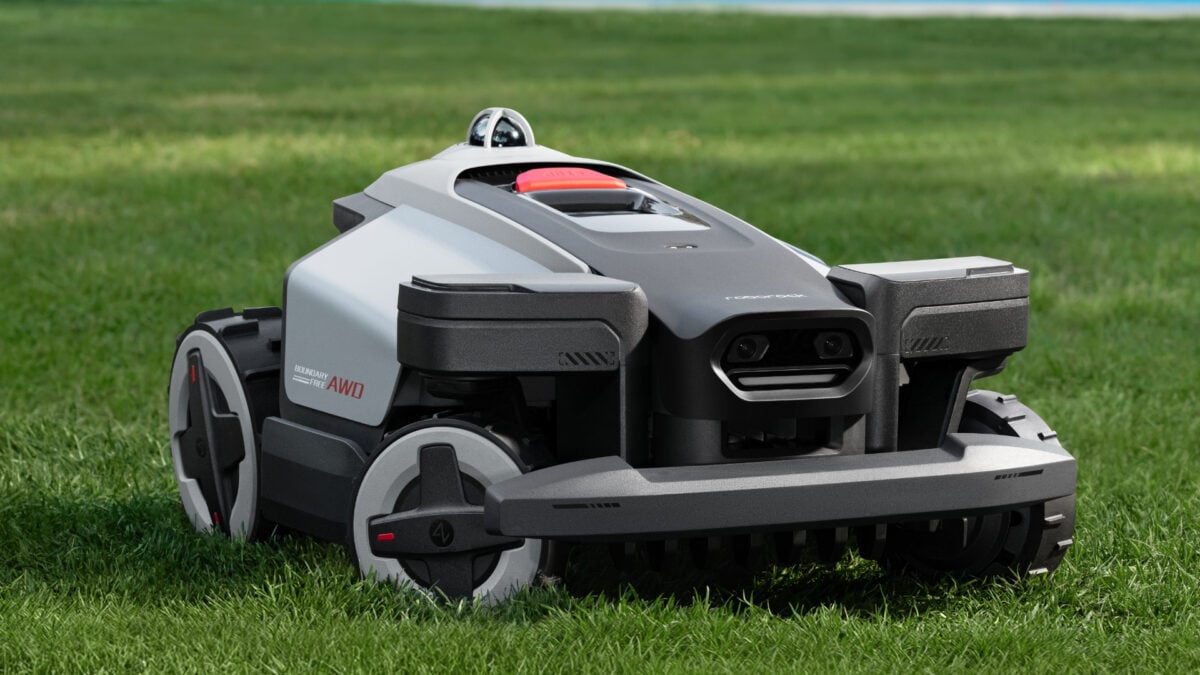
Roborock’s Big LiDAR Robotic Lawnmower Needs No Satellites
Ditching satellite beacons for LiDAR on a half-acre-capable mower is another data point that outdoor consumer robotics is moving toward fully local autonomy. If you build hardware for the home, assume customers will expect drop-in, no-infrastructure setup within a product cycle or two.
 Robotics & Autonomy
Weave Robotics launches Isaac, its first mobile humanoid robot
A wheeled, bimanual household and office robot like Isaac is another bet that the first viable ‘humanoids’ will trade legs for practicality and cost. If you’re designing service workflows, think in terms of mobile manipulators that can handle doors, drawers, and carts long before fully legged platforms are affordable.