

This startup is issuing AI-generated acne prescriptions
THE SO WHAT
An app that scans faces and autonomously writes acne prescriptions in Utah is the clearest sign yet that low-acuity telehealth is moving toward AI-first triage and prescribing. Healthcare operators should be mapping which visit types are next in line for this model before payers start pushing it.
READ THE SOURCE
MORE FROM THE WIRE
 Applied AI
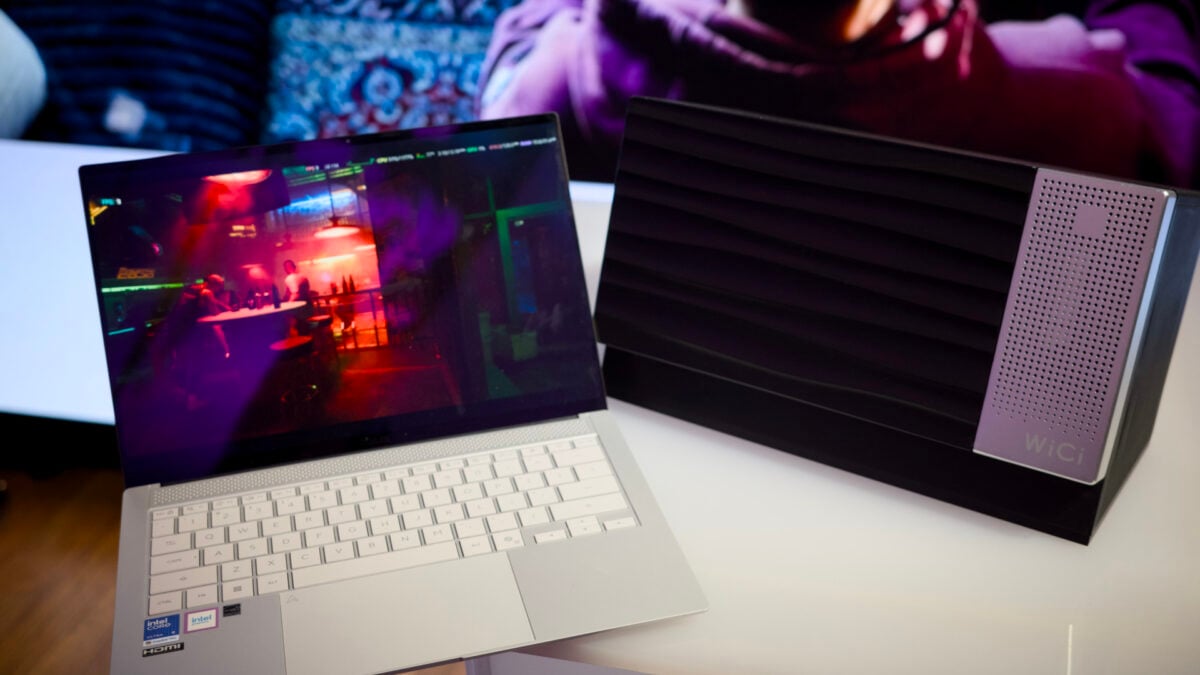
The First ‘Wireless GPU’ Uses Wi-Fi to Headbutt All Those AI Subscriptions
A Wi‑Fi eGPU that can be shared across devices is a small but clear nudge toward pooled, local inference instead of per-seat cloud subscriptions. If you’re building AI-heavy desktop apps, assume some users will expect to point at shared local accelerators, not just vendor APIs.
 Applied AI
Teen Left Stranded on a Cliff After Letting AI Plan Hike
An AI-planned hike that ended with a cliff rescue is a reminder that consumer agents are already being treated as authoritative in safety-critical contexts. If your product outputs real-world plans—travel, health, outdoors—tighten constraints, disclaimers, and guardrails before regulators or insurers force the issue.
 Applied AI
Reflection debuts Beam, an open-weight AI model to rival Chinese models at lower compute cost
An open-weight model that claims GLM‑5.2‑level reasoning with far less inference compute is a direct shot at the cost structure of high-end LLM deployments. If you’re locked into expensive closed models for reasoning tasks, it’s time to budget a serious Beam-style bakeoff as soon as weights drop.
 Applied AI
All the drama around AI’s takeover of mathematics
AI systems pushing into frontier math—up to and including a Millennium Prize problem—turn pure math into a testbed for how we treat machine-generated proofs and credit. For R&D-heavy orgs, the takeaway is simple: start defining how you’ll validate, attribute, and publish work where AI is a genuine co-author, not just a tool.