
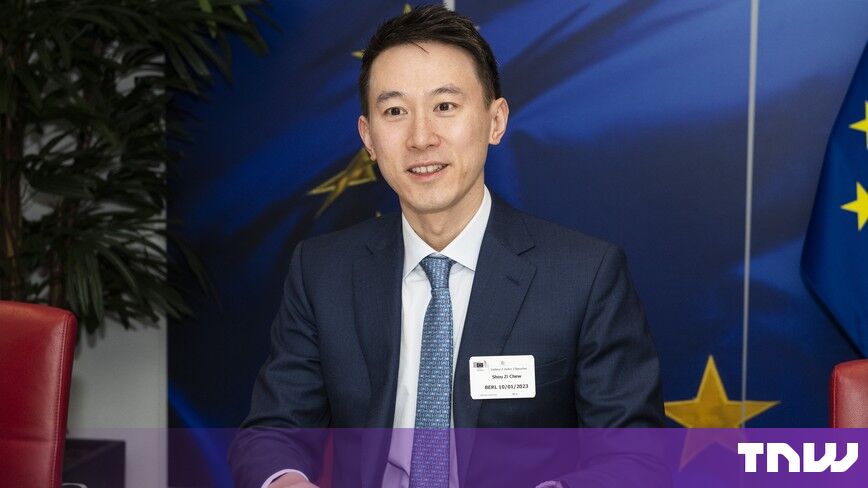
TikTok’s Shou Chew expects an AI science breakthrough within three years
THE SO WHAT
When a consumer-platform CEO is publicly time-boxing AI-driven breakthroughs in physics, biotech, and materials to 2–3 years, expectations for R&D productivity are being reset across sectors. If you run a research-heavy org, budget and portfolio reviews now need an explicit view on which discovery workflows you expect AI to compress on that same horizon.
READ THE SOURCE
MORE FROM THE WIRE
 Applied AI
UK government mulls compulsory AI safety reporting
Mandatory AI safety reporting would turn model risk from a PR issue into a regulated disclosure obligation. If you’re deploying or selling AI into the UK, start inventorying where safety metrics, evals, and incident logs actually live today.
 Applied AI
Microsoft President Brad Smith calls for global safety regulations for AI, arguing that milk and washing machines currently face more stringent safety standards
When a top hyperscaler executive says milk and washing machines are more regulated than AI, they’re inviting governments to harden the rules of the game. Expect safety, provenance, and liability requirements to converge across markets — design your AI stack assuming cross-border compliance, not one-off local fixes.
Applied AIAI in Banking: Junior Bankers Find Work Managing AI Agents
When junior bankers start their careers managing AI agents, the entry-level job ladder is being rewired. If you run a talent pipeline, redefine analyst roles around oversight, prompt design, and exception handling — or your training model will be obsolete in two years.
 Applied AI
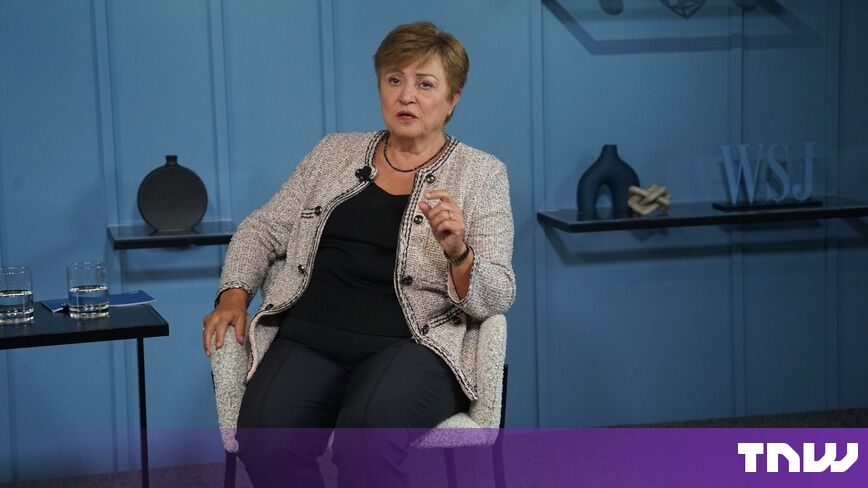
IMF says AI investment is keeping global growth near 3%
If the IMF is crediting AI infrastructure spend for holding global growth around 3%, AI capex has become a macro variable, not just a tech line item. For operators, that means AI build‑out will stay funded even through rate noise — but you should separate real demand from capex‑driven sugar highs in your own sector.