

Tor VPN turns one, and anti-censorship and stability take center stage
THE SO WHAT
Tor VPN doubling down on anti-censorship and Rust-based Arti stability is a reminder that privacy tools are professionalizing, not fading. If your product operates in high-censorship markets, assume more users will arrive via obfuscated, high-latency paths—and design auth and security flows accordingly.
READ THE SOURCE
MORE FROM THE WIRE
 Deep & Emerging Tech
How a researcher uses Codex and ChatGPT to search for new antimicrobial molecules
Using Codex and ChatGPT to mine living and extinct genomes for antimicrobial candidates turns LLMs into hypothesis engines, not just writing aids. Biotech teams should be asking where generative models can front-load search and design, with wet lab capacity reserved for validation.
 Deep & Emerging Tech
More Americans are warming to EVs, a new study finds
Perceptions of charging infrastructure jumping from 28% to 47% positive while BEV share sits at 5.37% suggests sentiment is running ahead of actual adoption. Auto and charging operators should treat this as a window to lock in locations and partnerships before the next demand wave hits.
 Deep & Emerging Tech
Ukraine Arctic Drone Attacks Reveal New Risks for Gas Market
Drone strikes on remote Arctic gas assets expose how vulnerable long-distance energy infrastructure is to low-cost autonomy. Energy operators and large industrials need to treat airspace and perimeter defense as part of core asset protection, not a peripheral security concern.
 Deep & Emerging Tech
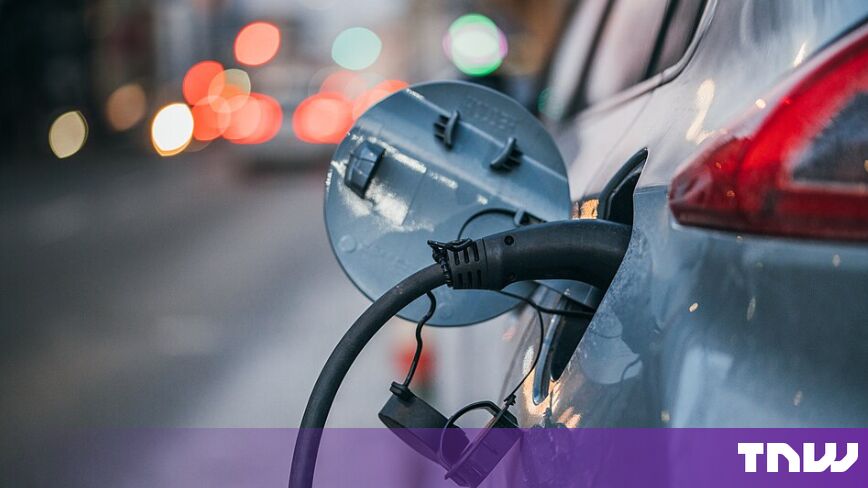
Electric cars are 33% cheaper to run in Europe. Petrol fuel costs rose up to 36% in one shock
With EVs 33% cheaper to run and purchase-price parity already in three EU segments, the cost argument is tilting decisively toward electric. Fleet operators should be revisiting TCO models now—especially where public charging alone still delivers ~28% savings.