

Travis Kalanick’s Atoms might be getting into the robotaxi business
THE SO WHAT
Another well-capitalized entrant eyeing robotaxis suggests the category remains open for new operating models, not just more vehicles. Cities, fleet operators, and suppliers should be planning for a more fragmented AV landscape — with multiple platforms competing for curb space, data, and regulatory mindshare.
READ THE SOURCE
MORE FROM THE WIRE
 Robotics & Autonomy
TechCrunch Mobility: Tesla Cybercab hits the road — and a snag
Autonomous ridehail is now in the phase where real-world snags matter more than demo videos — every failure mode becomes a regulatory and consumer trust data point. If you’re building on AV platforms, assume uneven rollout by city and bake geographic fragility into your unit economics.
 Robotics & Autonomy
Eric Sivertson discusses FPGAs and robot security
FPGAs moving deeper into robot safety and security is a signal that ‘secure by design’ is shifting into hardware, not just ROS patches and network firewalls. If you run or buy fleets, start asking vendors how much of their safety and auth stack lives in reconfigurable silicon versus easily exploitable software.
 Robotics & Autonomy
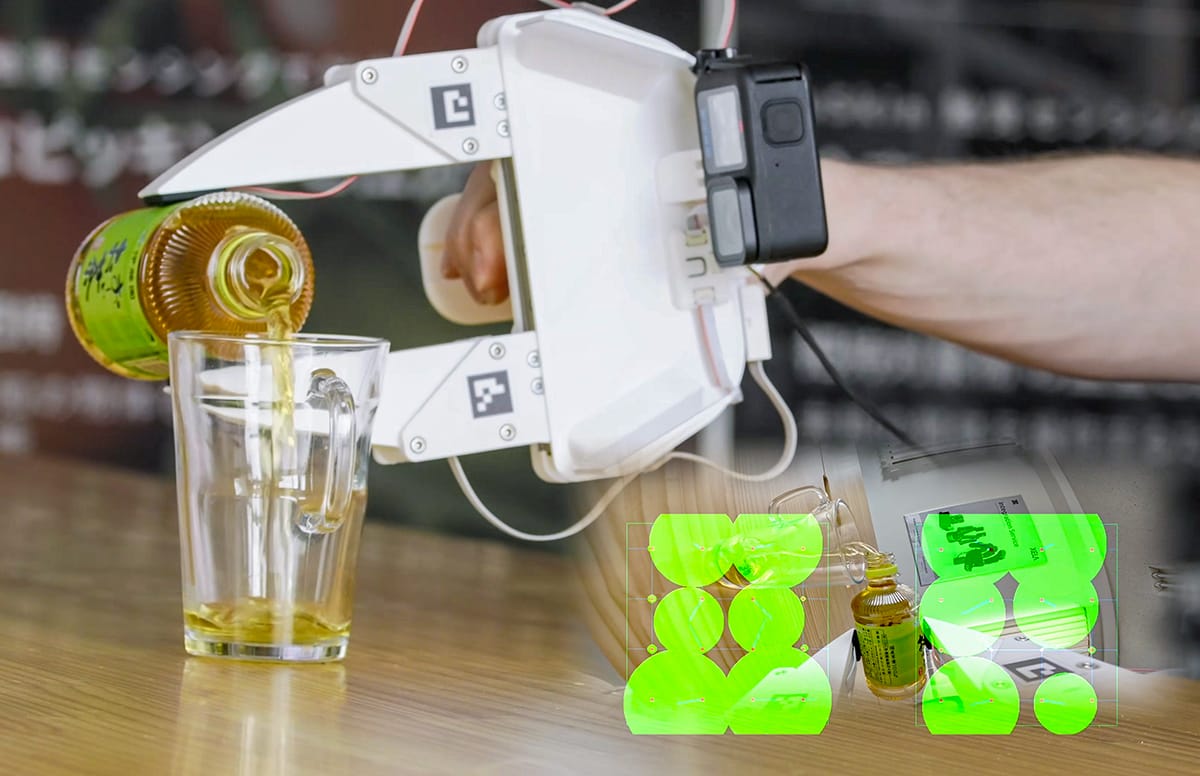
Pressure sensors can help improve robotic gripping accuracy
Better pressure sensing shifts bin picking from brittle vision hacks to measurable contact physics — that’s higher pick rates and fewer dropped parts. If you’re speccing warehouse or line-side robots, start asking vendors for concrete pressure-sensor performance, not just camera demos.
 Robotics & Autonomy
First Responders May Have to Push Tesla’s Cybercabs, Turn Front Wheels by Hand
If first responders need special procedures to safely move a robotaxi, autonomy has crossed from software risk into emergency-infra risk. Cities and fleets will need joint playbooks and training budgets for AV-specific incidents, or every crash becomes a live-fire exercise in system integration failure.