
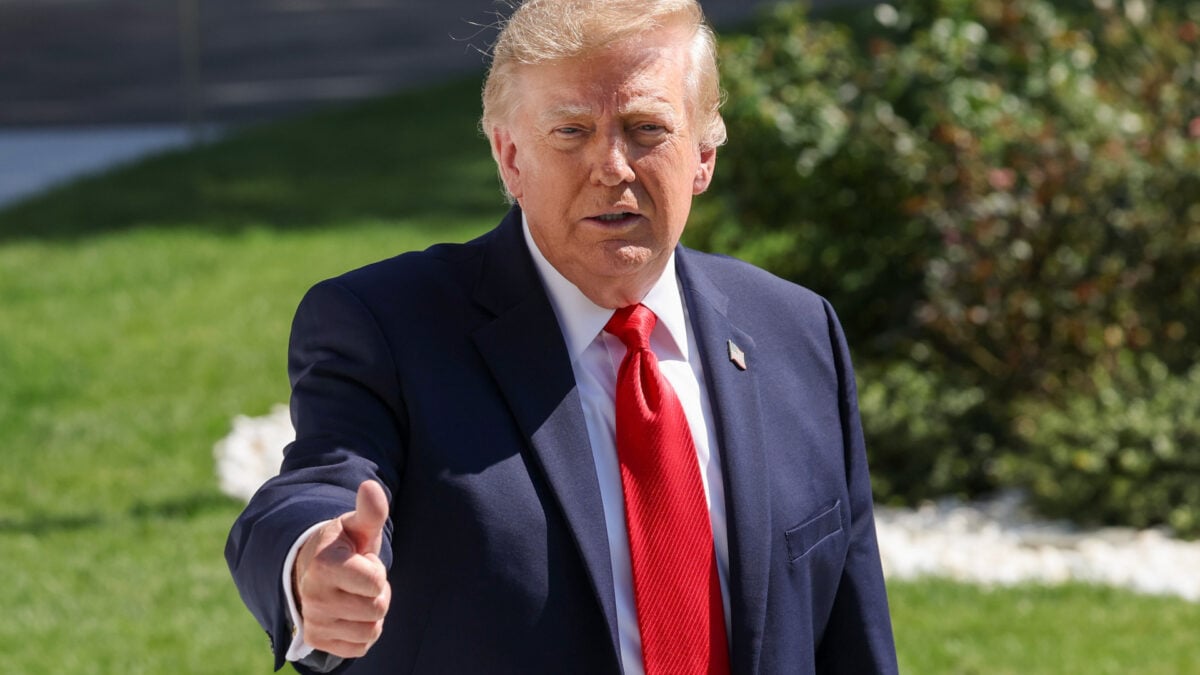
Trump Names National Intelligence Director as New ‘Super Intelligence’ Czar
THE SO WHAT
Putting the national intelligence director over AI policy ties frontier model governance directly to national security priorities. For operators, expect more scrutiny on data flows, foreign partnerships, and model access as intelligence framing starts to dominate the AI conversation.
READ THE SOURCE
MORE FROM THE WIRE
 Applied AI
Sam Altman says OpenAI and Anthropic still hold fundamentally different worldviews on AI regulation, arguing that AI's benefits justify accepting some risks
Divergent worldviews between major labs on acceptable AI risk mean regulatory outcomes will be negotiated in public, not harmonized behind closed doors. Enterprises building on these stacks should align their own risk posture now—your vendor’s philosophy on regulation will bleed into product behavior and compliance exposure.
Applied AIUS Lead in AI Over China Narrows After DeepSeek Gains, BI Says
A narrowing US–China performance gap means model access and deployment discipline matter more than which country has the single best benchmark score. If your strategy assumes persistent US technical dominance, shorten planning horizons and diversify model and infra dependencies across jurisdictions.
 Applied AI
Google froze its open source bug bounty program due to a ‘significant rise’ in AI submissions
AI-generated low-quality reports are now a denial-of-service vector on human review capacity. If you run bounty or feedback programs, you need filters, rate limits, and AI-detection on submissions or your security and QA teams will drown in slop instead of real issues.
 Applied AI
Can ‘super intelligence’ and a non-binding safety pact solve AI’s image problem?
When AI becomes a political brand — “super intelligence” plus non-binding pacts — governance drifts from technical risk management to narrative management. Operators should expect more symbolic frameworks and plan around concrete standards and audits, not headlines.