
Uber, Wayve Launch Robotaxi Service in London to Compete With Waymo
THE SO WHAT
London’s dense, irregular roads are a very different proving ground than the grid layouts of LA or SF—success here would validate AV stacks for older, less-structured cities worldwide. If you run urban mobility or fleet operations, track incident rates and service uptime in London before betting on AV integration timelines in similar geographies.
READ THE SOURCE
MORE FROM THE WIRE
 Robotics & Autonomy
Uber launches London's first commercial robotaxi service; the vehicles use Wayve's autonomous driving tech and will initially have human safety drivers
Wayve and Uber testing camera-only, non-geofenced AVs on London’s chaotic street grid is a stress test for end-to-end learning in the hardest urban conditions. If you’re in mobility or logistics, treat London performance data as a leading indicator of where AV software generalization actually is versus polished demos.
 Robotics & Autonomy
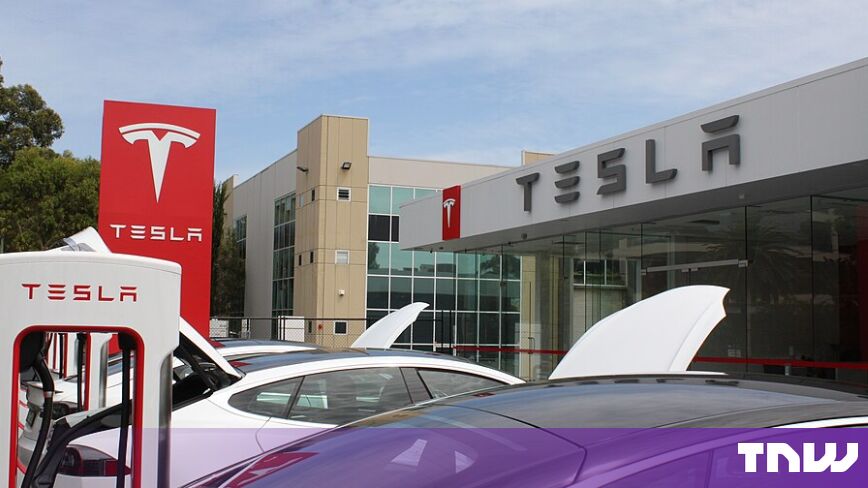
Tesla’s driver assist faces new pressure after two fatal crashes where the cars stopped dead
Two fatal crashes tied to driver assist systems stopping at 0 mph in live lanes underline how edge-case behavior in autonomy is now a public safety and regulatory flashpoint, not just a technical bug. Any company deploying advanced driver assist or AV features needs a clear, auditable story on failure modes and human handoff—or risk seeing approvals revisited and timelines pushed out.
 Robotics & Autonomy
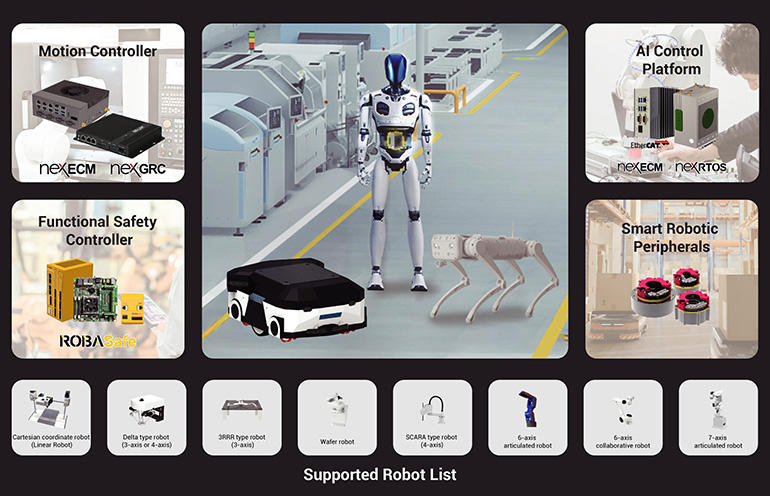
NexCOBOT discusses physical AI market hurdles and acceleration
Physical AI is running into old-line industrial constraints—functional safety, motion control, and integration with legacy equipment—more than model capability. If you're betting on robots in factories or logistics, prioritize vendors who can clear safety certification and PLC integration, not just demo dexterous manipulation.
 Robotics & Autonomy
Uber cuts 10% of its workforce and shuts down in Nigeria and Uganda
Cutting ~3,300 roles and exiting markets to redirect spend toward robotaxis is Uber treating autonomy as core capex, not an R&D side bet. If your business depends on human drivers or couriers, assume capital will keep shifting toward automated fleets and start mapping which routes, cities, or use cases are most exposed over the next 3–7 years.