

UBTech just introduced its first full-size Ultra-Bionic humanoid robot, but what it really wants to do is make robot replicas of loved ones — that's a hard no
THE SO WHAT
UBTech’s full-size humanoid is the real industrial story—the “replica loved ones” angle is a consumer provocation riding on top. If you’re evaluating humanoids, focus on payload, runtime, and integration into existing workflows, not speculative personalization concepts that won’t matter to your P&L.
READ THE SOURCE
MORE FROM THE WIRE
 Robotics & Autonomy
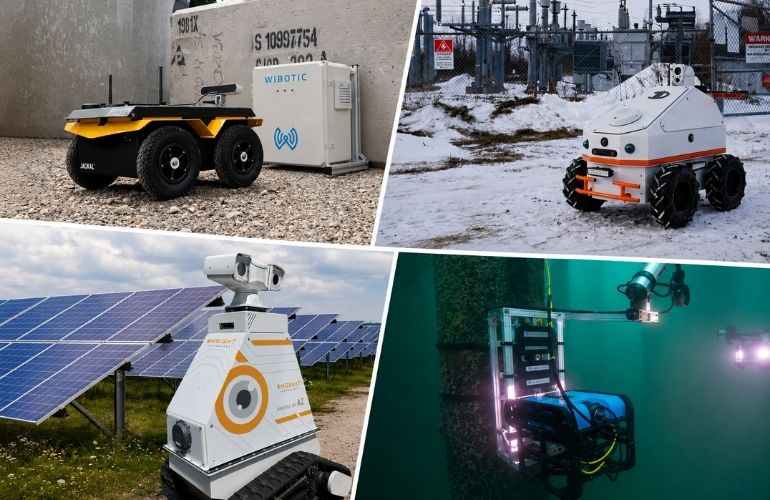
In Robotics, Ruggedization Is No Longer Optional
Ruggedization moving from nice-to-have to table stakes means robotics vendors that can’t survive dust, weather, and abuse will be sidelined outside labs and demos. Buyers should start writing environmental and durability requirements directly into RFPs instead of discovering limits in the field.
 Robotics & Autonomy
Autonomous vehicle hype is back, and Humble Robotics is bringing it to freights
Freight-focused autonomy coming back into vogue—with veterans from the 2016 cycle—suggests capital believes the tech and unit economics have improved. If you run logistics-heavy operations, start mapping which lanes could be candidates for AV pilots before pricing power shifts to the new platforms.
 Robotics & Autonomy
Humble Robotics’ CEO says the tech finally caught up to the vision for autonomous vehicles
Claims that “the tech finally caught up” from a freight AV founder signal that teams are betting sensor costs, perception, and planning are now good enough for real lanes. Treat this as an invitation to run tightly scoped pilots—not to rewrite your entire fleet strategy on hype 2.0.
 Robotics & Autonomy
Nvidia is betting on a trillion-dollar robotics boom. Here is the hidden way to trade it.
When Nvidia’s CEO calls humanoid robots a “multitrillion-dollar” opportunity, he’s also telegraphing where the next wave of GPU demand is expected to come from. If you’re in industrial, logistics, or manufacturing, start mapping which workflows could justify high-CAPEX, high-utilization robots over the next 3–7 years.