

UK funds £100m AI biosecurity lab with OpenAI and Anthropic
THE SO WHAT
AI safety is getting institutionalized around concrete domains like biosecurity—£100m from the UK plus up to £200m from OpenAI and Anthropic means real infrastructure, not just frameworks. If you touch biology, health, or lab workflows, assume AI-bio controls and audits will harden over the next 12–24 months.
READ THE SOURCE
MORE FROM THE WIRE
Inside the cyber flaw scramble that brought the AI threat to life
AI-augmented vulnerability research turning a single PHP bug into a 70%-of-the-web event is a preview of what happens when legacy surface area meets automated exploit discovery. Treat every widely deployed, memory-unsafe or legacy component in your stack as an AI-searchable attack corpus and prioritize deprecation accordingly.
 Deep & Emerging Tech
What Biometric Technology Does and Doesn’t Add to Voting
Biometric voting is a trade of paper-based fraud vectors for digital and biometric failure modes — database integrity, spoofing, disenfranchisement at scale. If your product ever touches civic identity, assume biometrics will be demanded politically and start designing for auditability, consent, and rollback paths now.
 Deep & Emerging Tech
NASA’s asteroid Bennu samples reveal a 4.5-billion-year-old secret
Bennu’s mixed-origin material — inner and outer Solar System with Jupiter as a shaper — reinforces that planetary resources and risks are more complex than simple near-Earth rock models. For space and mining operators, this is another nudge toward treating small bodies as heterogeneous supply and hazard environments, not interchangeable targets.
 Deep & Emerging Tech
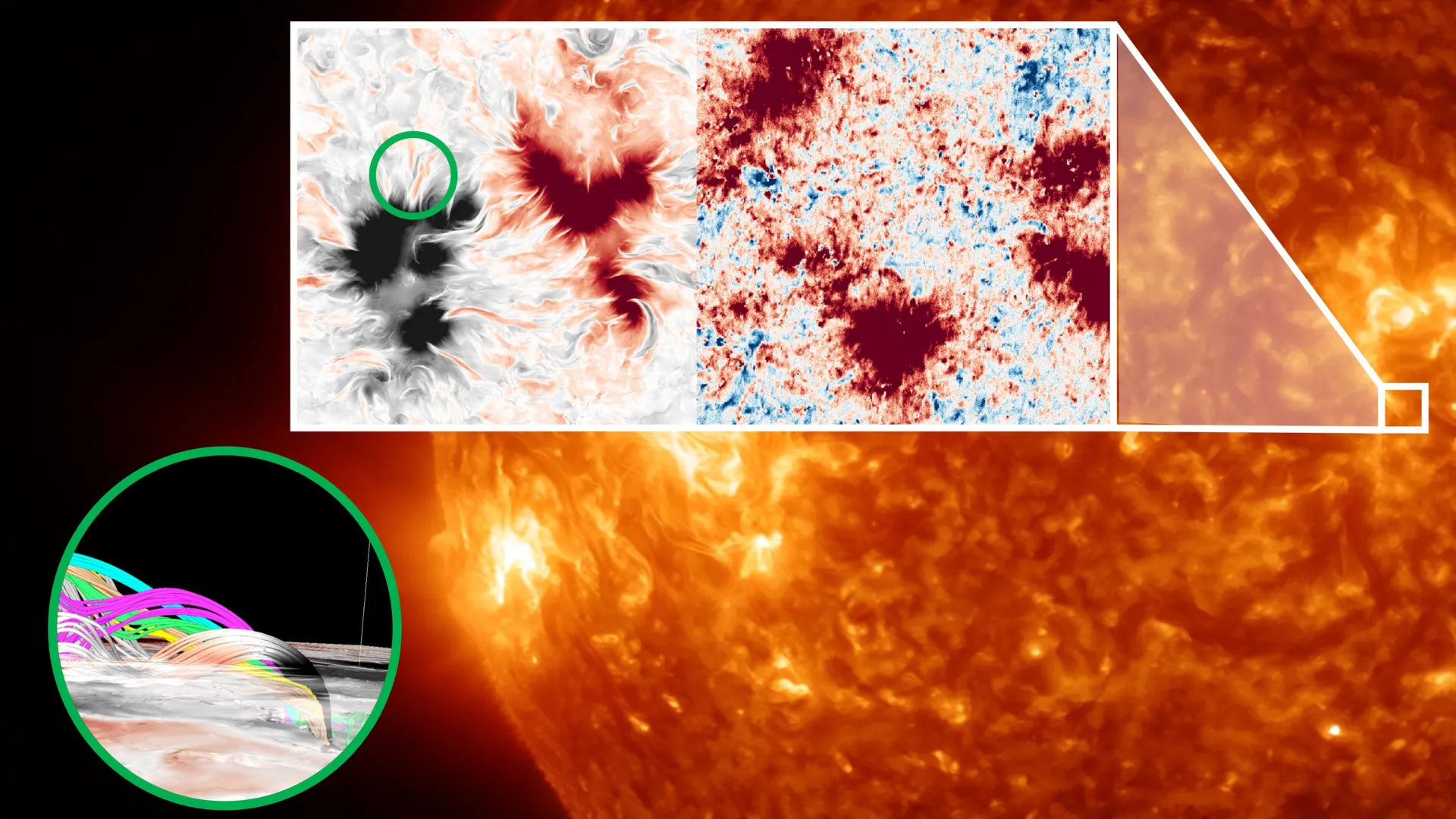
Astronomers uncover a mysterious magnetic web above the Sun
A thread-like magnetic web shaped by surface twisting suggests solar behavior — and therefore space weather — is even more structurally complex than current models assume. Any operator with satellite, aviation, or grid exposure should treat solar forecasting as a live research dependency, not a solved input.