
Ukraine identified a slew of foreign parts in Russia's anti-jamming tech. Over 75% are American.
THE SO WHAT
Finding that roughly three-quarters of the components in Russian anti-jamming systems are from US firms highlights how porous export controls remain across complex electronics supply chains. Defense-adjacent hardware and chip vendors should assume deeper scrutiny on end-use and intermediaries—and plan for abrupt compliance-driven demand shocks.
READ THE SOURCE
MORE FROM THE WIRE
 Deep & Emerging Tech
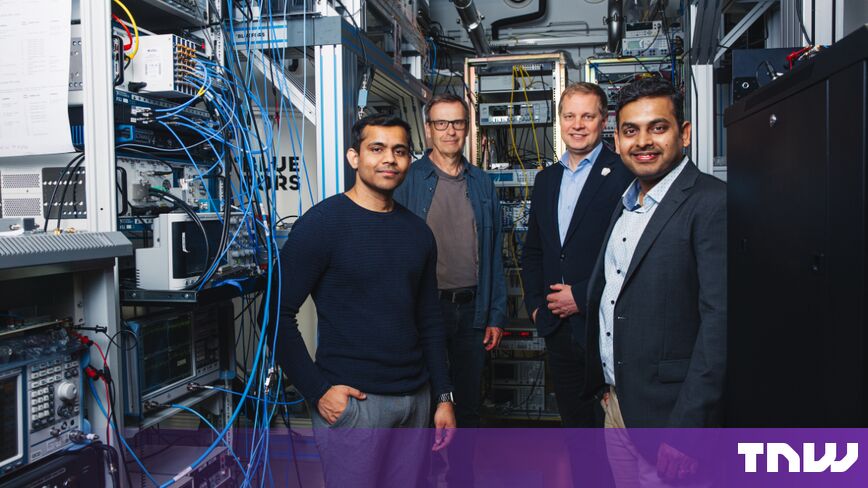
Exclusive: Coherence Quantum raises €2.78M to cut the heat inside quantum computers
The bottleneck in quantum is increasingly the fridge, not the qubits. Hardware teams should read this as a cue to track cryo vendors and integration risk as closely as they track processor roadmaps.
 Deep & Emerging Tech
Chipmakers Lead Korean Stock Selloff on Yield Spike, IPO Stumble
Korean chip names selling off on higher Treasury yields and a weak data-center IPO is a reminder that AI hardware stories are still tethered to macro and capital-market sentiment. If your roadmap assumes ever-cheaper, ever-available GPUs, bake in volatility on both price and financing conditions.
 Deep & Emerging Tech
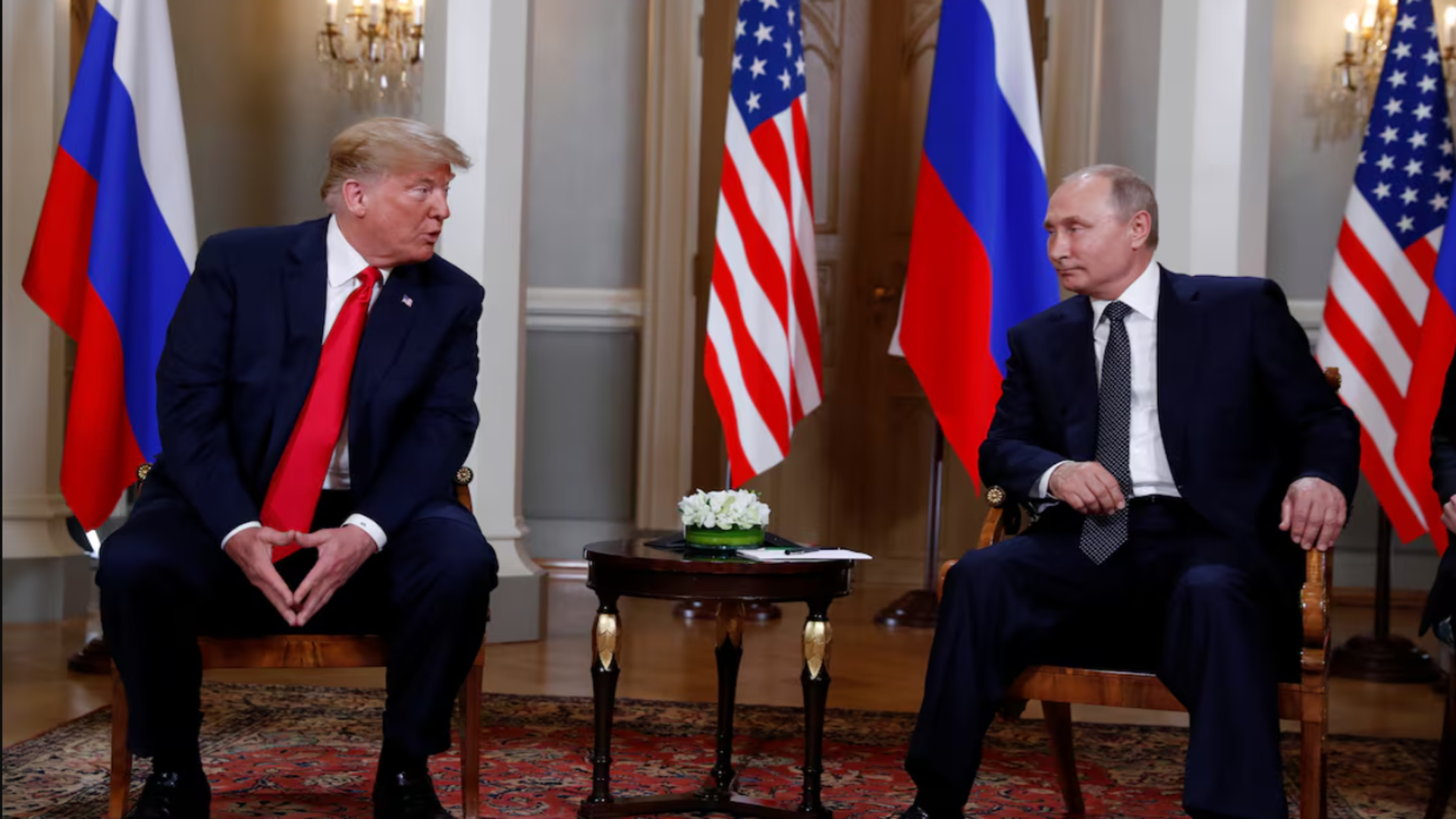
US, Russia to collaborate on nuclear-powered data centers as part of a 'joint project' on small-scale power plants
Nuclear-powered data centers move compute from a cloud procurement problem to a geopolitics and energy-sovereignty problem. If you’re planning multi-decade AI infrastructure, power source, jurisdiction, and political risk now sit alongside chip supply in your dependency map.
Deep & Emerging TechData-Center Firm Elice Plunges 32% in Debut After Korea IPO
A 32% drop on day one for a data-center IPO after raising ₩201B shows public markets are no longer blindly rewarding anything labeled “AI infrastructure.” If you’re building or buying into data-center capacity, assume investors will scrutinize contract quality, utilization, and power economics—not just “AI demand” narratives.