
Ukraine says AI is moving beyond drones and into strike missiles for the first time
THE SO WHAT
AI moving from drones into Ukrainian strike missiles marks another escalation in machine-speed targeting and decision loops. Defense and dual-use vendors should expect tighter export controls, more complex compliance, and customers asking hard questions about where autonomy stops in their stack.
READ THE SOURCE
MORE FROM THE WIRE
 Robotics & Autonomy
Maven Robotics wants to steal your robot deployment deal
A $100M Series A out of stealth with active deployments is a statement that the bottleneck in robotics is go-to-market and integration, not hardware. If you run warehouses or factories, expect more vendors to compete on deployment speed, financing, and uptime guarantees rather than just robot specs.
 Robotics & Autonomy
How Amazon's Zoox, which has ~100 AVs in its fleet, is utilizing social media influencers, community events, and ad campaigns to compete with Waymo in SF
Zoox leaning on influencers, events, and lifestyle branding to compete with Waymo shows robotaxis are shifting from pure tech race to consumer trust and habit formation. If you’re in AV or adjacent mobility, budget for community operations and marketing as core capabilities, not afterthoughts.
Robotics & AutonomyShield AI on Business Plans
Shield AI leaning into APAC expansion underscores how autonomy software is becoming a regional defense export, not just a U.S. program line item. Dual-use founders should read this as validation that go-to-market in defense now includes coalition politics, export controls, and in-theater integration partners from day one.
 Robotics & Autonomy
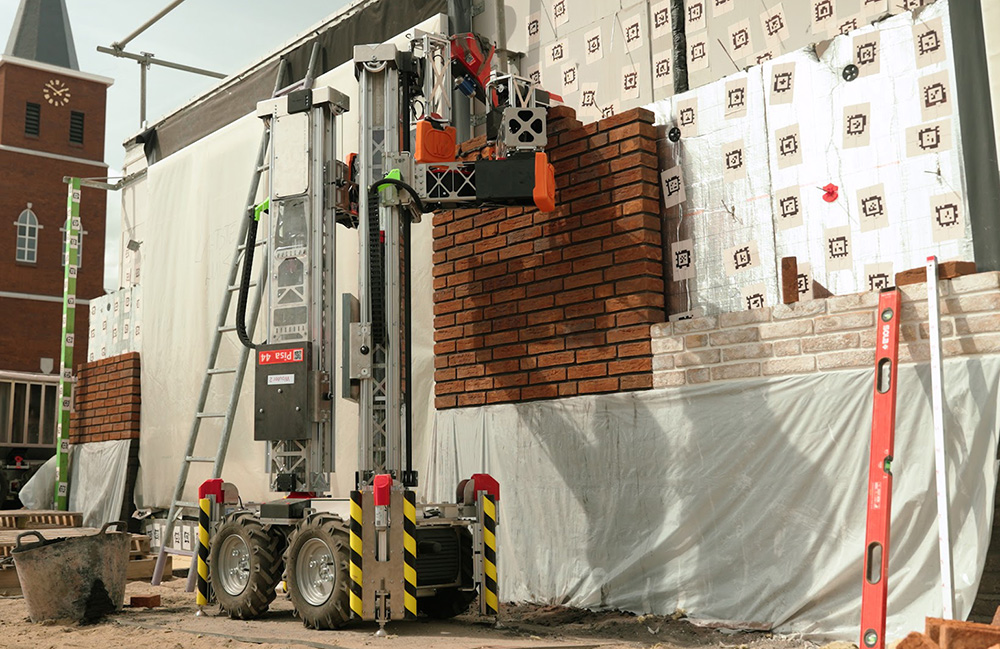
What bricklaying has taught Monumental about robots in construction
Bricklaying is exposing the real constraint in construction robotics—integrating into messy, variable workflows rather than just nailing a single task. If you’re deploying robots on job sites, design for incremental insertion into existing trades and scheduling, not greenfield “robot-only” processes.