
Ukraine's defense companies say soldiers want drones that do more on their own so one operator can control more at once
THE SO WHAT
Battlefield demand is pushing drone autonomy from “assistive” to “multiplicative” — one operator managing a swarm, not a single asset. Civil operators building inspection, logistics, or ag fleets should assume the same expectation curve: human-per-robot ratios will look wildly inefficient within a few product cycles.
READ THE SOURCE
MORE FROM THE WIRE
 Robotics & Autonomy
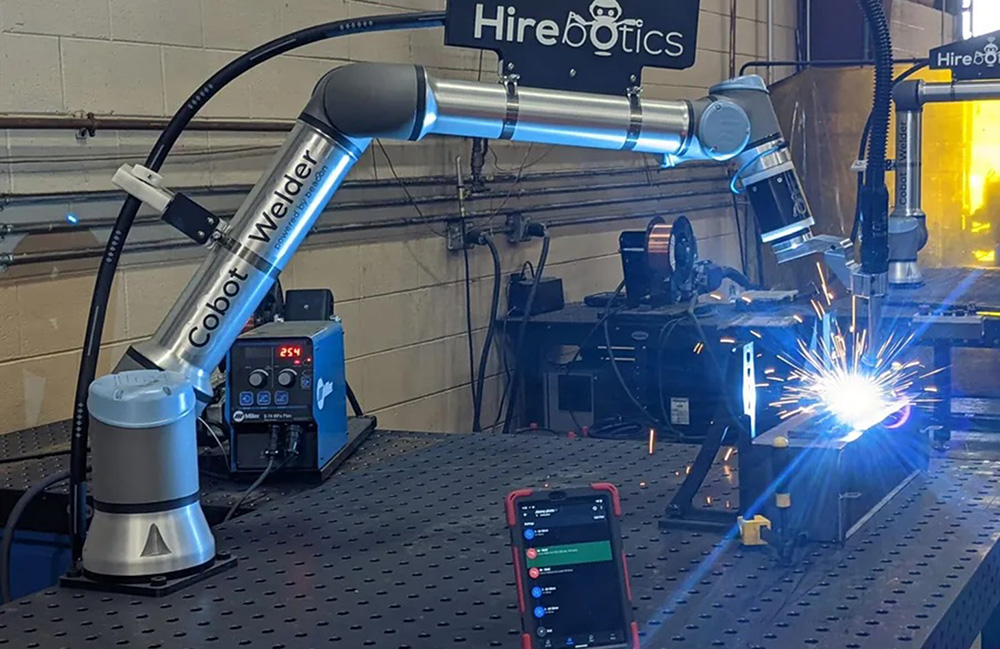
Hirebotics adds line tracking and linear rail capabilities to its cobots
Extending cobots with line tracking and linear rails turns them from point tools into cell-level automation that can cover more stations without re-fixturing. For manufacturers, this reduces the number of arms needed per line and makes retrofits to existing conveyors more attractive than full system overhauls.
 Robotics & Autonomy
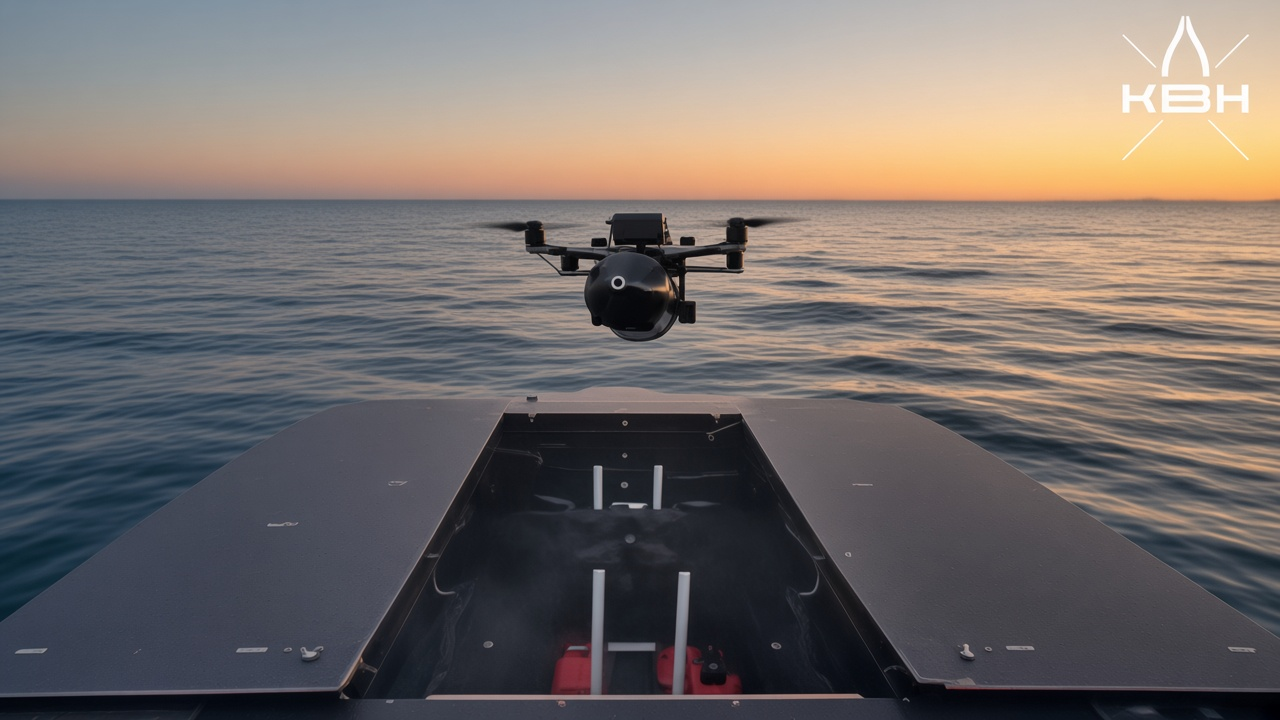
10 boats in one van: Russia goes DIY with a plywood vessel that can be built in 4 hours and can carry 4 fiber-optic UAVs
Cheap, flat-pack, screwdriver-assembled plywood boats that carry four fiber-optic UAVs each show how fast lethal autonomy is moving toward disposable, modular kits. Defense and critical-infra operators should assume low-cost, high-volume swarms are now a logistics problem, not a procurement bottleneck.
 Robotics & Autonomy
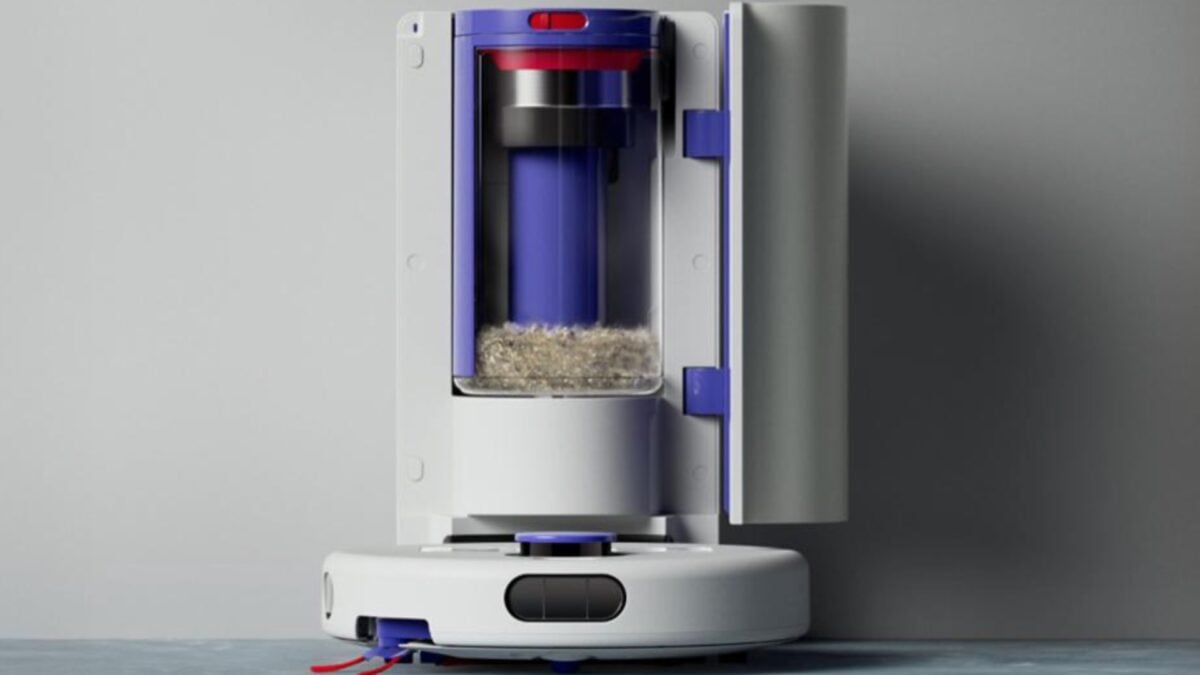
Dyson’s Latest Robovac Is Ideal for People Who Don’t Care About Mop-Bots
The robovac market is segmenting by task and price—vacuum-only with premium navigation at a discount is a bet that many households don’t need full-floor wet cleaning. For home robotics, specialization plus strong UX may beat “do everything” feature creep in the near term.
 Robotics & Autonomy
The picks-and-shovels strategy behind the robotics boom
The real money in robotics right now is in packaging, integration, and vertical-specific tooling—not humanoids. If you’re selling into automation, focus on being the layer that turns general-purpose robots into reliable SKUs for specific jobs.