

Ukraine’s drones still lose Starshield above 161 km/h, Zelenskyy says
THE SO WHAT
A hard speed cap on Starshield connectivity shows how physical performance envelopes can be dictated by comms constraints, not airframes—above 161 km/h, Ukraine’s interceptor drones reportedly lose both Starlink and the target. For anyone building or buying autonomous or remotely piloted systems, link budget and service policy now belong in the same spec sheet as range and speed.
READ THE SOURCE
MORE FROM THE WIRE
When AI and robots work together, Anthropic says these jobs are at risk. Should gardeners worry?
Robotics research is moving the automation frontier from screen work into physical, repetitive tasks—logistics, cleaning, basic maintenance—while messy, unstructured jobs like gardening stay safer for now. If you run a labor-heavy operation, your near-term exposure is in standardized workflows, not bespoke field work.
 Robotics & Autonomy
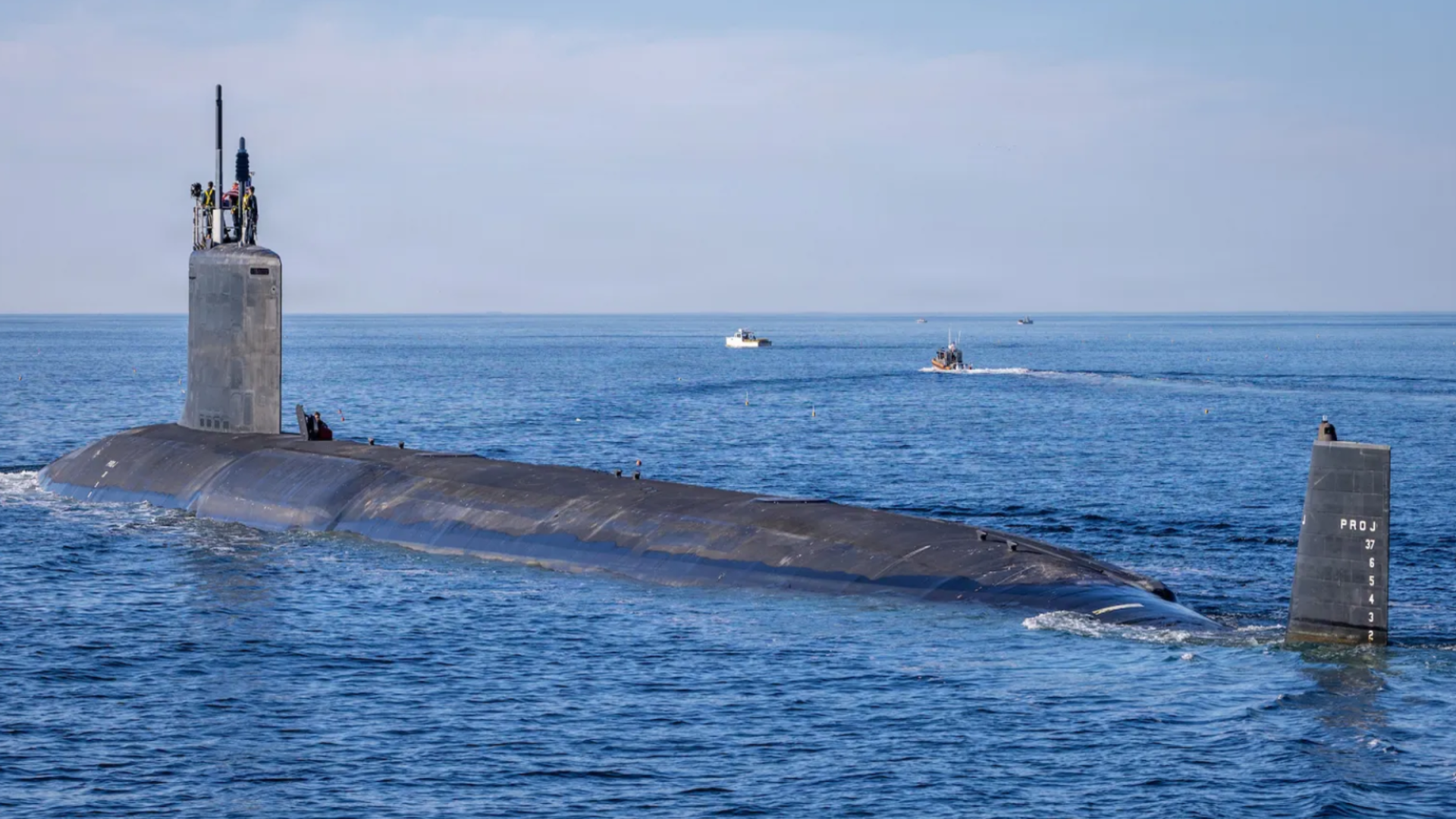
The UK Navy wants to use this cheap, eco-friendly system against drones — high-pressure fire hoses chosen to protect nuclear submarine fleet as 'last line of defence'
When a nuclear sub base is training crews to use fire hoses on drones, it shows how quickly low-cost autonomy is eroding traditional perimeter defenses. Critical infrastructure operators should be reassessing last-mile physical security—cheap, resilient countermeasures now matter as much as high-end detection.
 Robotics & Autonomy
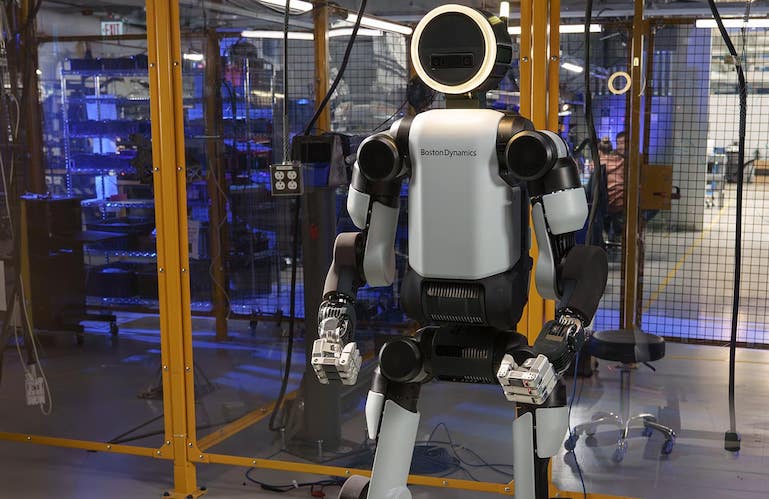
The rise of the machines is canceled: Why humanoids with AI are helpers, not enemies
The real shift with humanoids isn’t sci-fi threat, it’s labor substitution in human-designed environments—factories, warehouses, and logistics where form factor compatibility matters. If your operations are built around human ergonomics, you should be mapping which tasks a general-purpose helper could take over once reliability crosses your threshold.
 Robotics & Autonomy
Why opportunity charging is winning as robot fleets scale
As robot fleets grow, charging becomes a routing and utilization problem—opportunity charging bakes energy management into fleet orchestration instead of treating it as downtime. If you’re scaling mobile robots, your real constraint may be power logistics and charger placement, not robot count.