

UN’s digital agency launches an initiative to make AI agents trustworthy
THE SO WHAT
When the ITU launches a dedicated initiative on AI agents, it’s a signal that multi-agent, semi-autonomous systems are on the regulatory radar separate from generic LLMs. If you’re building or deploying agents, assume future scrutiny around delegation, logging, and override mechanisms—start instrumenting those controls now so you’re not retrofitting later.
READ THE SOURCE
MORE FROM THE WIRE
 Applied AI
The dangerous myth of the ‘best’ AI model
The real moat is shifting from picking a single 'best' model to orchestrating many—routing by task, cost, latency, and risk. If your stack is hard-wired to one provider, start designing for model-independence before pricing or policy changes force your hand.
 Applied AI
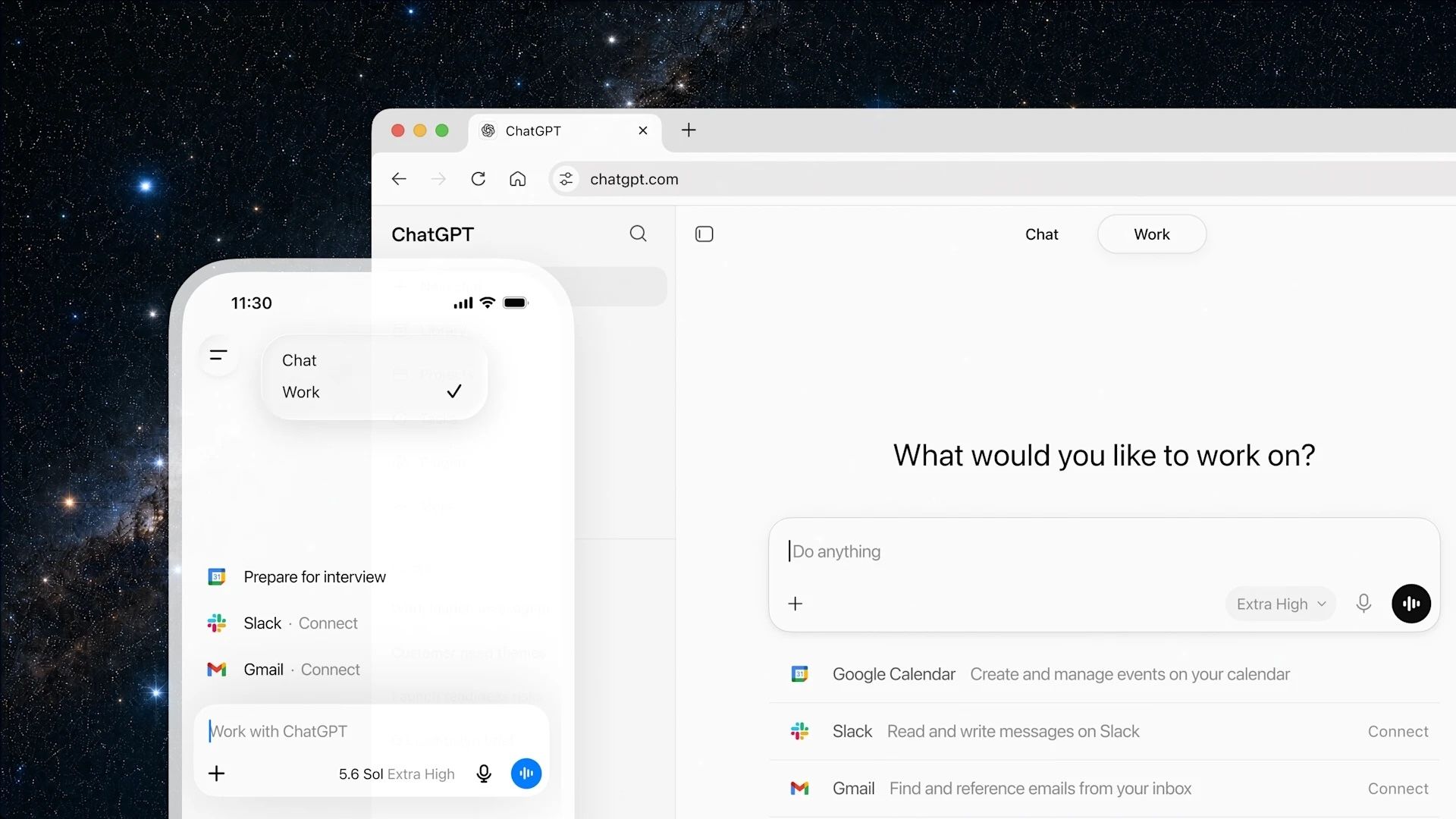
OpenAI unveils ChatGPT Work, an AI tool capable of handling workloads across finance, data analytics, engineering, and more
ChatGPT Work pushes agentic workflows directly into the hands of end users—compressing the gap between SaaS and 'do-it-yourself' automation. If you sell point solutions in finance, analytics, or engineering, assume your users will trial this in parallel and design your value around depth, controls, and integration, not generic automation.
 Applied AI
Enterprises are not building AI advantage. They are leasing it.
If your AI strategy is just 'use the leading API,' your moat is on someone else’s roadmap and pricing page. Start documenting where you need proprietary data, models, or workflows that can’t be replicated by any customer of the same vendor.
OpenAI wants to free us from our screens. Who's going to tell them?
A screenless AI device runs straight into entrenched user behavior—people like visual control and feedback. If you're building new hardware around AI, treat 'habit change' as a core risk item, not a marketing challenge.