
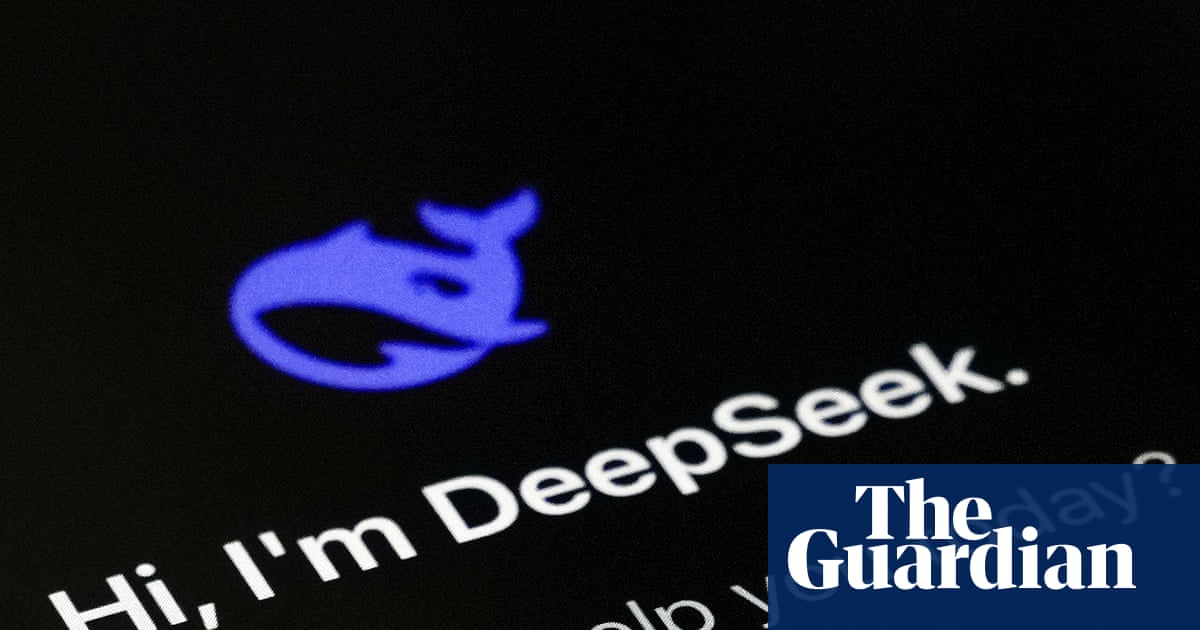
US bans use of China’s DeepSeek AI tools by government agencies
THE SO WHAT
The US ban on DeepSeek tools for government use hardens the precedent that AI vendors are being treated as national-security infrastructure, not just software suppliers. If you sell into regulated or public sectors, expect origin, data residency, and model supply-chain questions to move from procurement fine print to day-one gating criteria.
READ THE SOURCE
MORE FROM THE WIRE
 Applied AI
Partnering with Blacksmith
If agents can write production-scale code, the new bottleneck is proving that code is safe, performant, and compliant at the same speed. Expect “agent-era CI/CD” vendors like Blacksmith to become a required layer in any serious agent deployment, not a nice-to-have devtool.
 Applied AI
Spotify pulled 50 million AI slop and spam tracks from its recommendations
Fifty million AI spam tracks getting pulled means recommendation systems are now content moderation systems at scale. Any platform that allows generative uploads needs an explicit anti-spam and provenance strategy or its core UX will quietly degrade.
 Applied AI
Figma co-founder Dylan Field thinks MCP is not a perfect protocol
Figma signaling that MCP isn’t “perfect” while promising to support multiple standards is a reminder that no one wants a single agent integration choke point. If you’re betting on MCP, design your extensions so they can be exposed via at least one other protocol without a full rewrite.
 Applied AI
Pangram review: A polished AI detector that gets the basics right
Tools like Pangram that are strong on fully AI-generated text but weaker on hybrids underscore how brittle AI detection still is. If your compliance model assumes you can reliably detect AI content, you’re carrying more risk than your policies admit.