
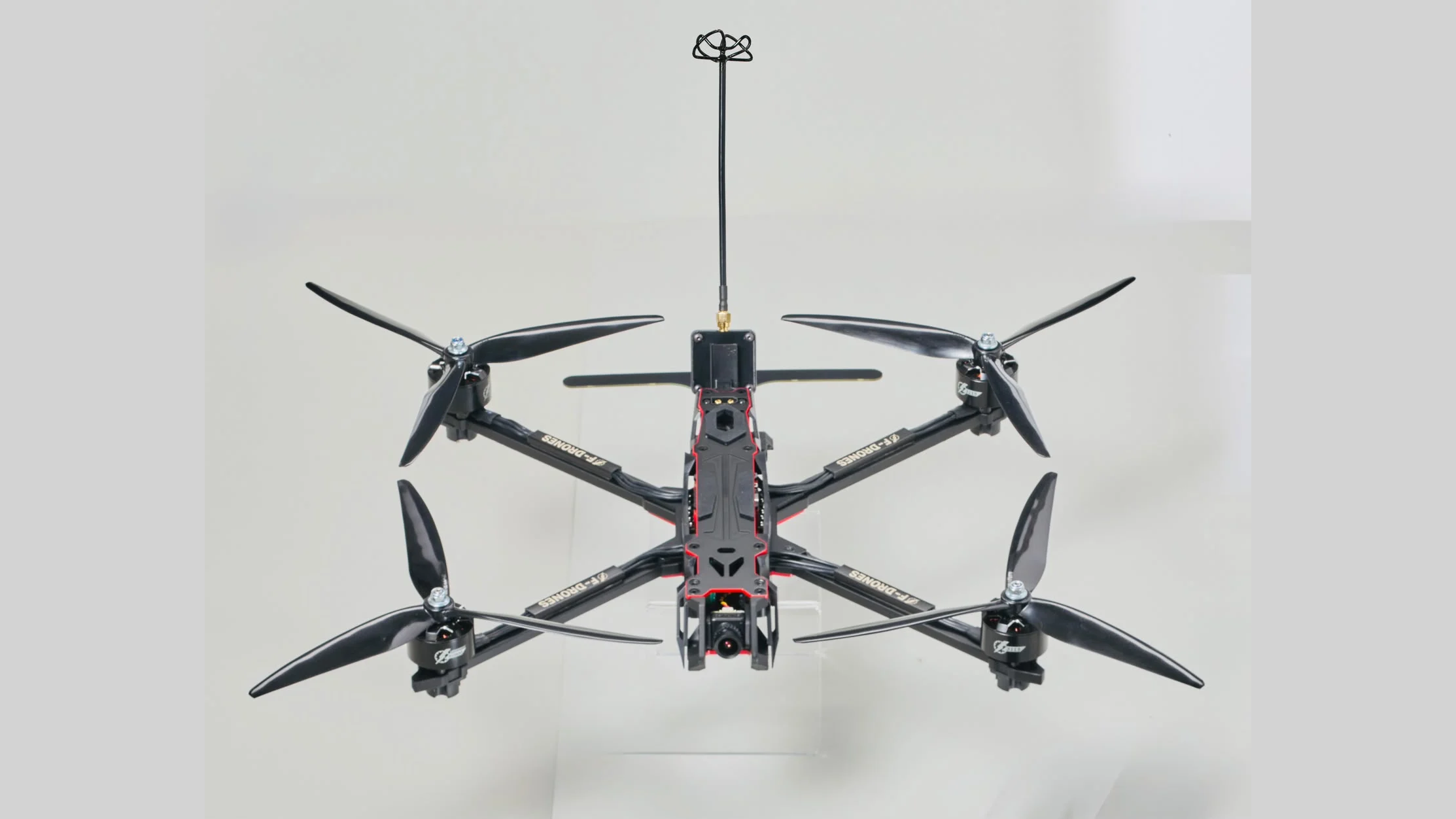
US bought 2000 F-Drones F10 attack UAVs from Ukraine as the Pentagon moves to the next phase of the billion-dollar 'drone dominance' program, with the legacy US military-industrial complex cautiously looking
THE SO WHAT
The Pentagon buying 2,000 Ukrainian F10 attack drones is another data point that low-cost, exportable UAVs are now core to Western defense planning, not a stopgap. Defense and dual-use founders should assume procurement cycles are shifting toward modular, rapidly iterated drone platforms rather than a few monolithic programs.
READ THE SOURCE
MORE FROM THE WIRE
 Robotics & Autonomy
TechCrunch Mobility: A robotaxi ultimatum
Robotaxis are shifting from tech curiosity to regulatory and capital ultimatum—cities and OEMs are being forced into explicit yes/no positions instead of indefinite pilots. If your product depends on AV adoption, assume uneven geography and binary market access rather than smooth national rollout.
 Robotics & Autonomy
Navy Chief Backs Bigger NATO Role
The US Navy leaning harder on NATO while accelerating autonomous systems is a signal that allied interoperability and unmanned platforms are now core design constraints, not edge experiments. Defense and dual-use vendors should optimize for plug-into-NATO architectures and unmanned-first concepts of operation, not just US-only programs.
 Robotics & Autonomy
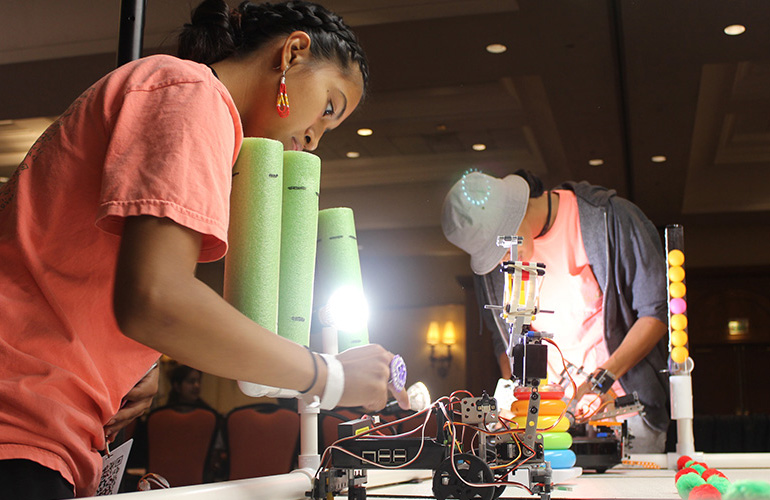
STEM education in the classroom, introducing BotBall
Student-run autonomous robotics like Botball shifts STEM from theory to systems thinking—sensing, actuation, and code under constraints. If you hire junior engineers, expect a cohort that’s more comfortable with embodied autonomy than with pure web CRUD.
 Robotics & Autonomy
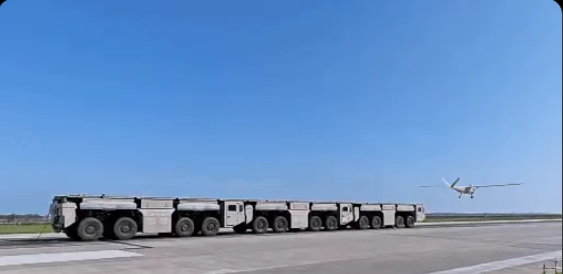
No runway, no problem: China demonstrates drone catapult made up of three trucks that interlock like Lego bricks and come in shipping containers
Modular truck-based catapults turn large drones into a containerized asset class — deployment becomes a logistics problem, not an airfield problem. If your operations depend on fixed infrastructure, assume your counterparties are modeling scenarios where mobility and deniability go way up.