

US safety regulator says it is evaluating Tesla’s Cybercab rollout
THE SO WHAT
NHTSA evaluating Cybercabs a day after launch reinforces that robotaxi deployments are now continuous regulatory dialogues, not one-time approvals. Any AV operator should design telemetry, incident reporting, and software update pipelines assuming real-time oversight is part of the product surface.
READ THE SOURCE
MORE FROM THE WIRE
 Robotics & Autonomy
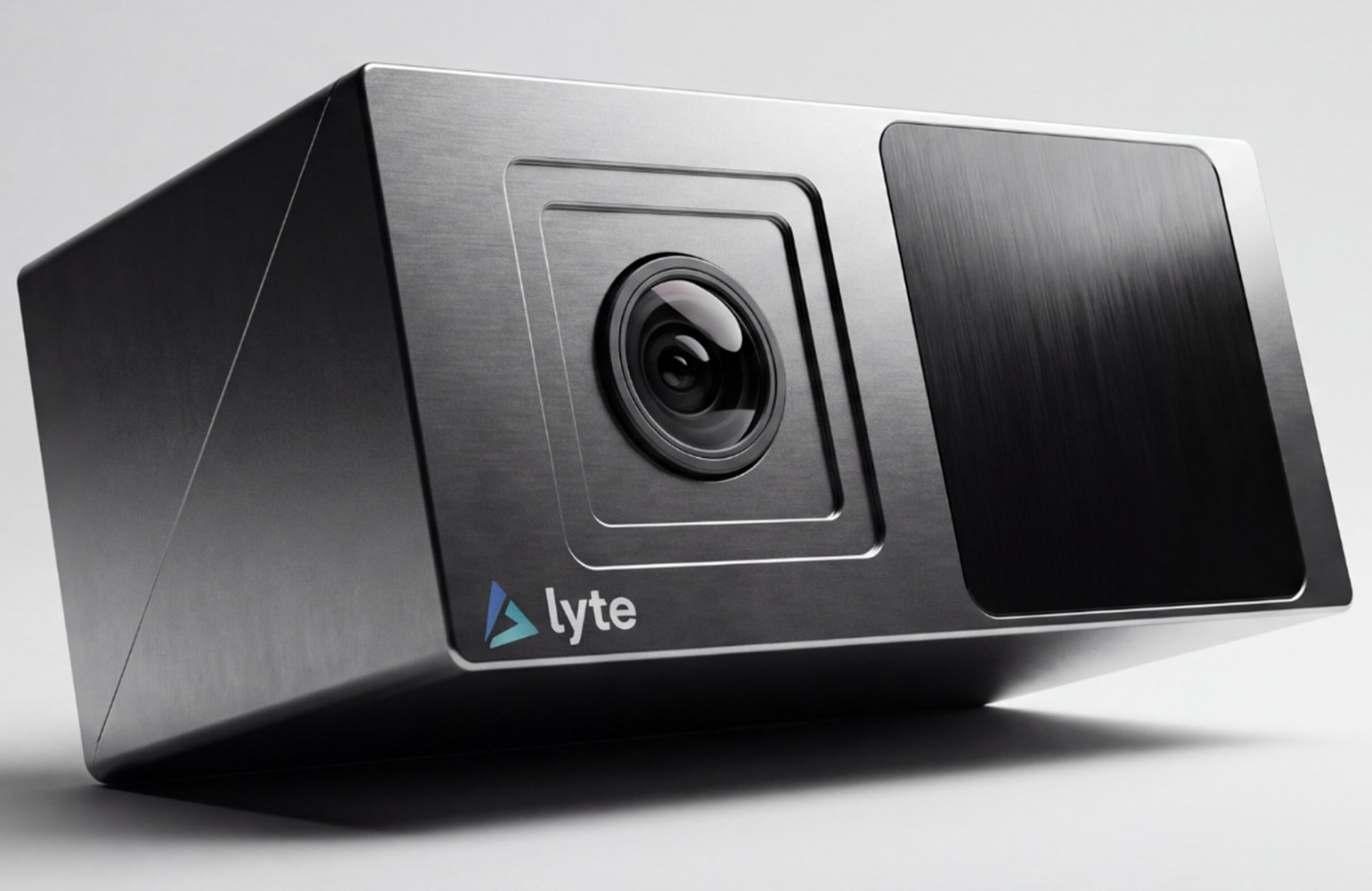
Lyte raises $165M to help robots better sense their surroundings
Another $165M into Lyte’s AI perception stack underlines that sensing, not mechanics, is still the gating factor for many robot deployments. If you're evaluating automation in warehouses or factories, scrutinize perception capabilities and edge compute requirements as hard as you do the robot form factor.
 Robotics & Autonomy
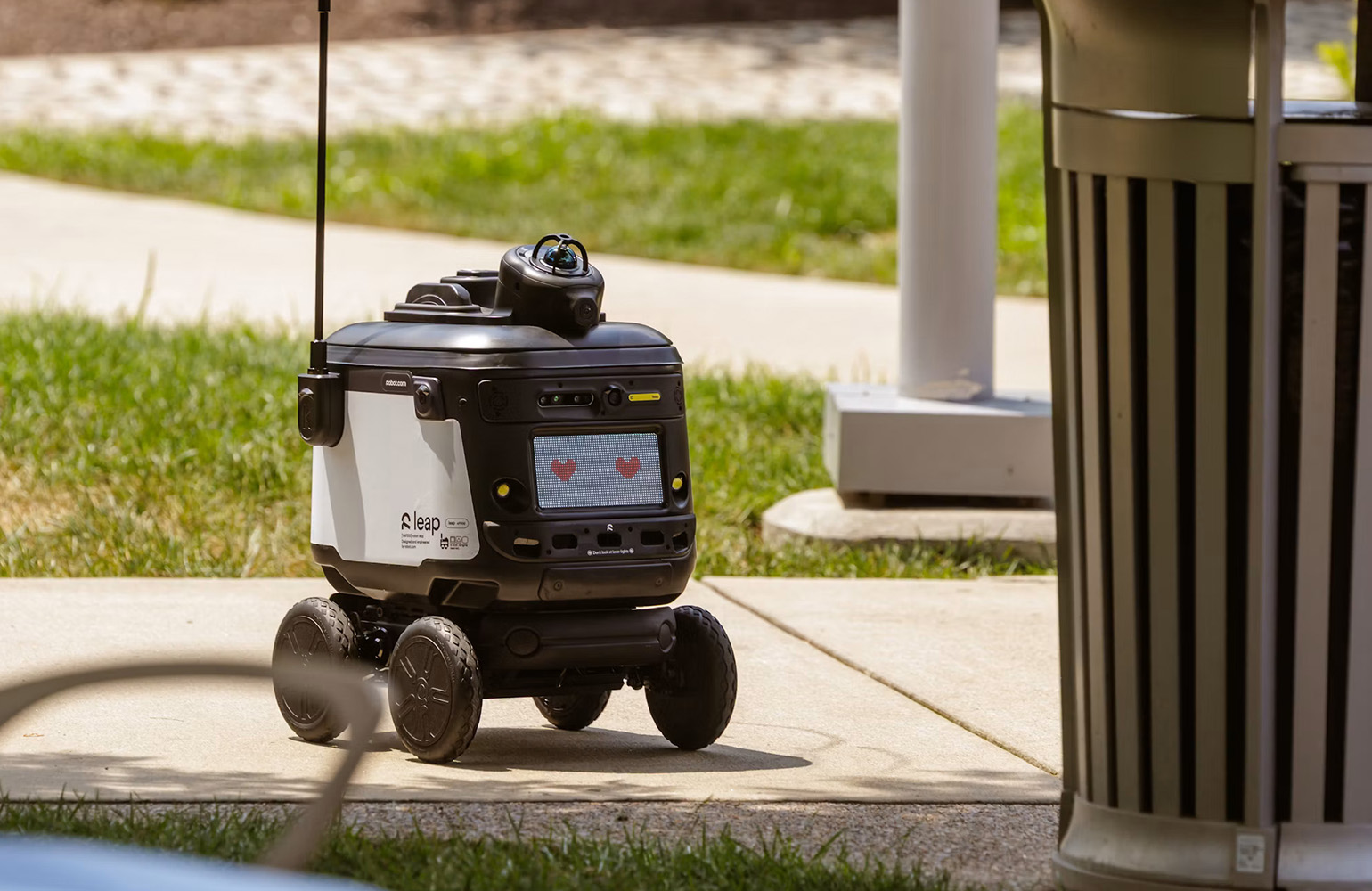
Robot.com partners with Sodexo to roll out more sidewalk delivery robots
Campus food delivery is becoming a real autonomy proving ground — Sodexo’s footprint gives sidewalk robots dense, repeatable routes and a clear payback model. If you run multi-site food or retail operations, it’s time to benchmark last-mile costs against autonomous pilots, not just human couriers.
 Robotics & Autonomy
Tesla Cybercab finally hits the roads after two-year wait — but I’m not convinced its driverless cars will catch Waymo, whatever the Robotaxi data says
A million robotaxi miles in Austin versus Waymo’s scale underscores how local and data-hungry autonomy still is. City-by-city regulatory wins and safety records matter more to your deployment timeline than any single OEM’s launch narrative.
 Robotics & Autonomy
Tesla’s stock falls as Cybercab launch lands with a thud
The market’s reaction to a narrower-than-hyped Cybercab rollout is a reminder that autonomy narratives are now priced against concrete deployment scope. If your roadmap leans on AV timelines, assume investors and partners will discount anything that isn’t city-level coverage with clear unit economics.