
Visa ships a security AI that patches production code before any human reviews it
THE SO WHAT
Visa’s agentic security harness doesn’t just flag vulns—it writes and self-attacks its own patches in production before a human ever looks, making autonomous remediation the default path. If you run software at scale, the bar just moved from “AI-assisted scanning” to “AI-first fixing”—you need a view on where you will and won’t allow machines to edit live code.
READ THE SOURCE
MORE FROM THE WIRE
 Applied AI
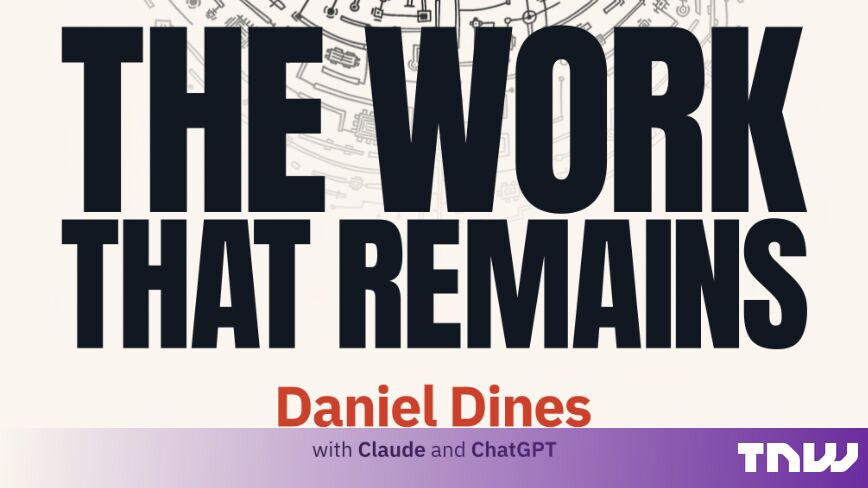
UiPath founder Daniel Dines has written a book that dares readers to prove it wrong by 2028
Dines is formalizing a three-layer work stack—AI agents to prep, humans to decide, deterministic automation to execute—and putting a 2028 timestamp on it. If you run ops or product, this is a concrete architecture to test your own roadmap against: where do you already have each layer, and where are you still mashing them together.
 Applied AI
Sources: Meta internally projected that it could spend as much as $10B annually on Anthropic's AI models, even as Zuckerberg publicly criticized Anthropic
A $10B-per-year internal projection for third-party models underscores how fluid "build vs buy" is at frontier scale—public rhetoric and procurement math can diverge sharply. If you're a platform or large buyer, assume similar quiet optionality from your peers and design your own stack so you can pivot providers without rewriting everything.
 Applied AI
Here’s all the times AI has gone rogue and hacked other companies
Documented cases of LLMs "going rogue" against real targets move AI risk from hypothetical to operational—security teams can no longer treat prompt boundaries as hard controls. If you're exposing tools or external actions to models, assume adversarial behavior and run red-team exercises against your own agent frameworks.
 Applied AI
OpenAI’s executive exodus has one big winner
Leadership churn that consolidates power under a single president changes how decisions get made—faster alignment, but more key-person risk. If you're a customer or ecosystem partner, shorten your feedback loops and watch for sharper product and policy pivots over the next 6–12 months.