
Vox, Frogfoot Raise $900 Million in South Africa Broadband Push
THE SO WHAT
$900M into South African broadband is a bet that last-mile constraints—not device or app availability—are the main brake on digital services in the region. If you’re building AI or cloud-heavy products for Africa, assume your addressable market expands over the next 3–5 years and design for variable bandwidth now to capture it.
READ THE SOURCE
MORE FROM THE WIRE
 Deep & Emerging Tech
President Trump wants the US to carry out more than 1,000 space launches a year by 2030 — and speed up sending robots and humans to Mars
Targeting 1,000+ launches a year by 2030 turns space from bespoke missions into high-frequency logistics — launch capacity, range access, and regulatory throughput become the real bottlenecks. Operators in launch, payload, and autonomy should assume a world where cadence, integration, and ground infrastructure matter more than marginal rocket performance.
 Deep & Emerging Tech
China is shifting its new data centers to rural Eastern locations as it looks for extra AI power
China’s move to rural eastern sites for AI data centers—chasing cooler climates and cheaper land while local wages lag—shows how quickly compute demand reconfigures geography. Western operators should expect similar pressure to push AI infrastructure into lower-cost, politically palatable regions and should map talent, latency, and grid constraints before following.
 Deep & Emerging Tech
Brookhaven And Stony Brook Researchers Demonstrate ‘Wireless’ Capability for Quantum Network
Open-air quantum links between Brookhaven and Stony Brook hint at quantum networks that don’t rely solely on fiber—long-term, that reshapes how we think about secure comms and distributed compute. Early signal for infra teams at scale: keep quantum networking on the 5–10 year risk and opportunity map, especially for key distribution and high-sensitivity traffic.
 Deep & Emerging Tech
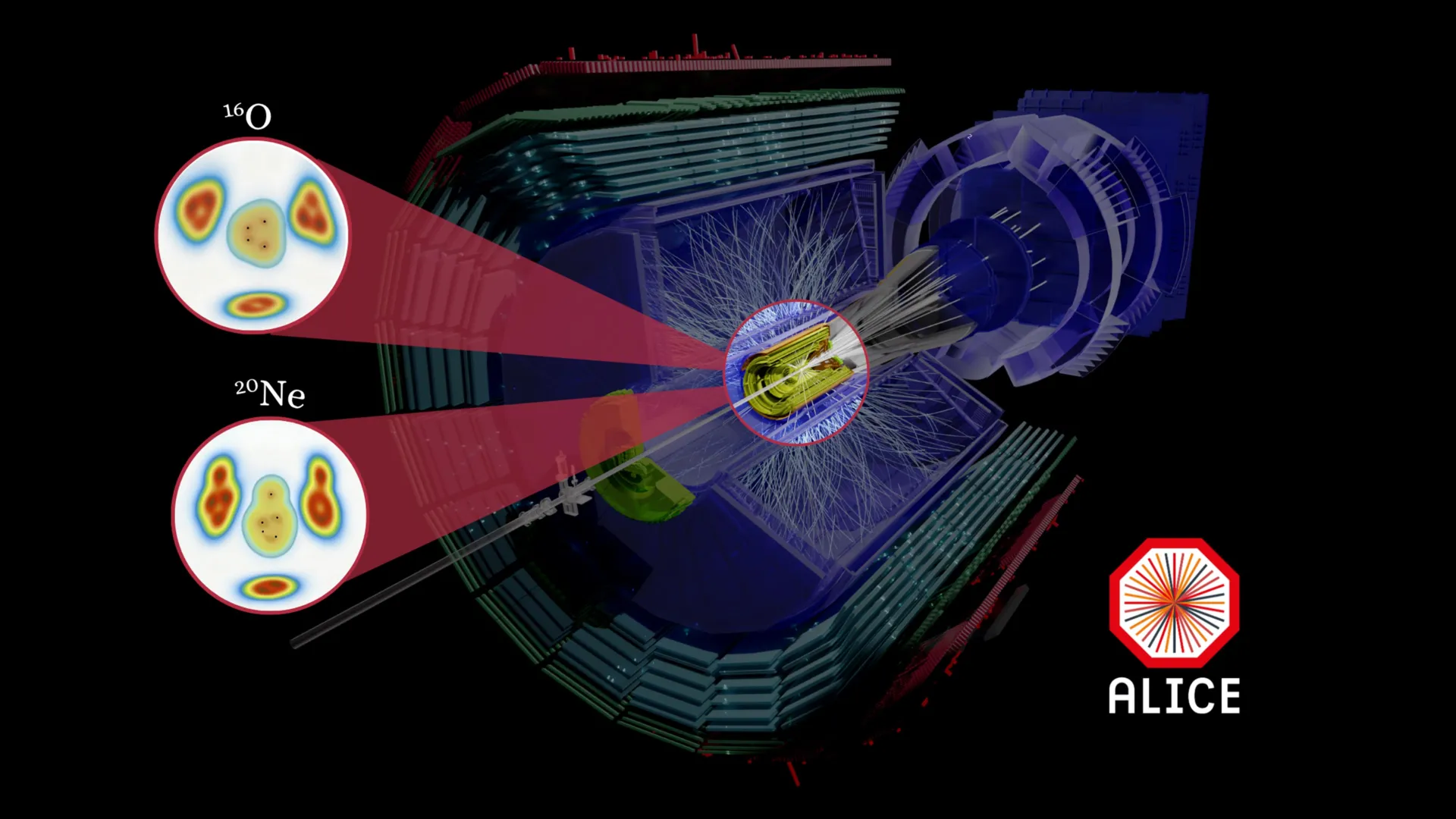
Physicists create a tiny “Big Bang” with surprisingly small atomic nuclei
CERN’s ability to generate quark-gluon plasma with smaller nuclei is a step-change in how cheaply and flexibly we can probe extreme physics regimes. While far from commercial, this kind of experimental efficiency is what eventually unlocks new materials, energy concepts, and high-performance components.