
Wait: Your autonomous Tesla won't drive everywhere just yet
THE SO WHAT
Tesla targeting unsupervised FSD for 2027 but only inside robotaxi geofences is a quiet admission that autonomy will be domain-limited for longer than the marketing suggests. If your logistics or mobility roadmap assumes ubiquitous Level 4/5, re-baseline to geofenced, fleet-owned contexts and keep human-driven flexibility in the plan.
READ THE SOURCE
MORE FROM THE WIRE
 Robotics & Autonomy
The Robot in Unitree’s New Ad Looks Ready to Commit—and Fight—Crimes
Consumer-facing marketing for weaponizable platforms is outrunning governance. If your hardware can plausibly be used for coercion or violence, assume regulators and insurers will eventually treat your ad campaigns as part of the risk surface.
 Robotics & Autonomy
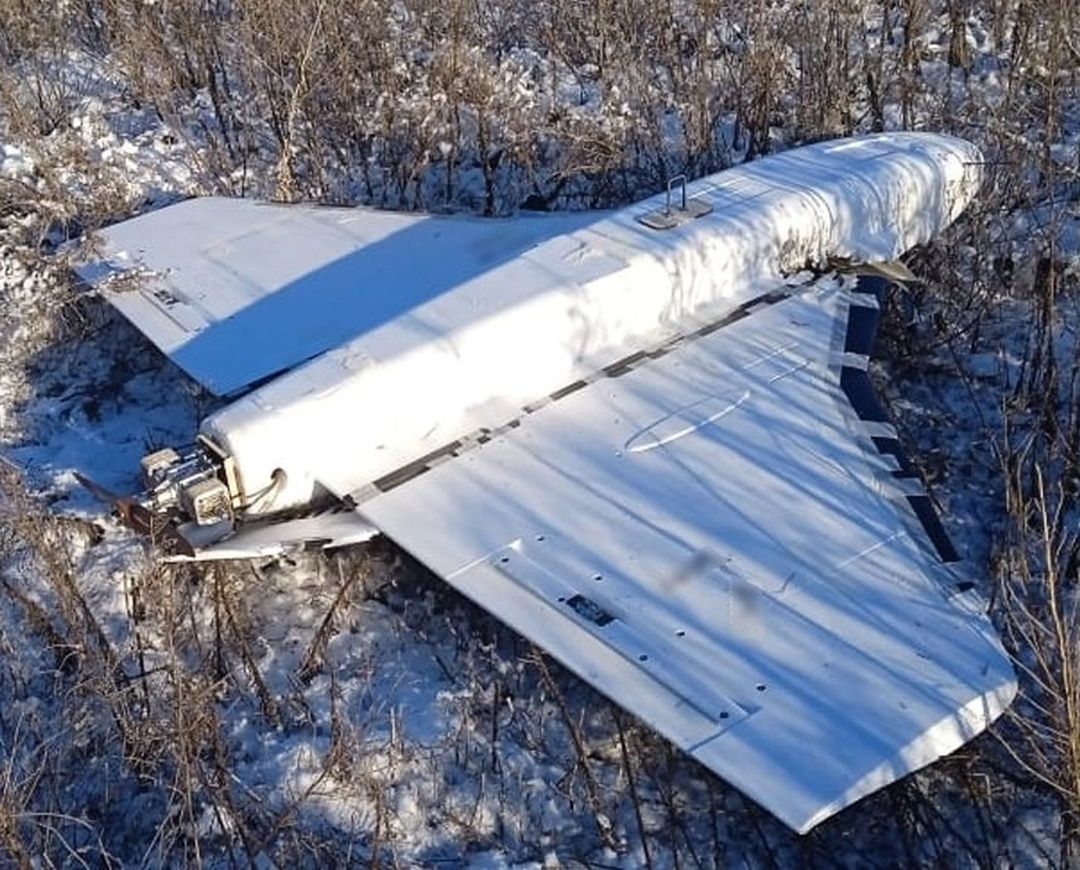
Chinese-made mesh modems are giving Russian drones longer-range control over Ukraine
Off-the-shelf Chinese mesh networking gear showing up in Russian drones is another reminder that dual-use components don’t stay civilian for long. If you ship comms or sensing hardware, assume battlefield adaptation and expect export controls and supply-chain scrutiny to tighten.
 Robotics & Autonomy
Tesla says it will start selling Cybercabs by end of year
Selling a gold, fully autonomous two-seater with no steering wheel while regulators are still probing safety is Tesla forcing the policy and liability question into the market, not the lab. If you operate in mobility or fleet, assume customer expectations around human controls and supervision are about to get stress-tested in public, fast.
Tesla posted a highlight reel of its robotaxi avoiding collisions with rivals Waymo and Avride
Tesla turning near-conflict interactions with Waymo and Avride into a highlight reel shows autonomy is already a marketing battleground, not just a safety and regulator conversation. For operators, the takeaway is that public perception of edge cases will shape deployment timelines as much as technical readiness.