
Waymo Boosts Private Debt Deal to $5 Billion in Push for Growth
THE SO WHAT
A $5B private debt raise for global robotaxi expansion says AV is moving into infrastructure-style financing — long-duration, asset-heavy, and scale-or-bust. If you’re building around urban mobility, treat AV networks as a coming utility layer, not a speculative pilot.
READ THE SOURCE
MORE FROM THE WIRE
 Robotics & Autonomy
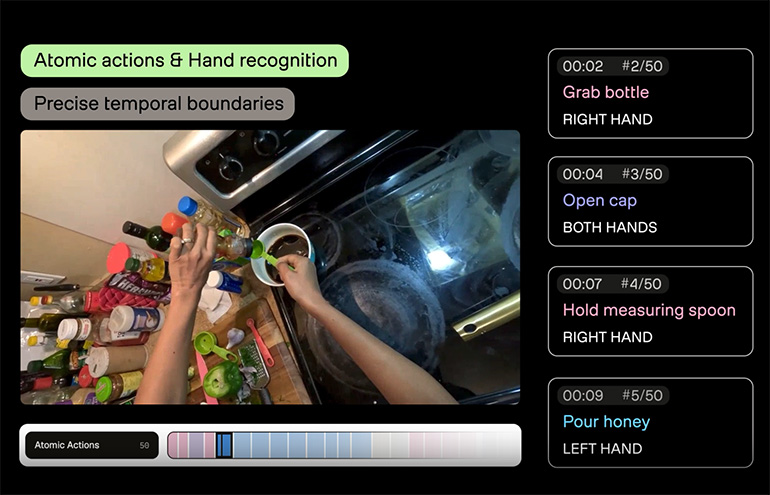
Pegasus 1.6 brings video understanding to physical AI, says TwelveLabs
First-person video understanding tuned for robotics shrinks the gap between perception and policy learning—labeling and simulation pipelines get cheaper and faster. If you’re building physical systems, revisit how much of your data engine can be offloaded to specialized video models instead of bespoke CV stacks.
 Robotics & Autonomy
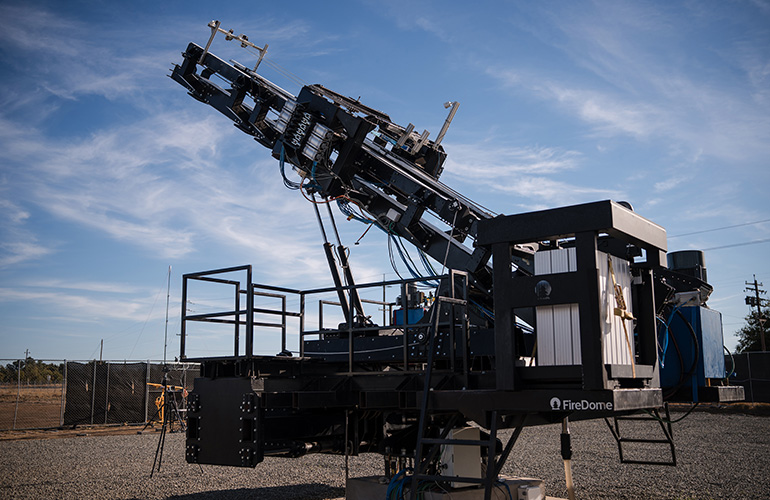
FireDome builds autonomous ‘artillery’ for wildfire defense
Autonomous wildfire ‘artillery’ shifts some disaster response from reactive firefighting to pre-arrival infrastructure defense. Utilities, industrial operators, and municipalities in fire-prone regions should be piloting these systems now — they’re becoming part of the core resilience stack alongside sensors and microgrids.
 Robotics & Autonomy
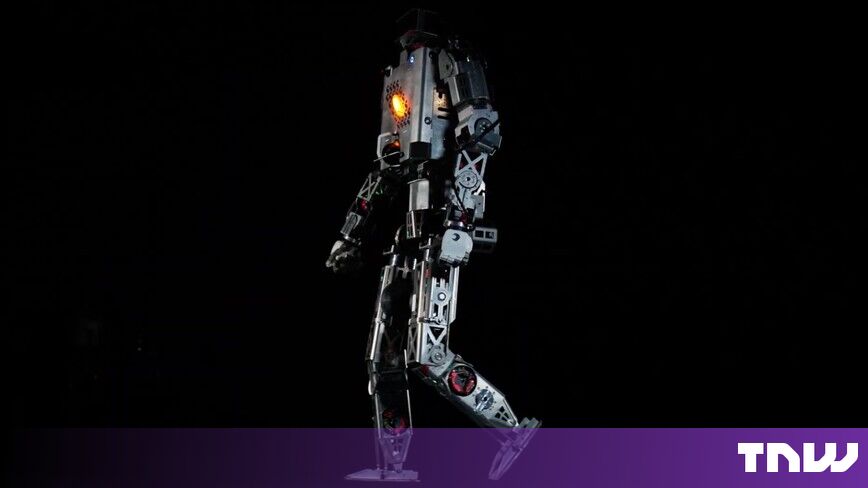
Minerva Humanoids raises $10M for robots that do bomb disposal and rig work
Minerva’s $10M pre-seed for humanoids in bomb disposal and oil rigs is capital flowing into high-risk, high-insurance-cost jobs where robots can clear the way first. Industrial operators in energy and public safety should start mapping which hazardous tasks could move to pilots in the next 24–36 months—this is where regulators will be most permissive.
Russia’s drones are getting faster and deadlier. The West is racing to catch up.
Jet-powered drones forcing a new class of interceptors is a stark reminder that autonomy is now a live battlefield variable, not a lab demo. For dual-use and critical-infrastructure operators, airspace monitoring, counter-UAS tech, and supply-chain exposure to these systems move from theoretical to practical risk planning.