
Waymo Expands Driverless Rides to EU with Germany Debut in 2027
THE SO WHAT
Waymo targeting Germany by end of next year means EU regulators and insurers are about to get real‑world data on driverless risk, not just simulations. Urban mobility players should plan for a scenario where robotaxis become a regulated, standardized option in major European cities within a couple of years.
READ THE SOURCE
MORE FROM THE WIRE
 Robotics & Autonomy
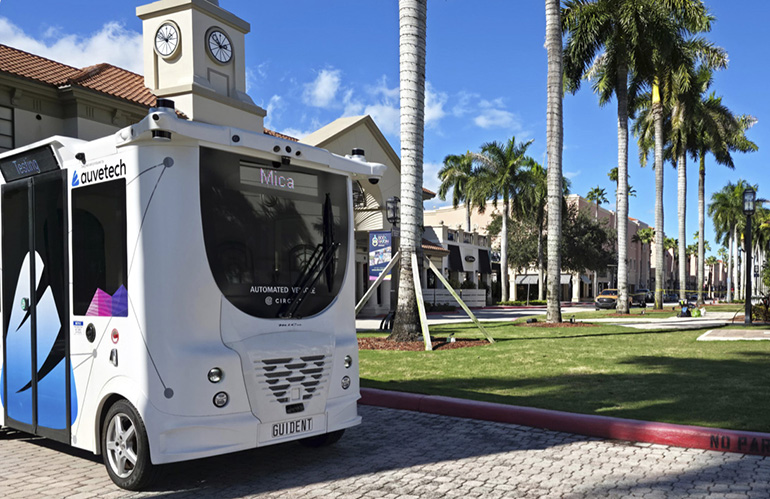
Humans in the loop are still needed for robotaxi fleet safety, says Guident
Persistent human-in-the-loop requirements for robotaxis mean autonomy is an ops problem as much as a perception problem—remote oversight becomes part of the cost structure. Fleet operators should model hybrid supervision centers as core infra, not temporary scaffolding.
 Robotics & Autonomy
Jetson Orin Nano 2 doubles inference performance for robotics on the edge, says NVIDIA
Doubling edge inference on a Nano-class module compresses the tradeoff between cloud and on-device autonomy—more perception and planning can now live on the robot without a connectivity tax. If you’re scoping robotics or vision workloads, revisit what you assumed needed a datacenter versus what can now run at the edge.
 Robotics & Autonomy
Waymo is coming to Munich, with commercial service targeted for late 2027
Waymo mapping Munich now for a 2027 launch shows EU robotaxis are moving from thought experiment to dated rollout plans. City operators and mobility platforms in Europe should start modeling what happens when a non‑human fleet competes on airport and downtown rides within 24–36 months.
 Robotics & Autonomy
A robot that takes blood could be the best AI health story of 2026
A blood-draw robot cutting median procedure time from ~5 minutes to 1:49 is a concrete example of AI plus robotics attacking narrow, high-volume clinical tasks. Hospital and clinic operators should start mapping similar repeatable procedures where throughput and staffing are chronic bottlenecks.