
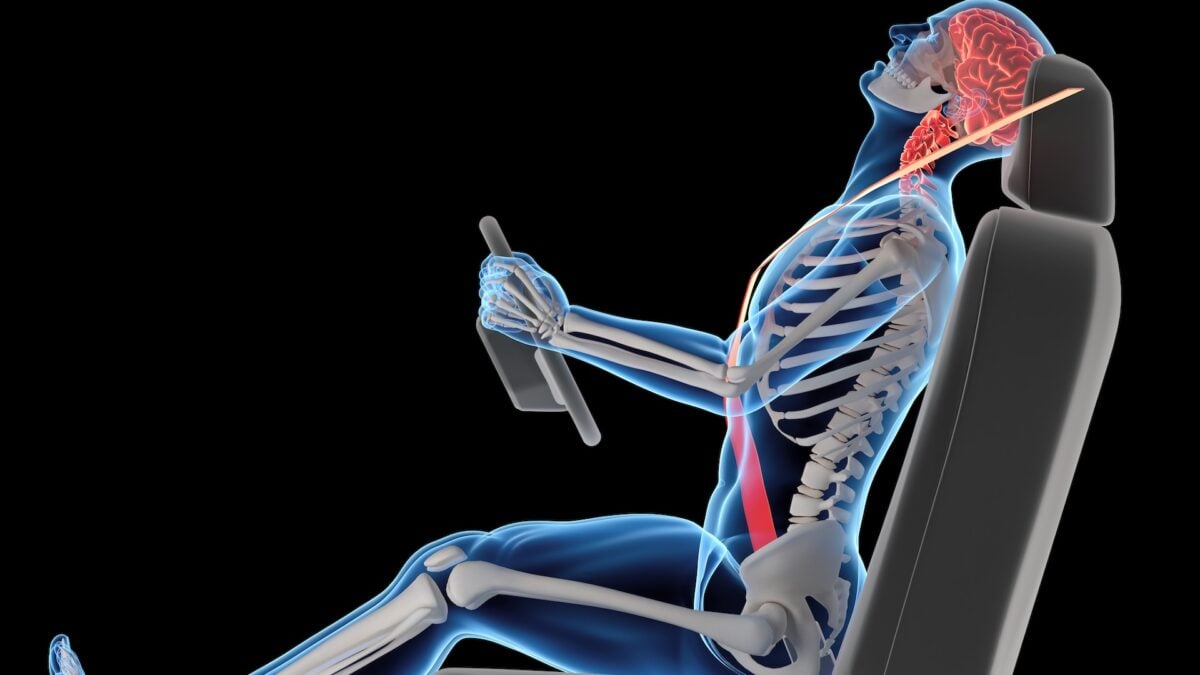
Waymo, Zoox Vehicles Still Causing Injuries to Test Drivers: Report
THE SO WHAT
Sprains, back pain, and whiplash in test drivers highlight that AV edge cases aren’t just statistical—they’re occupational health issues. If you’re running autonomy pilots, treat human safety and ergonomics data as a first‑class metric alongside disengagements, or you’ll inherit both regulatory and labor risk.
READ THE SOURCE
MORE FROM THE WIRE
 Robotics & Autonomy
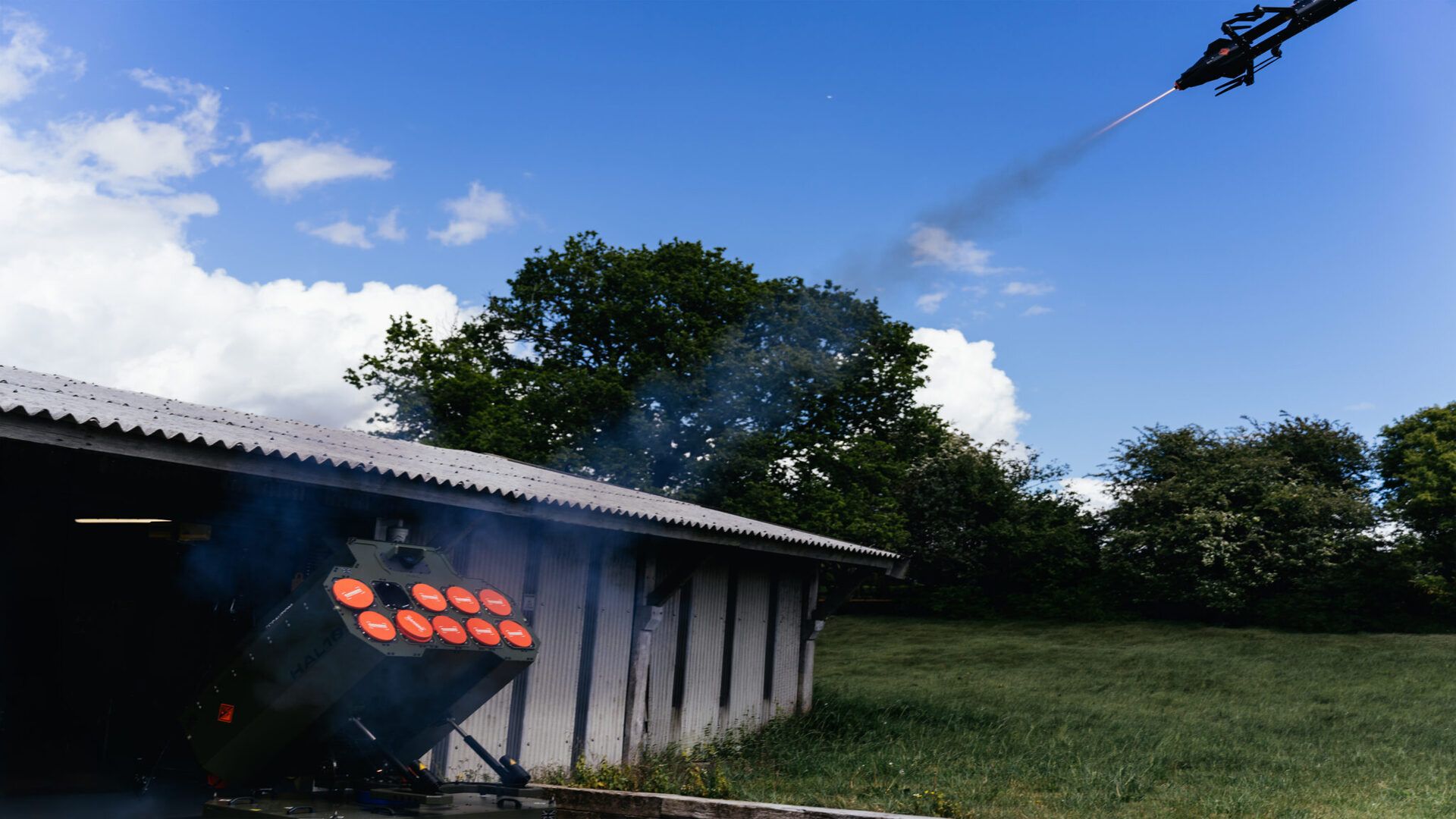
Norway deploys anti-drone C-UAS system to defend air bases hosting its new F-35 jets from threats
Autonomous drones are now important enough that NATO states are fielding dedicated counter-drone systems around critical assets. Any operator running high-value physical infrastructure should be updating threat models to include low-cost UAVs—and budgeting for detection and interdiction tech, not just fences and cameras.
 Robotics & Autonomy
TechCrunch Mobility: The hidden human cost of robotaxis
As robotaxis scale, the constraint is shifting from technical readiness to social license—labor displacement, street-level safety, and local politics. AV operators should be budgeting as much for community relations and worker transition as for sensors and compute.
 Robotics & Autonomy
Caterpillar is bringing to AI deployment what it learned from automating mining
Decades of running autonomous fleets in remote, safety-critical mines translate directly into playbooks for deploying AI at scale under harsh constraints. If you're piloting AI in industrial environments, study Caterpillar-style patterns—closed-loop telemetry, uptime SLAs, and human override protocols are becoming the real moat, not just the models.
 Robotics & Autonomy
Author Explores Cybersecurity Risks of Driverless Cars
If connected AVs can be seized and weaponized, they’re not just mobility infrastructure — they’re a distributed cyber-physical attack surface. AV and fleet teams need to treat security as a first-class safety system, with red-teaming and kill-switch design baked in before scale, not after an incident.