
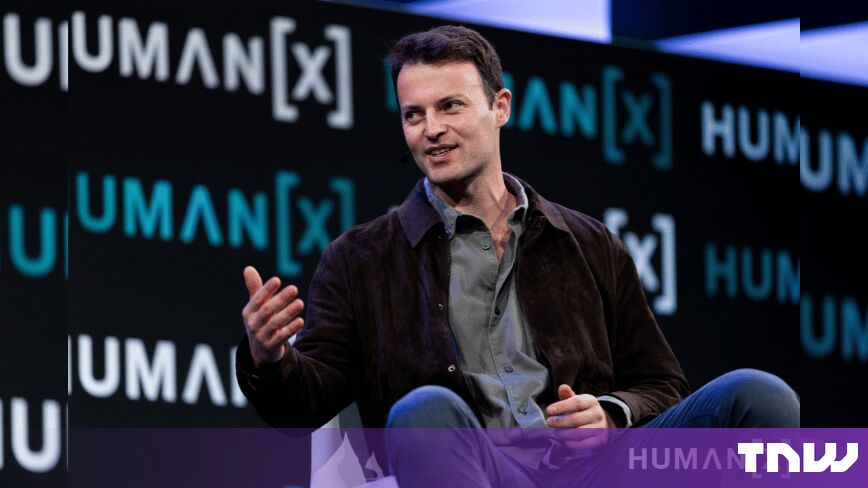
Wayve’s AI will reach Mercedes cars within two years, Kendall says
THE SO WHAT
Wayve projecting its AI into Mercedes cars within two years — while downplaying near-term humanoids — underscores that automotive OEMs are the first mainstream distribution for embodied AI. If you’re building autonomy stacks, the car is still the highest-leverage platform; if you’re betting on humanoids, calibrate timelines and revenue expectations accordingly.
READ THE SOURCE
MORE FROM THE WIRE
 Robotics & Autonomy
Morgan Stanley’s Jonas: Physical AI Could Multiply Global GDP
When a major bank’s auto analyst starts talking about physical AI as a GDP multiplier, robotics capex moves from niche to macro thesis. Operators in transportation and manufacturing should expect investor pressure to articulate a robotics roadmap, not just an AI software story.
 Robotics & Autonomy
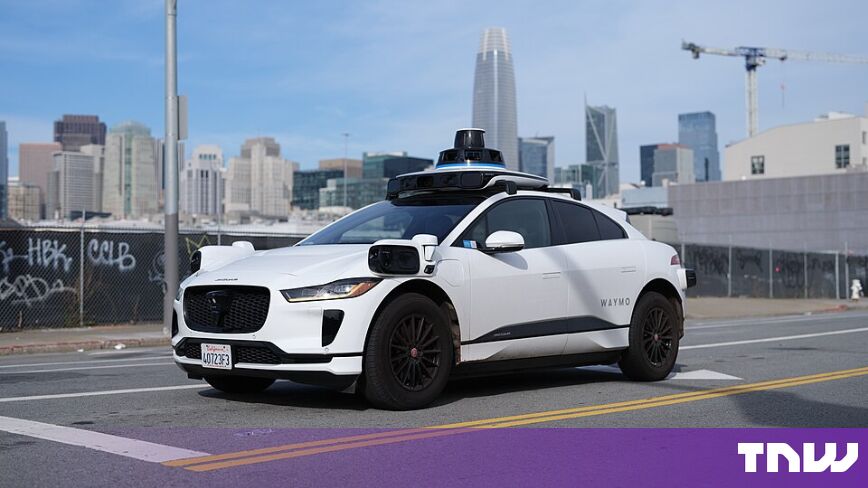
Waymo will pay riders $2.85 to also take public transport
Waymo paying $2.85 to link robotaxis with public transit is a data and behavior play—own the intermodal trip and you own the routing graph. Urban mobility operators should assume AVs will try to become the default first/last-mile layer and negotiate data-sharing on those terms, not just on fares.
 Robotics & Autonomy
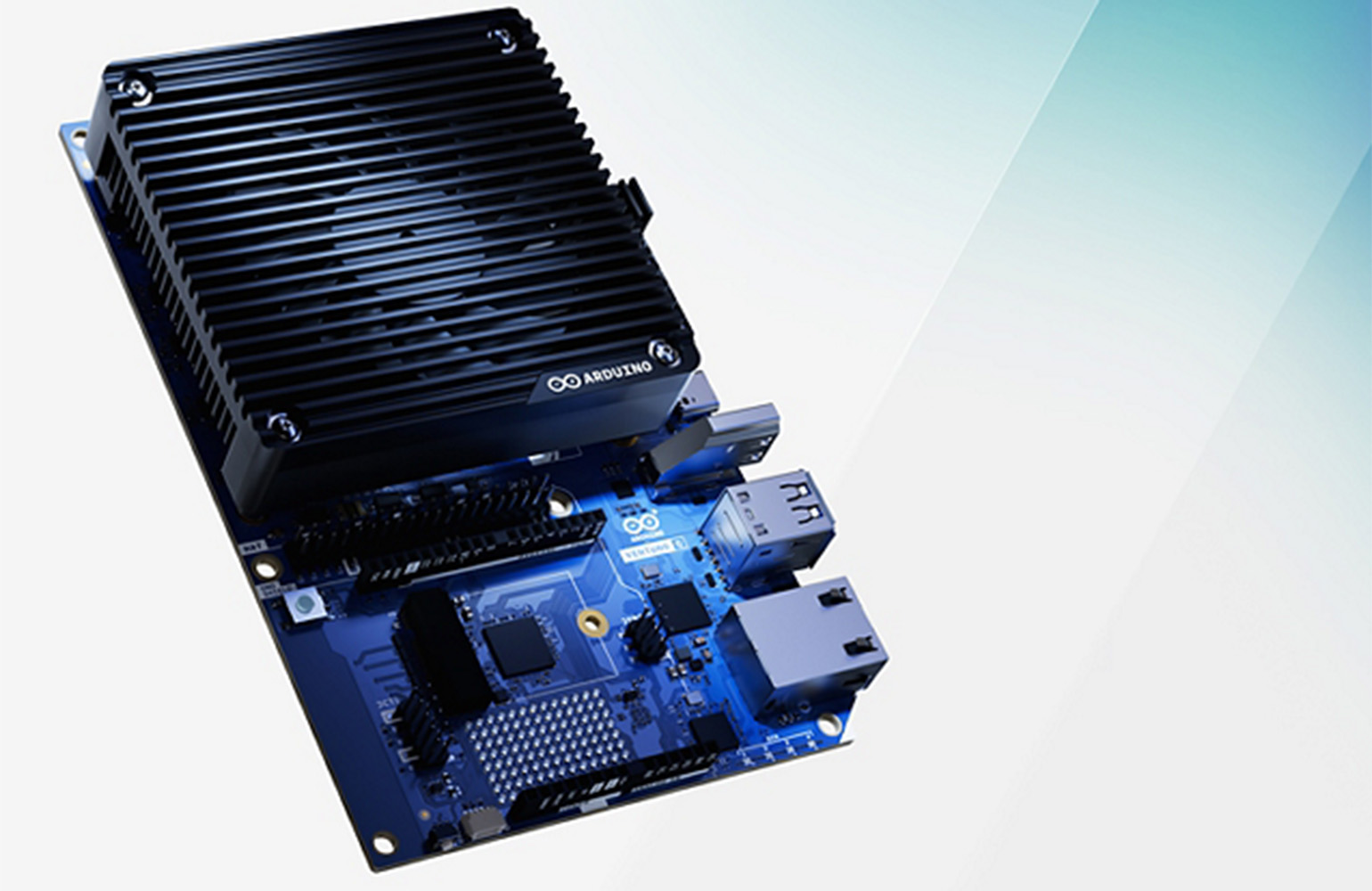
With the new VENTUNO Q board, Arduino hopes to make robotics development easier
Arduino pushing a dedicated robotics board lowers the barrier for serious hobbyists and small teams to prototype physical systems. Expect more bottom-up experimentation in warehouses, labs, and schools—if you sell into robotics, your next competitor might start on an Arduino dev bench.
 Robotics & Autonomy
Zoox grounds Atlanta test fleet after workers report toxic gas exposure symptoms
Autonomy pilots now carry old-world industrial risk—OSHA complaints and toxic exposure, not just disengagement rates. If you’re running AV or robotics tests in live environments, treat facility safety and environmental monitoring as core program metrics, not back-office compliance.