
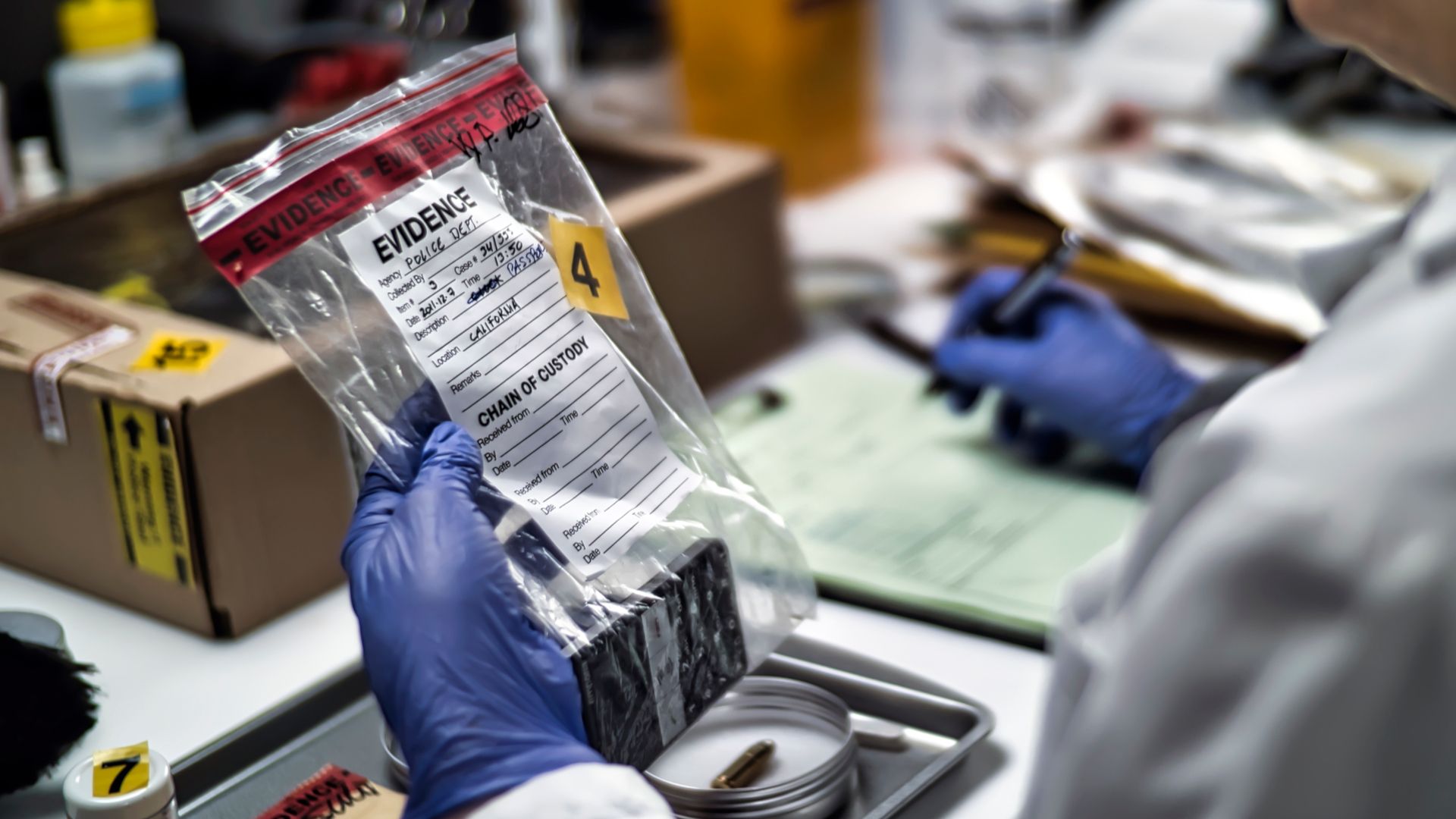
'We’ve been behind the ball for so long': Experts say DNA samples from crime-scene forensics can be modified and even switched using an AI tool
THE SO WHAT
AI-enabled tampering with digitized DNA evidence exposes how little integrity tooling exists around forensic data pipelines. Any organization relying on machine-generated or machine-processed evidence—healthcare, insurance, compliance—needs to treat data provenance and chain-of-custody as first-class security problems, not paperwork.
READ THE SOURCE
MORE FROM THE WIRE
 Deep & Emerging Tech
Wabash: Growing backlog signals freight recovery is gaining traction
A growing trailer backlog and customers committing to higher-priced replacement orders point to freight demand stabilizing into Q4. If you run logistics-heavy operations, this is a window to renegotiate contracts and refresh fleets before pricing and capacity tighten further.
 Deep & Emerging Tech
Microsoft Edge’s VPN may protect less than you think—change this setting
A browser-bundled VPN that only encrypts limited traffic is a classic example of security-by-marketing—users assume full-tunnel protection, but get partial coverage. CISOs and IT should explicitly test and document what “VPN” features in browsers and apps actually do before letting employees rely on them in hostile networks.
 Deep & Emerging Tech
SEALSQ Highlights Role of Crypto-Agility in Preparing for Future Cryptographic Threats
Vendors pushing crypto-agile hardware in response to AI-accelerated cryptanalysis and post-quantum risk are telling you one thing—your current cryptography choices are on a clock. If you handle long-lived sensitive data, start inventorying where you’ll need algorithm agility at the hardware and protocol level, not just in software libraries.
 Deep & Emerging Tech
Samsung's latest report suggests the RAM crisis is only just getting started — could we be looking at a new normal?
If Samsung is signaling RAM tightness beyond 2027, you should assume memory is a structural constraint for AI-heavy workloads, not a short-term blip. Infra and product teams need to budget for higher memory costs, prioritize memory-efficient architectures, and revisit “just add more RAM” as a default scaling strategy.