

While Neuralink drills into skulls, China’s BrainCo is betting brain tech will be something you wear
THE SO WHAT
Non-invasive neurotech like BrainCo’s headbands and caps is a bet that brain-computer interfaces will look more like wearables than surgery. For product teams, that opens near-term opportunities in training, focus, and rehab markets where regulatory and adoption friction are lower than implanted BCIs.
READ THE SOURCE
MORE FROM THE WIRE
 Deep & Emerging Tech
Big Banks Set Up Strong Earnings Week
If trading, IB, and lending come in strong while investors probe 'AI-related financing activity,' banks are quietly becoming one of the main capital allocators to the AI build-out. Infra and model companies should treat large banks as strategic financing partners—project finance, structured deals—not just as customers.
 Deep & Emerging Tech
AI has triggered the biggest gas-plant building boom in history, and a quiet fight to stop it
The AI data center boom is now directly driving the largest gas-plant construction wave ever—energy mix is becoming an AI architecture decision, not a CSR slide. Infra teams should be mapping workloads to regions and power sources this quarter, because permitting and public pushback will start to shape where and how you can scale.
 Deep & Emerging Tech
Physicists recreate black hole energy extraction in the lab
Turning a long-theoretical black hole energy extraction mechanism into a tabletop experiment opens a new design space for extreme optics and wireless power concepts. Deep-tech teams in photonics and energy transfer should watch this as a potential source of non-obvious IP and architectures over the next decade, not a near-term product.
 Deep & Emerging Tech
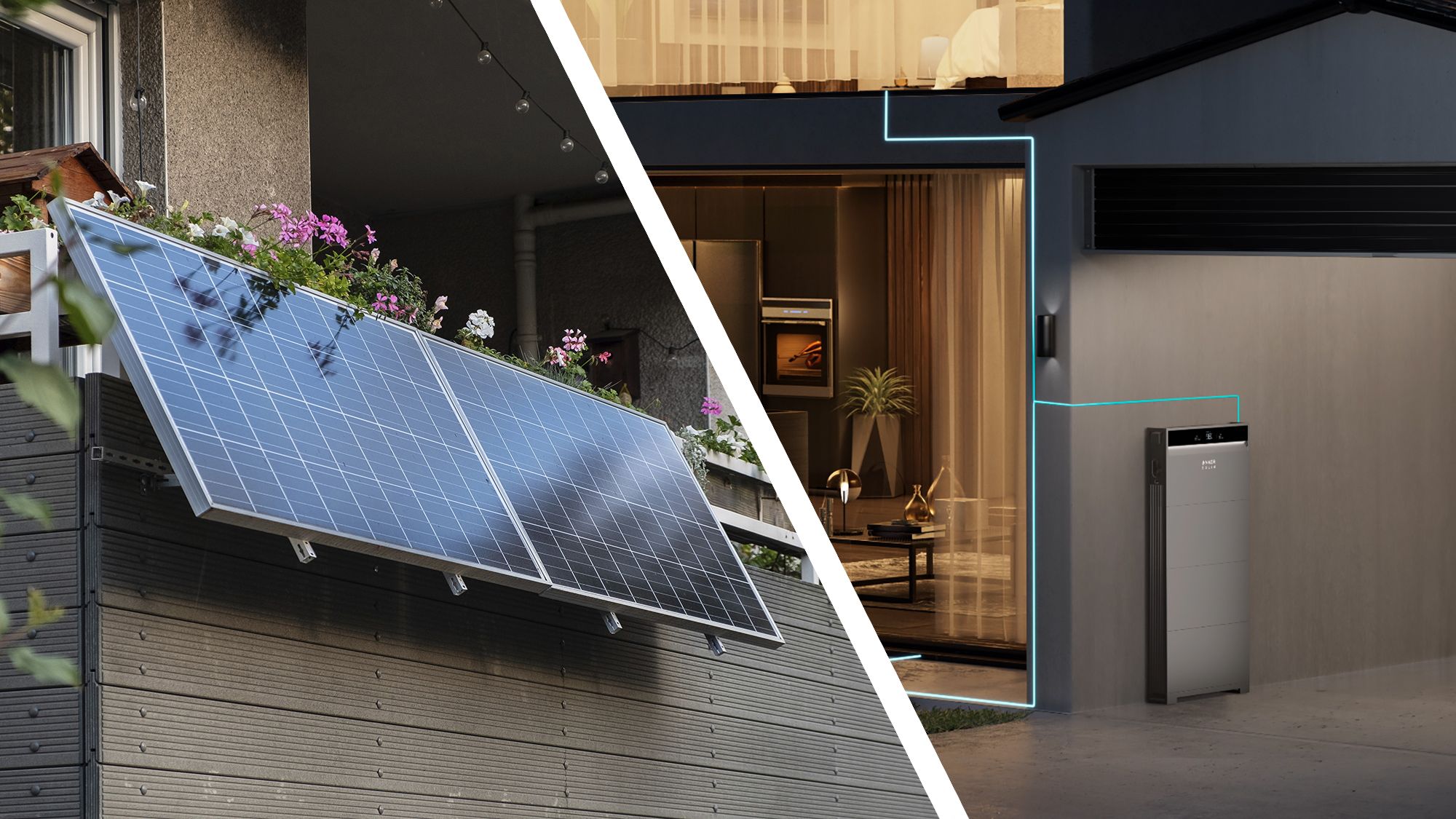
The DIY energy boom is here — 30 US states are planning to legalize plug-in solar tech, as home battery installations quietly hit a record high
Plug-in solar and record home battery installs point to a bottom-up grid transition—households are turning into micro-utilities without waiting for rooftop installs or utility programs. Energy and hardware operators should assume a more fragmented, prosumer-heavy landscape and design products that interoperate with ad hoc home setups, not just utility-scale deployments.