

Why "I approve" can become the most dangerous button in enterprise AI
THE SO WHAT
"I approve" as a rubber stamp on autonomous AI decisions collapses governance into a single point of human failure. Redesign workflows so approvals are tied to clear scopes, audit trails, and rollback paths — and assume regulators will eventually ask who clicked what, when.
READ THE SOURCE
MORE FROM THE WIRE
 Applied AI
Thomson Reuters built its own model on a Chinese open base
Spending $40M to train an in-house LLM on top of a Chinese open-source base is a bet that domain control and IP certainty matter more than chasing frontier benchmarks. If you're a data-rich incumbent, the question this week is whether your proprietary corpus justifies a similar vertical model layer rather than living entirely on general-purpose APIs.
 Applied AI
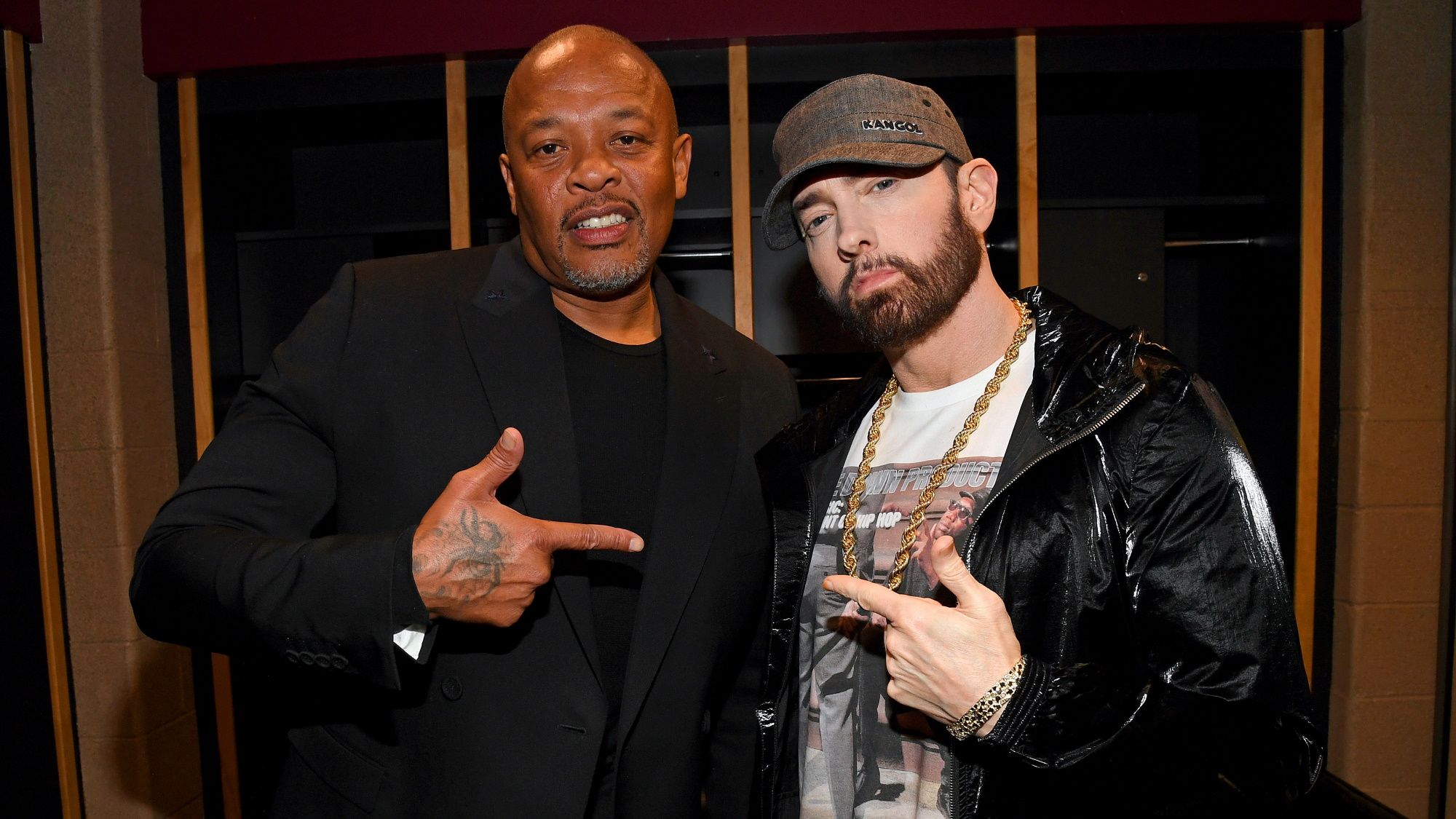
'I'm embracing it’: Dr Dre defends AI music and compares it to synths, despite most streaming services ousting slop from their libraries
When producers of Dr. Dre’s stature normalize AI in the studio while platforms try to purge "slop," the center of gravity shifts toward tool use over purity tests. Labels and platforms need clearer policies on AI-assisted versus AI-generated content or they’ll end up fighting their own talent base.
 Applied AI
Why scaling AI requires a new economic strategy
If your AI cost strategy is just smarter model routing, you’re missing the real lever—owning the full workflow economics, from data prep to verification and change management. Finance and product need a shared model for AI unit economics this quarter, or you’ll scale usage while margins quietly erode.
 Applied AI
Porsche Inks $1.5 Billion AI Deal With India’s Tata Consultancy
Porsche handing €1.25B plus its consulting unit to TCS for AI deployment is a signal that some OEMs will trade internal advisory capability for speed and scale with a single integrator. If you’re a manufacturer, you need a clear stance this year: build internal AI change muscle, or anchor with one primary services partner and accept the dependency.