

Why quantum computing may be the White Houses new AI
THE SO WHAT
If the White House starts talking about quantum the way it talks about AI, expect a policy and funding pivot toward quantum infrastructure, standards, and workforce. For operators, that means more public money and regulatory attention around cryptography, secure comms, and long-horizon R&D—worth tracking if you’re exposed to post-quantum risk or can tap federal programs.
READ THE SOURCE
MORE FROM THE WIRE
 Deep & Emerging Tech
Grid Woes Push UK Clean Power Goal Back Five Years, Report Shows
The UK missing its clean power target by five years due to grid capacity constraints is a reminder that electrons—not just chips—are the binding constraint on compute-heavy businesses. If you’re planning AI or data center expansion in Europe, grid connection risk now belongs in your core capacity planning, not as an afterthought.
 Deep & Emerging Tech
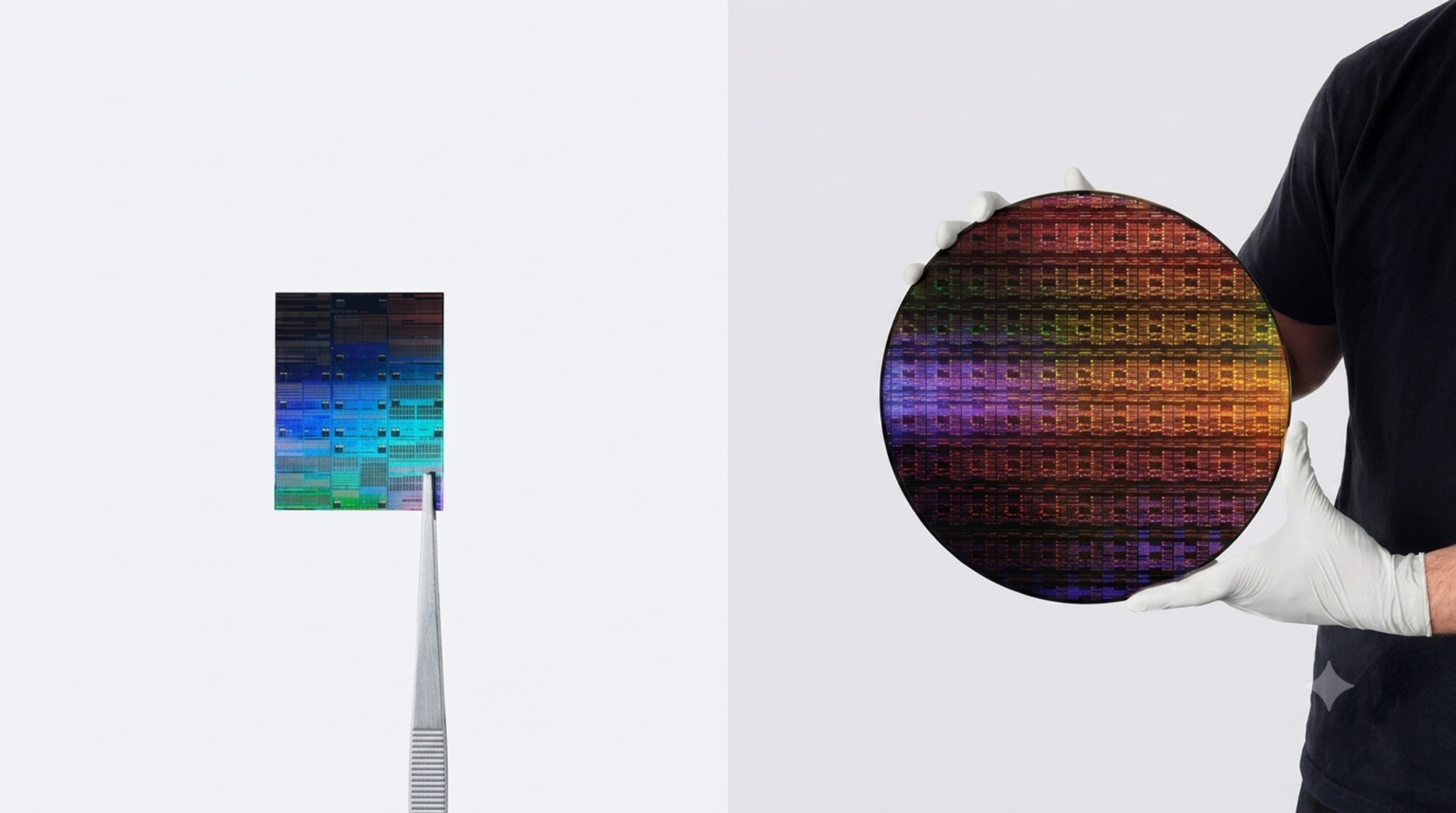
IBM unveils new record-breaking chip with 100 billion transistors in less than 1 nanometer footprint — new NanoStack design is like "a 100-storey skyscraper" packed with highly efficient processing power
IBM’s 0.7 nm NanoStack with 100 billion transistors is another data point that vertical 3D architectures will extend Moore’s Law more than simple node shrinks. If you’re planning multi-year AI or HPC roadmaps, assume power density and cooling around 3D-stacked logic become as strategic as raw FLOPs.
 Deep & Emerging Tech
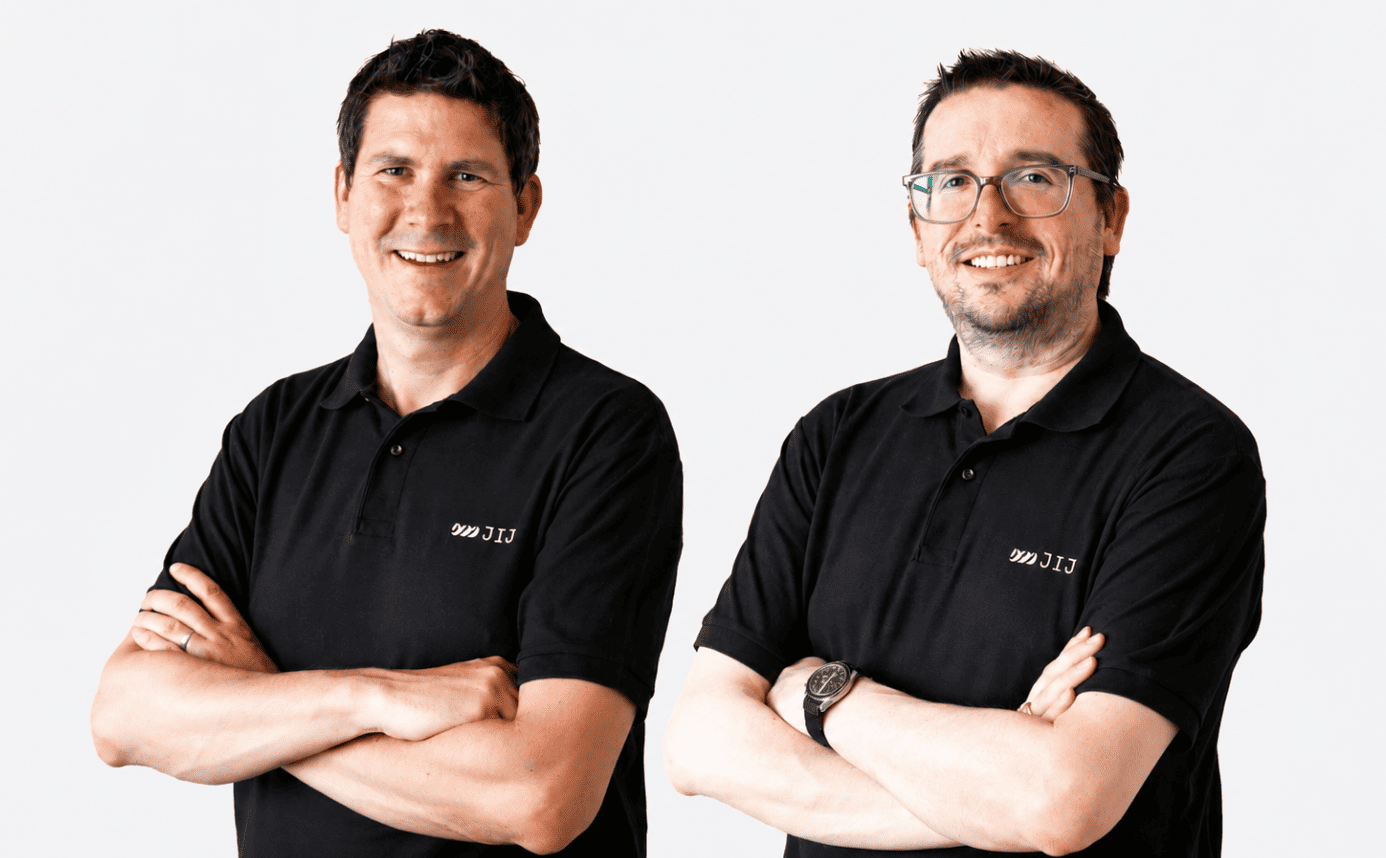
JIJ Appoints Steven Gibson to Lead U.S. Expansion
Hybrid quantum–AI optimization is moving from lab curiosity to go-to-market motion—JIJ putting a President of Americas and a dedicated solution architect on the ground is a bet that U.S. enterprises will pay for combinatorial optimization before full-scale quantum arrives. If you run complex logistics, pricing, or scheduling, it’s time to at least map where quantum-inspired solvers could plug into existing AI workflows.
 Deep & Emerging Tech
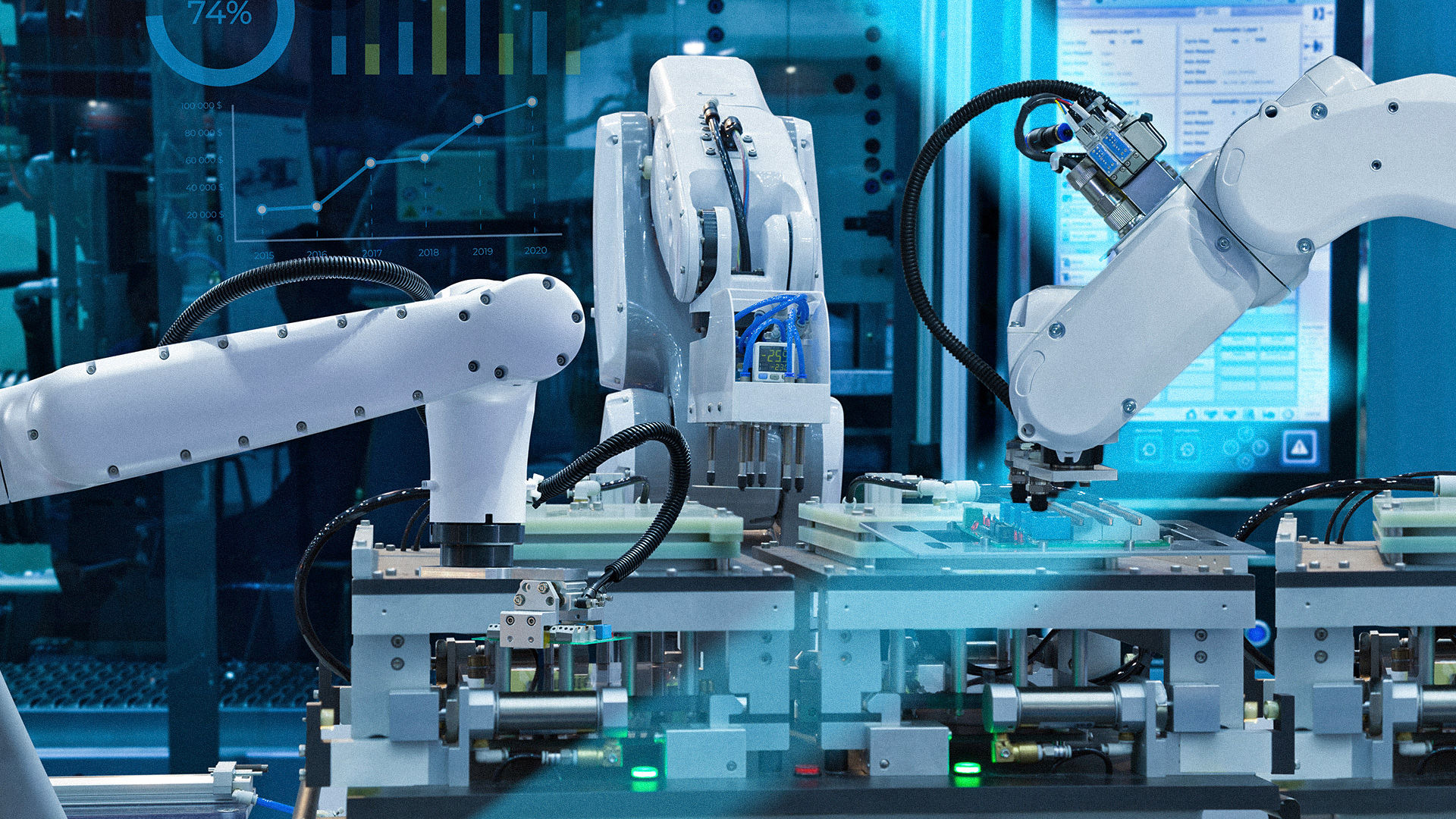
NIST Taps SRI to Establish The Quantum Manufacturing Engineering Center (QMEC)
A dedicated Quantum Manufacturing Engineering Center at SRI backed by NIST is a shift from ‘more qubits’ to ‘how do we build these at scale’—manufacturing, packaging, and reliability become the new bottlenecks. Hardware and materials teams should read this as a green light to pursue quantum-adjacent process IP and partnerships, not just algorithm work.