

Why quantum scales on compute-per-watt, not qubit count
THE SO WHAT
Reframing quantum progress around compute-per-watt instead of raw qubit count is an attempt to avoid the “GPU surprise” AI just lived through—physics and power will gate real deployments. If you’re placing early quantum bets, interrogate vendors on energy, error rates, and usable workloads, not just headline qubit numbers.
READ THE SOURCE
MORE FROM THE WIRE
 Deep & Emerging Tech
FTSE Russell Flags Energy Risks
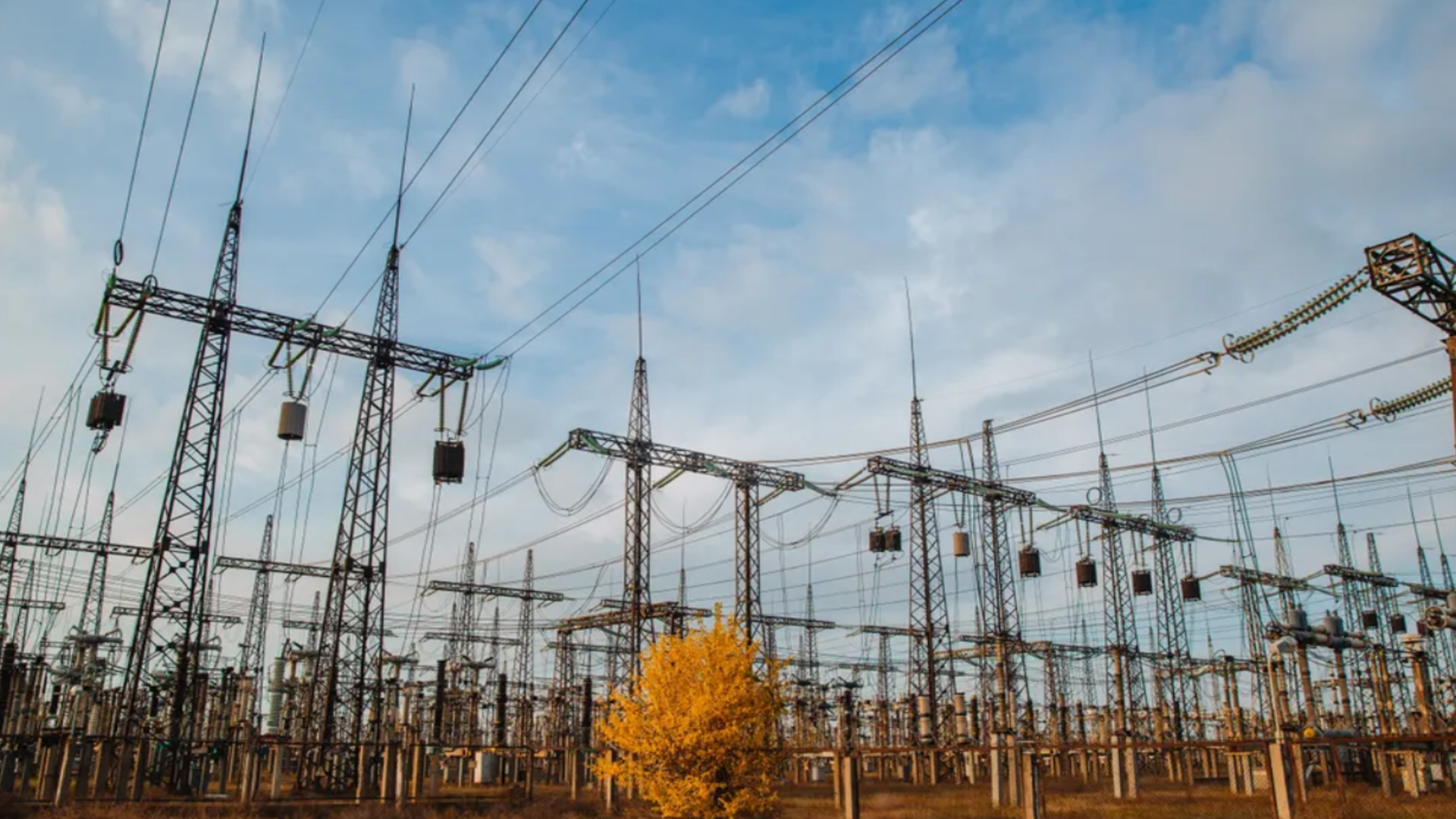
Markets are quietly repricing around energy constraints—AI-driven investment on one side, refining bottlenecks and power costs on the other. If your roadmap assumes cheap, abundant energy for compute or logistics, you need a parallel plan that tolerates higher prices and intermittent constraints on capacity.
 Deep & Emerging Tech
Bill to make AI data centers pay for power grid upgrades reaches critical milestone
If 100MW+ AI data centers are forced to fund grid upgrades, the true cost of scale shifts from opex to heavy capex and permitting friction. For AI infra buyers, that means location strategy, long-term PPAs, and regulatory relationships become as important as GPU pricing in your capacity planning.
Deep & Emerging TechFewer lab animals, better drugs: This startup wants to fix how experiments get designed
Compressing a month of preclinical study design into an hour changes the pacing item in drug discovery—from literature review to execution and data quality. If you run R&D, the question is no longer whether to use tools like ModernVivo, but how to integrate them into protocol governance so speed doesn’t erode statistical rigor.
 Deep & Emerging Tech
This Roblox Game’s Levels Are Generated by a Real Quantum Computer
Piping live quantum hardware into a Roblox game is less about gameplay and more about normalizing quantum as an accessible backend service. For developers, it’s an early hint that ‘quantum as API’ will likely enter through education and entertainment long before it shows up in your core transaction systems.