
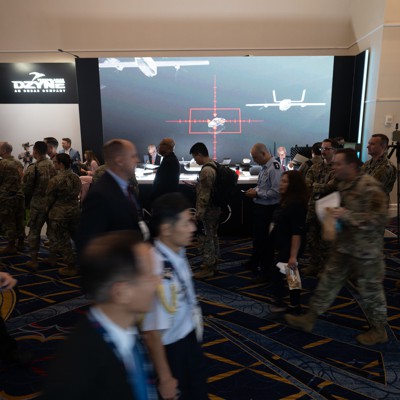
Will airmen trust AI? The Air Force’s future plans depend on it
THE SO WHAT
The constraint on military AI isn’t just model performance—it’s doctrine, permissions, and operator trust. Any organization pushing agents into high-stakes workflows needs to budget as much for training and rules-of-engagement design as for the software itself.
READ THE SOURCE
MORE FROM THE WIRE
 Applied AI
Apple’s Home AI Hub Details; Apple Fitness+ Layoffs and iPhone Duo Apple Pencil
If Apple is centralizing more intelligence into a home AI hub while trimming Fitness+, it’s reallocating attention from content services to ambient, device-level assistants. For consumer product teams, the bar is shifting from “has an app” to “is a node in a household AI mesh.”
 Applied AI
7 things to expect at Meta Connect 2026 —from camera-less smart glasses to Meta Ray-ban glasses updates
Camera-less smart glasses plus AI upgrades point to a push for assistants that live on your face without feeling like surveillance gear. If you build consumer apps, start mapping which workflows become glanceable or voice-only when the screen is no longer the primary surface.
Applied AIAI’s Wobbly House of Cards Puts Markets and US Economy at Risk
When AI lab leaders themselves are talking about systemic economic risk, regulators and insurers will eventually price AI concentration and model failure into capital costs. If your revenue or portfolio is tightly coupled to a small set of frontier models, treat that as correlated macro risk, not just vendor risk.
Applied AIAn interview with Raspberry Pi CEO Eben Upton on the Raspberry Pi Foundation, his skepticism of AI evangelists, AI driving edge compute device demand, and more
Skepticism about AI hype from a major edge vendor paired with rising demand for AI-capable boards is a tell—pragmatic, cheap inference at the edge is where real volume will land. If you’re building AI-native products, assume constrained, local hardware as the default environment, not cloud GPUs.