

Will the HomeView be Apple’s first smart home success?
THE SO WHAT
If Apple is finally shipping a named HomeView hub, expect them to treat the home as a first-class UX surface again — that pressures anyone building consumer experiences to assume an Apple-controlled orchestration layer in the living room and kitchen. If your product touches media, security, or utilities, you should be mapping how it behaves when HomeView is the default control screen.
READ THE SOURCE
MORE FROM THE WIRE
 Tech & Innovation
Microsoft isn't the only company releasing a laptop with an Nvidia RTX Spark - MSI reveals new 16-inch, 128GB beast
RTX Spark showing up in a 16-inch, 128 GB convertible at a $3,299 starting price means AI-optimized silicon is now a mainstream spec, not a halo feature. If you ship desktop software or heavy client apps, assume your users will increasingly have local AI acceleration and design features that exploit it rather than round-tripping everything to the cloud.
 Tech & Innovation
VisionQuest full release schedule: when do new episodes come out on Disney+?
Staggered drops for a tentpole Marvel series keep subscriber attention locked into weekly cycles — that’s a reminder that appointment viewing still drives engagement even in a streaming world. If you run a content or live-ops business, align feature launches and in-app events with these cultural beats rather than fighting them.
 Tech & Innovation
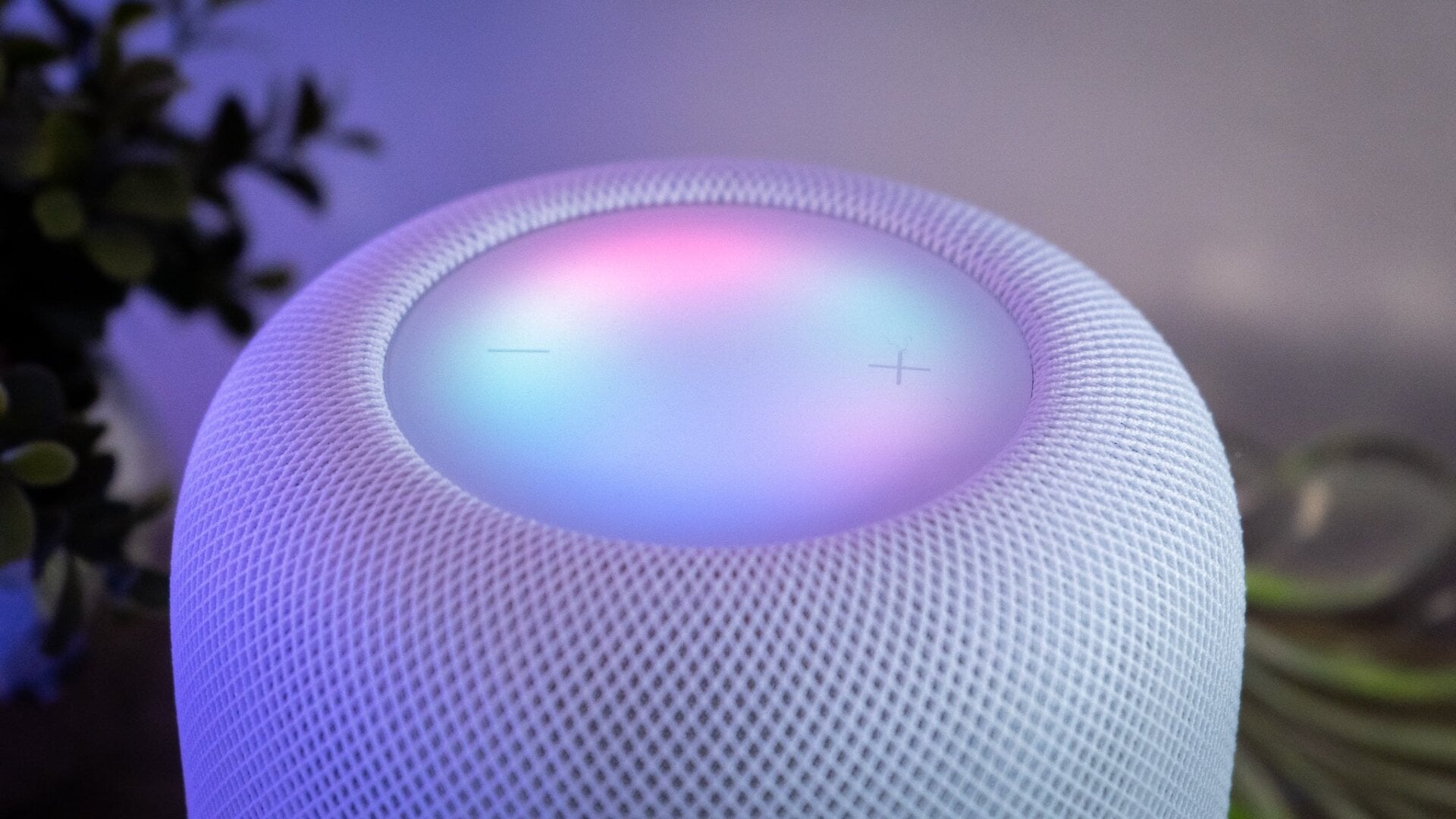
All Signs Point to Apple’s New Line of Devices Being Called ‘HomeView’
If Apple is formalizing a ‘HomeView’ line, expect the living room screen to become a first-class surface for services, commerce, and potentially on-device models — not just a smart speaker with a display. Operators building consumer apps should assume a new, high-usage Apple endpoint in the home and design for persistent, ambient experiences, not just phone-first interactions.
Tech & InnovationHow to watch Treasure Island (2026) online — stream swashbuckling drama from anywhere
The streaming UX story here is the same: rights fragmentation keeps pushing users toward VPNs, gray-area services, and aggregator apps. Media and sports operators should assume global audiences will route around geo-fencing and design monetization and windowing with that reality, not the legal fiction, in mind.