
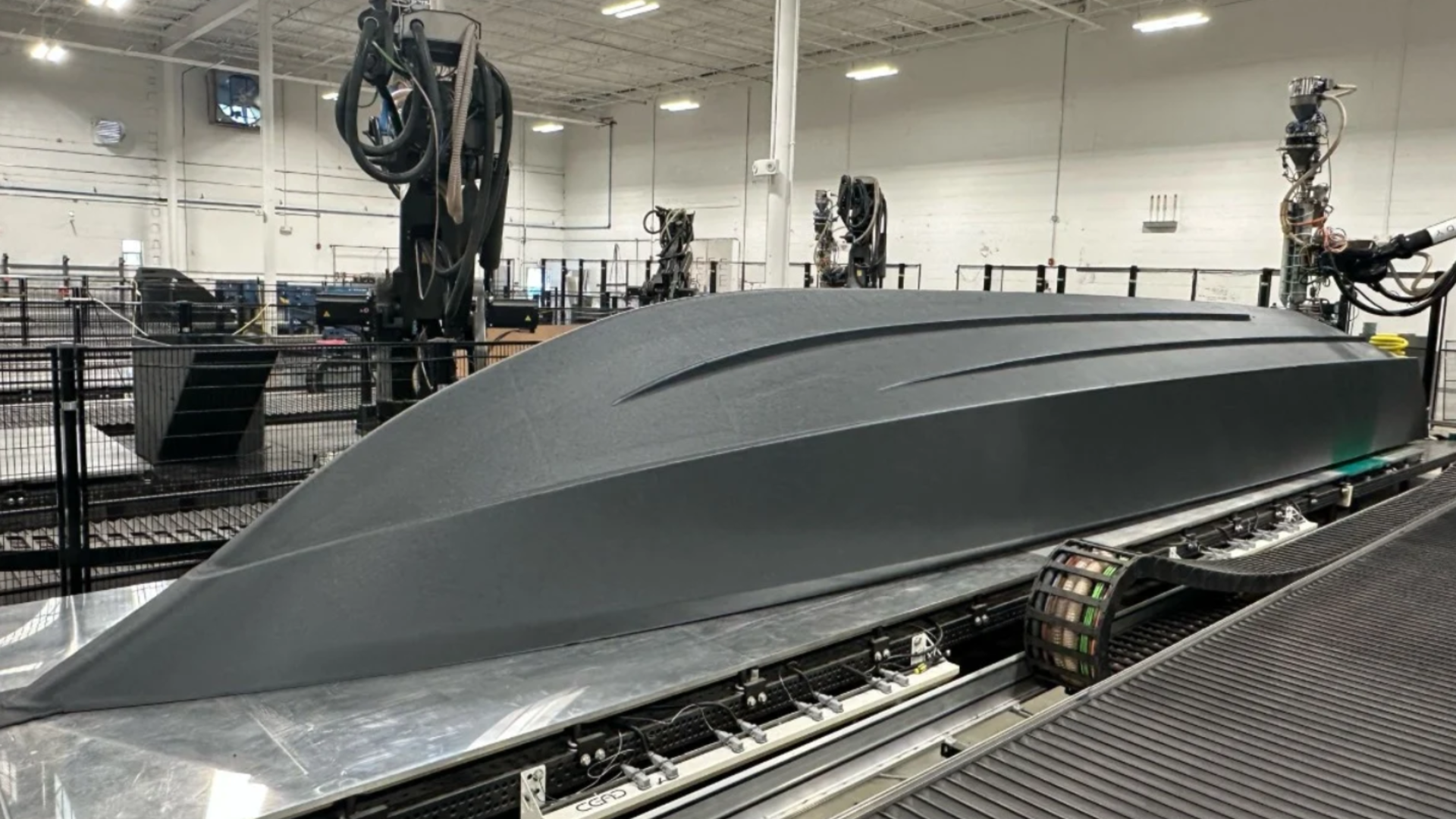
World's largest 3D printing facility builds drone boats using robotic arms
THE SO WHAT
Robotic large‑format 3D printing for military drone boats shows how quickly design‑to‑deployment cycles for unmanned systems can compress when additive and autonomy converge. Defense and maritime operators should assume shorter lead times and more iterative hardware in the field—and adjust procurement, testing, and counter‑measure timelines accordingly.
READ THE SOURCE
MORE FROM THE WIRE
 Robotics & Autonomy
It’s Official: No Man Can Outrun Our Robot Overlords
A humanoid running 12.66 m/s moves legged robots from lab curiosity toward applications where speed and agility matter — security, inspection, even some logistics. If your operations assume "humans are always faster on foot," that assumption now has an expiration date.
 Robotics & Autonomy
Five years of operation shape Diligent Robotics rollout of Moxi 2.0
Moxi 2.0 rolling out after five years of hospital deployment data is a sign that healthcare robots are leaving pilot purgatory and iterating on real workflow scars. Hospital operators should treat service robots as a medium‑term staffing and throughput lever, not a science project—start mapping which non‑clinical tasks you’d hand off first.
 Robotics & Autonomy
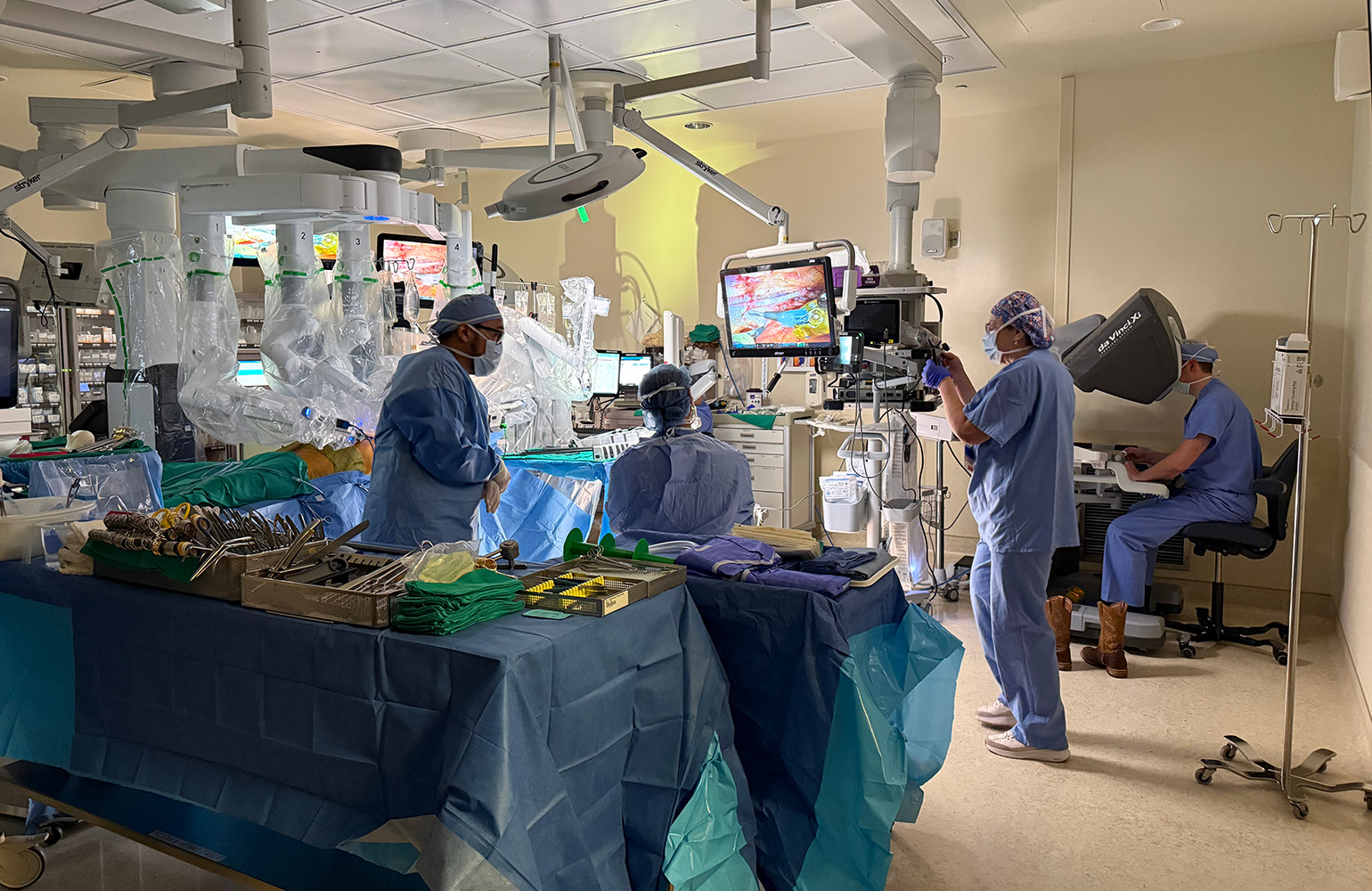
Surgeons use da Vinci surgical robot to perform common cardiac surgery
Da Vinci moving into common cardiac procedures means high‑stakes robotic surgery is normalizing, not niche—volume will drive both skill concentration and patient expectations. Hospital leaders should revisit capital plans and surgeon training pipelines now, before “robot‑assisted” becomes the default patients ask for in key specialties.
 Robotics & Autonomy
How Generalist uses human demonstration data for robot learning
Turning human teleoperation into a reusable behavior library is a path to scale robotics without hand-engineering every task. If you run repetitive physical workflows, start logging high-quality operator demonstrations now — that data becomes your future automation asset.