

You don’t need max graphics settings for great PC gaming visuals
THE SO WHAT
The same way gamers learn which settings actually matter for FPS, AI infra buyers will need to distinguish between marketing specs and the handful of parameters that move latency and cost. Treat GPU, memory, and interconnect choices like graphics sliders — optimize the few that change user experience instead of maxing everything by default.
READ THE SOURCE
MORE FROM THE WIRE
 Tech & Innovation
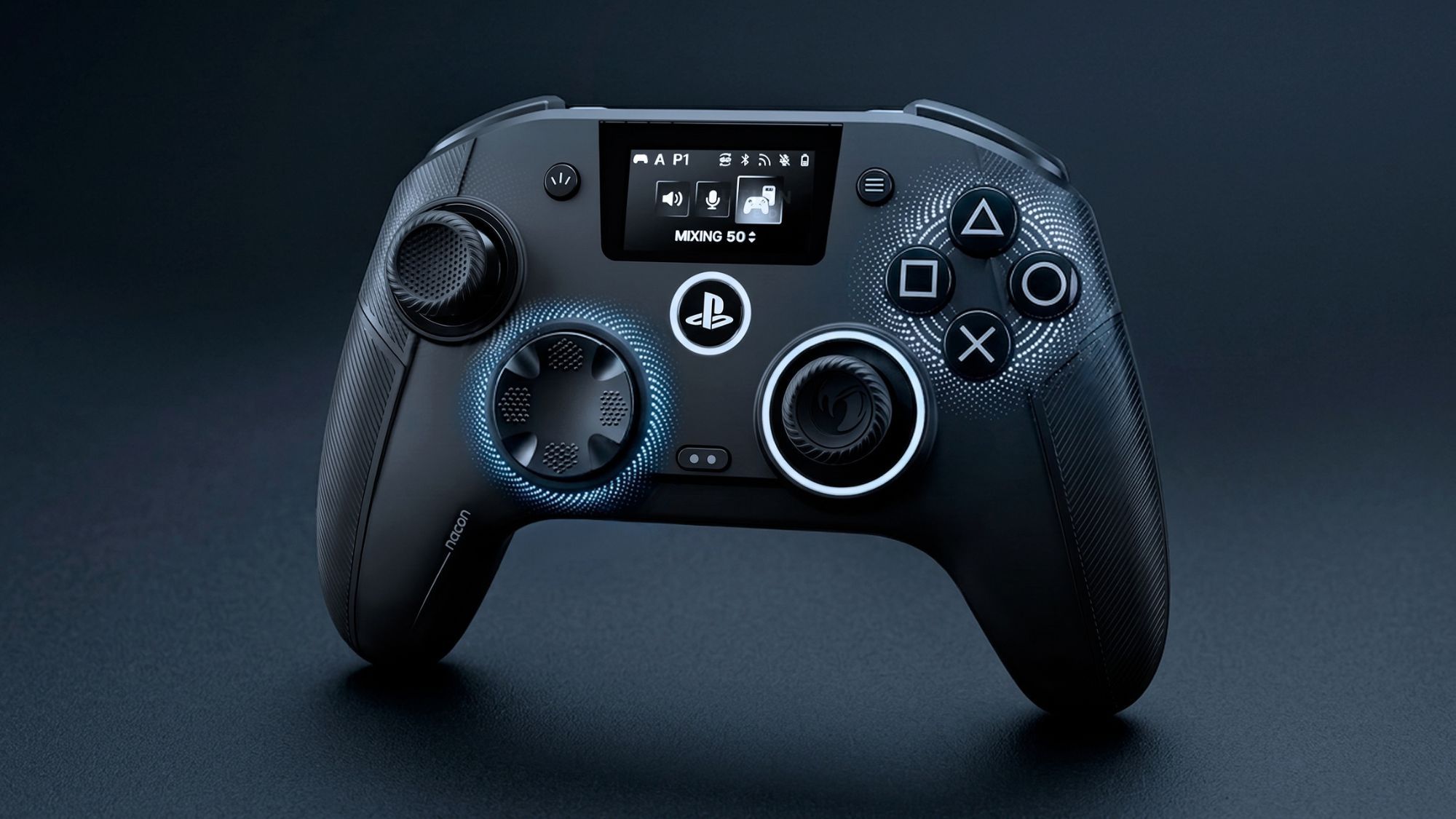
Nacon's new Revolution 5 Unlimited is the world's first officially licensed PS5 controller to offer a built-in control screen for 'instant adjustments without ever leaving the game'
Inline control surfaces on peripherals point to a broader pattern—more configuration and telemetry is moving on-device, not into pause menus or companion apps. If you build tools for power users, assume they’ll want real-time tuning without context switching.
 Tech & Innovation
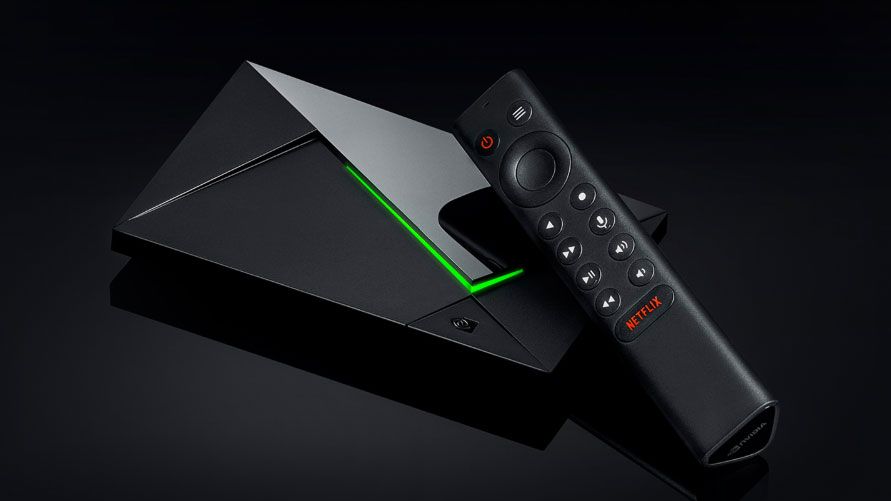
The Nvidia Shield has been discontinued at last, but the Shield Pro lives on with a 50% price hike
Killing the base Shield and hiking Shield Pro prices by 50% is another data point that consumer hardware is being repriced around AI-era component costs. If you rely on edge devices, assume refresh cycles will be more expensive and design your software to tolerate a wider mix of legacy hardware.
 Tech & Innovation
Hans Anders, one of the largest Dutch eyewear retail chains, suspends sales of Ray-Ban Meta Glasses in the Netherlands and Belgium amid growing privacy concerns
A major retailer halting Ray-Ban Meta Glasses over privacy concerns shows that distribution, not just regulation, can gate wearable AI. If you’re building camera-first products, involve retail partners and DPAs early—privacy optics now directly affect shelf space.
 Tech & Innovation
Screen-free compact camera arrives for hikers with a smart binoculars trick
A screen-free camera that mounts to binoculars is a reminder that not every device wants to be a smartphone. For outdoor and industrial use cases, consider specialized, single-purpose capture hardware instead of assuming a general-purpose AR or phone form factor.