
Your Robot’s Safety Functions Already Work. What If the Input Lies?
THE SO WHAT
The hard problem in robot safety is shifting from actuators to perception—systems can follow every rule and still act dangerously if upstream data is spoofed. If you're deploying robots, expand safety testing to include sensor and data integrity attacks, not just mechanical fail-safes.
READ THE SOURCE
MORE FROM THE WIRE
 Robotics & Autonomy
Anthbot N8 review: Leaf cleanup is where this mower stands out
A mower that differentiates on leaf collection, RTK navigation, and auto-emptying shows outdoor robots are moving from novelty to specific job performance. For hardware teams, the bar is no longer "it moves on its own"—it's "it outperforms a human on a narrow, painful task."
 Robotics & Autonomy
Atlas Robot’s New Hand May Outperform Human-Like Designs
Boston Dynamics moving Atlas from exotic three-finger research hardware toward a scalable hand is a signal that humanoids are exiting the lab and targeting tens to hundreds of thousands of units. If you run high-mix manual operations, you now have to assume humanoid-capable end-effectors will be productized on a 3–5 year horizon, not a science project timeline.
Know a rising star in robotics? We want to hear from you.
Business Insider curating “rising stars” in robotics is soft evidence that talent, not just capital, is becoming a visible competitive axis in physical automation. If you’re hiring in robotics, assume narrative and visibility now matter for recruiting almost as much as comp.
 Robotics & Autonomy
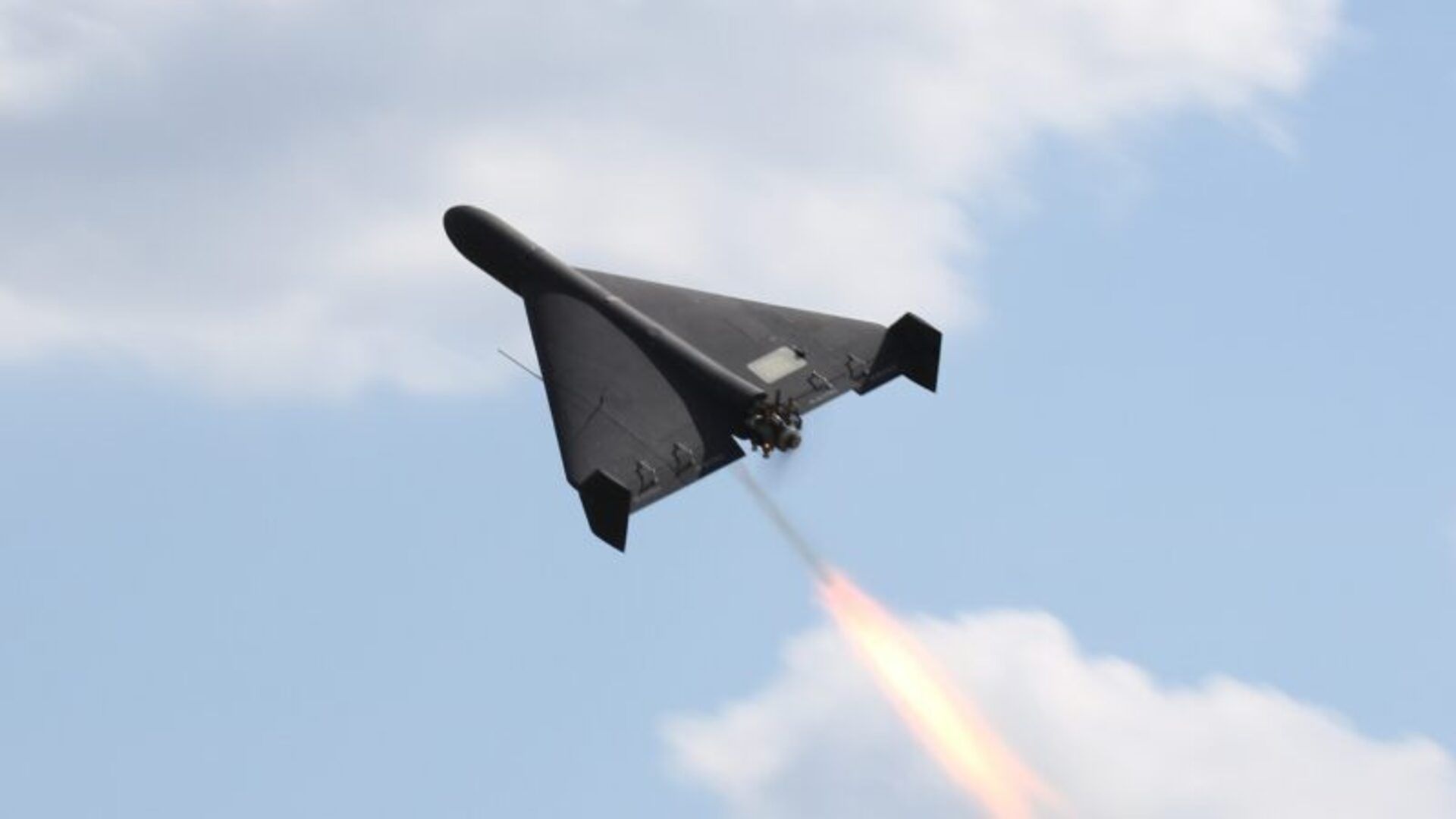
Russia cracking down on drone usage as it makes ERA-GLONASS navigation tech mandatory — GPS rival can monitor up to 1 million drones on land, water, and in the air in real time
A system that can monitor and remotely land up to 1 million drones in real time is a preview of hard national control over low-altitude airspace. Any operator betting on drones for logistics, inspection, or data collection should model what happens when a regulator can literally push a button and ground your fleet.