
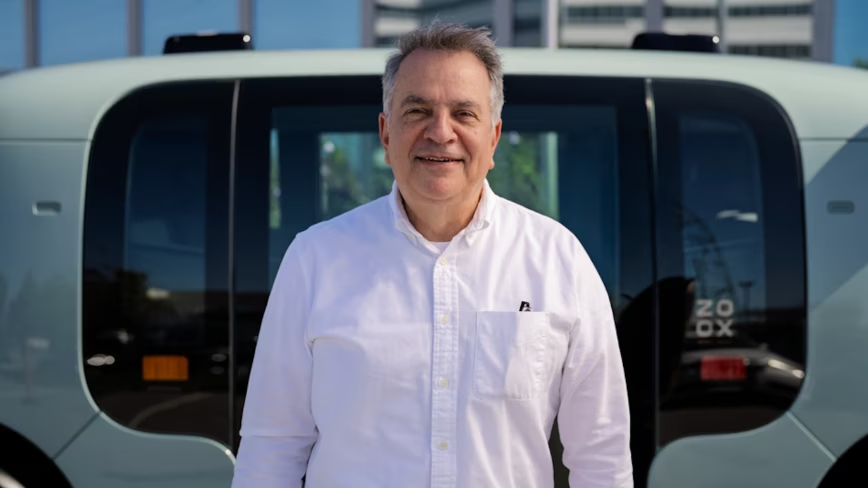
Zoox redesigns its robotaxi interior ahead of commercial launch, with NHTSA approval still pending
THE SO WHAT
Zoox iterating on a steering-wheel-free interior before NHTSA approval shows how much of AV differentiation is now UX and perceived safety, not just autonomy stack. If you’re in mobility, treat cabin design and external signaling as core product levers, not trim packages.
READ THE SOURCE
MORE FROM THE WIRE
 Robotics & Autonomy
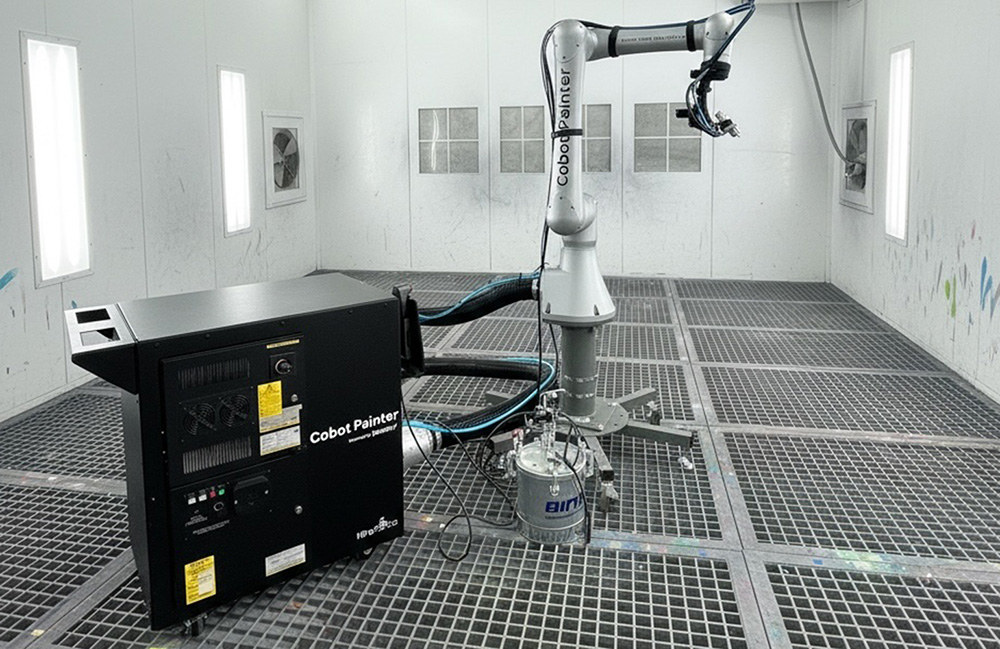
Hirebotics offers no-code, explosion-proof cobot for painting
An explosion-proof, no-code painting cobot moves robotics deeper into regulated, hazardous workflows that were historically manual and specialist-heavy. If you run industrial or manufacturing lines, painting and coating just moved higher on the list of automatable cells with fast payback and lower integration friction.
 Robotics & Autonomy
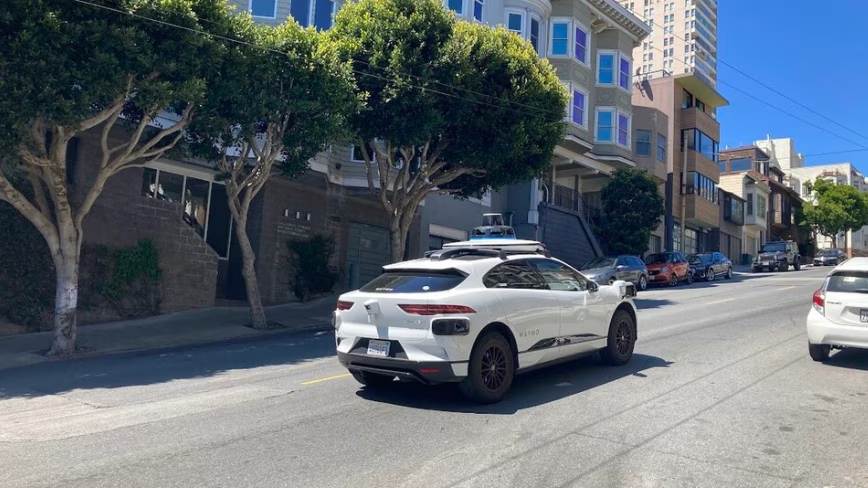
Trump DOT proposes dropping the brake pedal requirement for fully autonomous vehicles
Removing the federal brake-pedal requirement for AV-only designs would clear a major regulatory block on truly driverless vehicle form factors. AV operators should be modeling how cabin redesigns, cost reductions, and new safety obligations change their unit economics and deployment timelines if this rule lands.
 Robotics & Autonomy
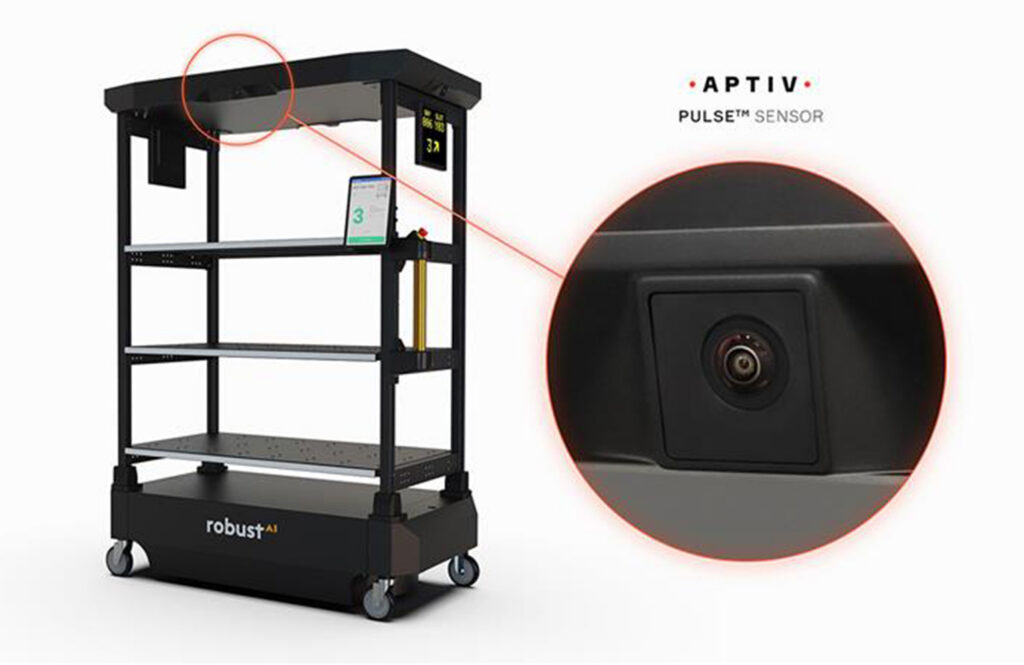
Robust.AI chooses Aptiv PULSE sensor for Gen 3 Carter mobile robot
Robust.AI standardizing on Aptiv’s radar-vision fusion for its Gen 3 Carter underscores how autonomy vendors are converging on integrated perception stacks rather than bespoke sensor mixes. If you’re deploying mobile robots in people-dense environments, vendor questions should focus on perception stack maturity and safety cases, not just base hardware.
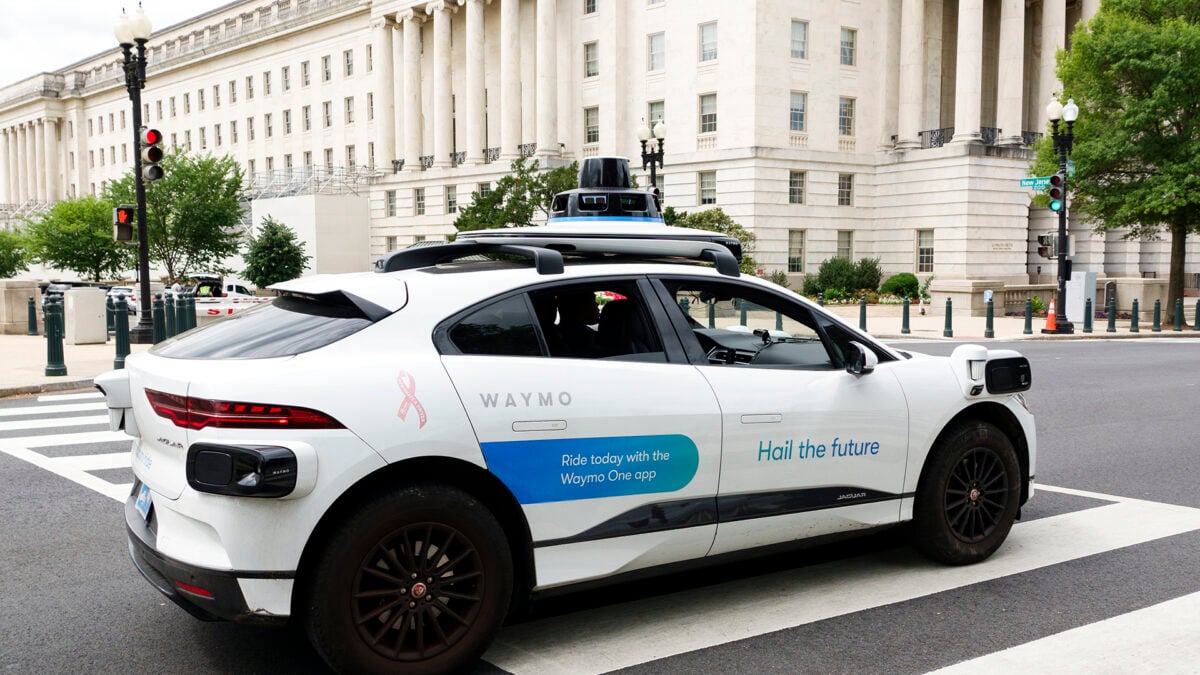 Robotics & Autonomy
Trump Admin Wants to Make Brake Pedals Optional in Autonomous Vehicles
Regulators entertaining brake-pedal-optional AVs is a signal that policy may accelerate the shift from human-first to software-first vehicle design. If you touch mobility, start planning for form factors and UX where manual controls are add-ons, not defaults.