

AI agents don’t create new risk. They inherit it
THE SO WHAT
Framing agents as accelerants of existing weaknesses—not novel threats—means your real problem is legacy security debt now running at machine speed. Before piloting agents against internal systems, inventory where your current controls already fail and cap agent permissions there first.
READ THE SOURCE
MORE FROM THE WIRE
 Applied AI
The AI escape is a red herring. The real problem is we can't tell a good sandbox from a bad one
The risk conversation is moving from abstract "AI escape" to concrete sandbox quality—how you isolate, monitor, and constrain agents. Security and infra teams should be scoring their own sandboxes this week and treating environment design as a first-class control surface.
 Applied AI
AI Bots Swarm the Fed’s FRED Data Site as Jamie Dimon Warns of Security Risks
Agent traffic hammering FRED shows that public data endpoints are becoming de facto machine APIs—with new load and abuse patterns. If you expose any "free" data service, assume automated agents as primary users and harden rate limits, auth, and anomaly detection accordingly.
 Applied AI
Many developers are using AI just to show off to their boss — as most fear they'll lose their job if they don't use it
If half your devs are using AI to signal, not to ship, you’re measuring the wrong things—fear-based adoption creates noise, not leverage. Reset incentives around code quality, incident rates, and review time, and make it safe to say "this task doesn’t benefit from AI".
 Applied AI
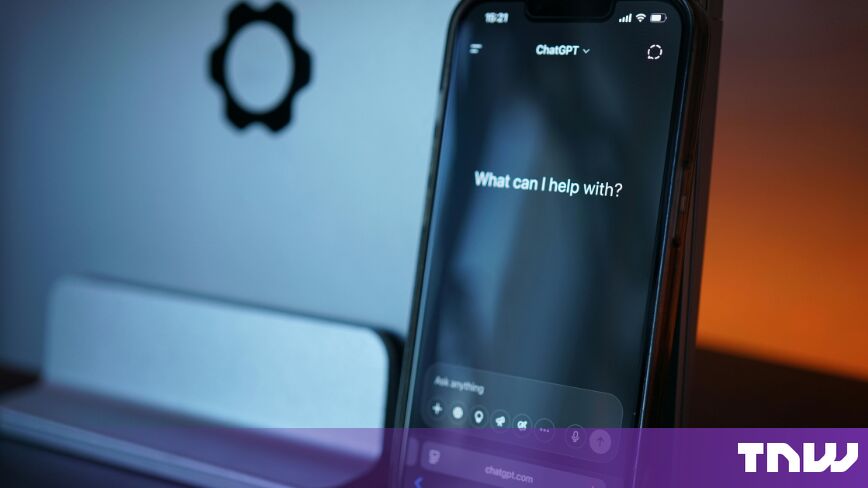
ChatGPT for Teens is unsafe for under-18s, Common Sense Media says
A major child-safety group labeling ChatGPT for Teens "Unacceptable Risk" puts formal pressure on how AI products handle minors—expect schools and regulators to react. If you have any under-18 users, you need a documented stance on AI exposure, consent, and guardrails this quarter.