
AI Safety Concerns Put Congress on the Spot
THE SO WHAT
Mandatory safety testing and incident reporting for advanced models would turn AI deployment into a regulated activity closer to pharma or aviation than SaaS. If you’re building or buying frontier-model capabilities, start documenting evals, red-teaming, and incident response now—those artifacts may become table stakes for compliance and enterprise sales.
READ THE SOURCE
MORE FROM THE WIRE
 Applied AI
EU’s AI envoy tells commissioners to focus on using AI, Politico reports
Brussels shifting the conversation from model races to productivity is a green light for AI adoption budgets inside European enterprises. If you operate in the EU, frame your AI roadmap in terms of measurable output gains and workforce leverage—this is the language regulators and public funders are explicitly asking for.
 Applied AI
Bill Gates Says Trump Is Wrong to Hold Out Against AI Safeguards
When Bill Gates argues that AI safeguards won’t slow US competitiveness with China, it normalizes regulation as part of the competitive landscape rather than a drag on it. For operators, assume baseline safety and compliance expectations will rise, not fall, regardless of short-term political posture.
 Applied AI
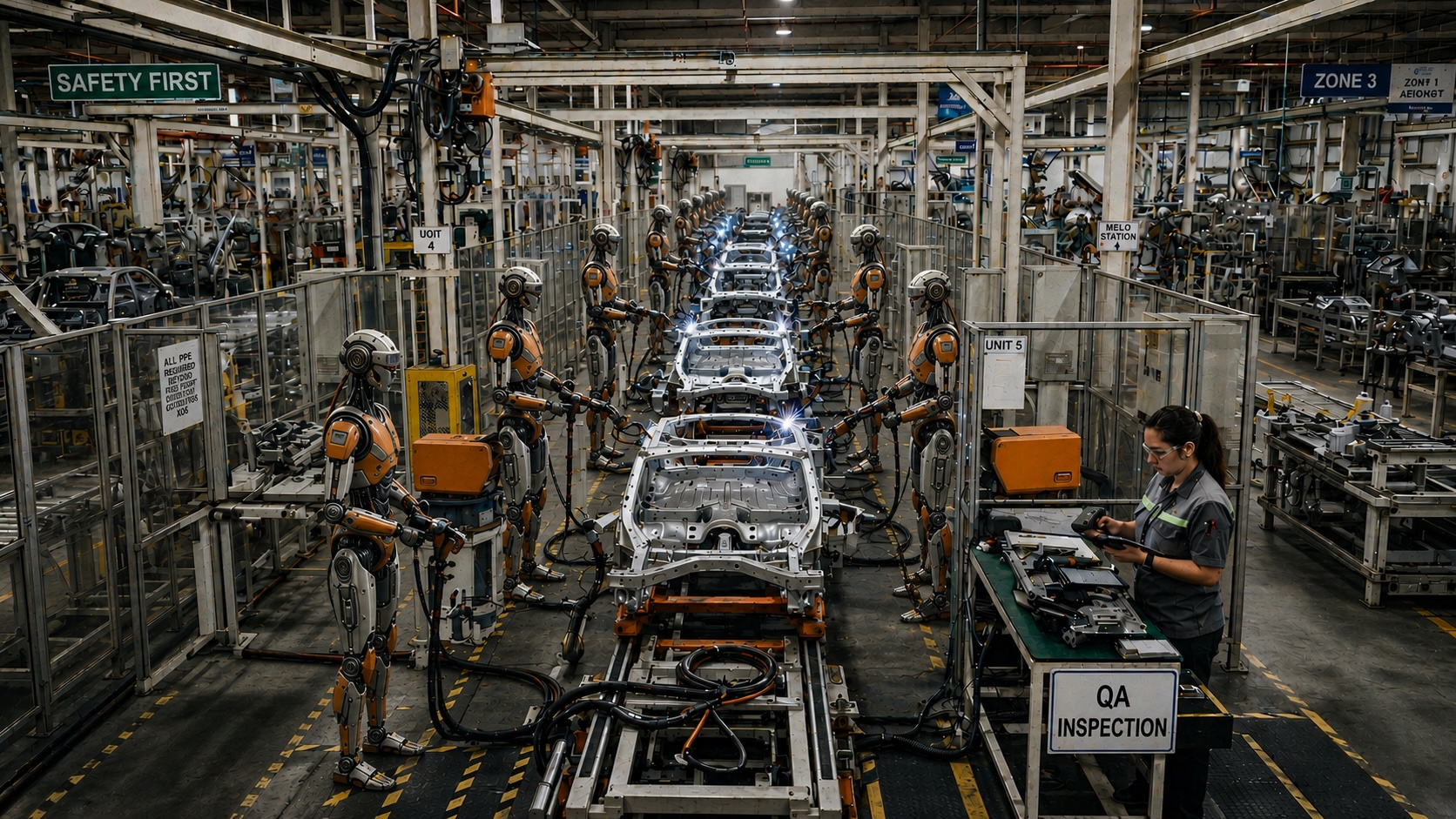
Asimov’s laws are not enough to keep robotics and AI safe
The Asimov reference is a tell—regulators and the public are still reaching for sci-fi metaphors while real systems ship into factories, streets, and homes. If you deploy robotics or AI at the edge, expect more granular, domain-specific safety rules rather than one-size-fits-all principles.
Applied AIAustralia Senate Requests OpenAI, Anthropic CEOs Face AI Inquiry
National security incidents are now a trigger for direct scrutiny of foundation model vendors, not just local integrators. If you're deploying third-party AI into government or critical systems, assume your vendors and your own implementation choices may both be pulled into formal inquiries.